


Secure Your 2025 Home Purchase: A 10-Year Expert’s Blueprint to Avoiding Problem Properties
As a seasoned veteran navigating the intricate currents of the real estate market for over a decade, I’ve witnessed firsthand the exhilaration of a perfect home purchase and the crushing disappointment of a property riddled with unforeseen issues. In the dynamic landscape of 2025, where market shifts are rapid and information is both abundant and overwhelming, the art of astute property acquisition is more critical than ever. Buying a home remains, for most, the single largest investment they will make. It’s not just about finding a house; it’s about investing in a lifestyle, a future, and a sound financial asset. However, the path to homeownership is fraught with potential pitfalls, chief among them the “problem property” – a home that harbors hidden defects, environmental risks, or regulatory complications capable of transforming your dream into a protracted, expensive nightmare. My mission today is to arm you with the expert knowledge and strategic foresight needed to identify and decisively avoid these perilous properties, ensuring your 2025 home purchase is a source of joy, not regret.
What Constitutes a Problem Property in 2025? A Modern Definition
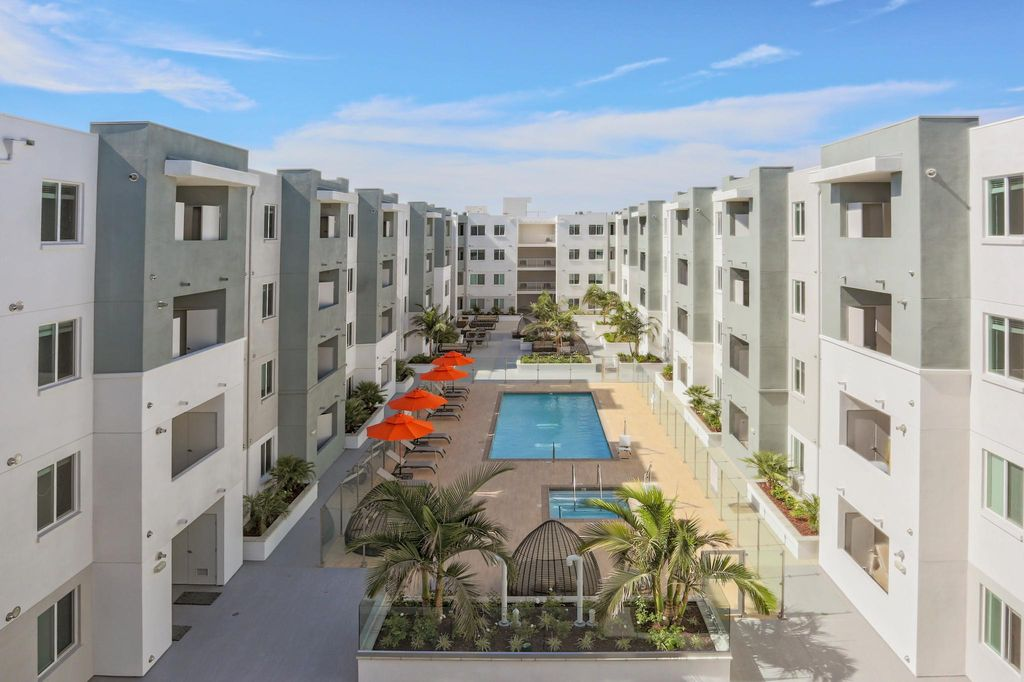
In today’s market, the definition of a “problem property” has evolved beyond the obvious cracks in the foundation or a leaky roof. While structural integrity and immediate repair needs remain paramount, 2025 buyers must also contend with a new generation of complexities. A problem property is fundamentally any home that carries significant, undisclosed, or underappreciated liabilities that could lead to substantial financial cost, legal entanglements, health risks, or a dramatic depreciation in property value post-purchase.
Let’s dissect the types of problem properties a savvy 2025 buyer must be wary of:
Structural & Foundational Compromises: This is the classic problem property. Damage to the foundation, framing, load-bearing walls, or roofing system can lead to catastrophic repair bills. Think sinking foundations, bowing walls, chronic roof leaks, or severe wood rot. These issues often stem from poor construction, long-term neglect, or natural geological shifts, and they are inherently costly home repairs.
Environmental and Health Hazards: Beyond the perennial threats of mold, asbestos, and lead paint, 2025 concerns extend to radon gas, outdated or leaking septic systems, contaminated soil (especially near former industrial sites), and water quality issues. With increasing awareness around indoor air quality and sustainable living, a property with unaddressed environmental hazards can be a significant liability and a hurdle for future resale.
Building Code Violations & Permitting Deficiencies: Unpermitted renovations, additions built without proper oversight, or existing structures that fail to meet contemporary building code compliance standards can create legal and financial headaches. In 2025, municipalities are often more stringent with enforcement, and discovering unpermitted work after closing can mean costly demolition, remediation, and fines.
Climate Change Vulnerability & Disaster Proneness: This category has surged in prominence. Homes situated in flood zone properties, high wildfire risk areas, hurricane corridors, or regions prone to significant seismic activity (earthquake zones) represent a growing problem. Insurance premiums in these areas are escalating dramatically, and obtaining coverage can become challenging. Understanding a property’s climate resilience assessment is non-negotiable.
Substandard Infrastructure & Outdated Technology: In 2025, a problem property might lack adequate internet connectivity (no fiber optic access), have an electrical system incapable of handling modern loads (e.g., EV charging stations, smart home systems), or possess an inefficient HVAC system that results in exorbitant utility bills. Future-proofing your home purchase means considering digital infrastructure and energy efficiency.
Adverse Location & Neighborhood Influences: Proximity to noisy industrial zones, active construction sites, major highways, or even properties with perpetually disruptive neighbors can significantly detract from quality of life and property value depreciation. The impact of a location on your daily living experience is a tangible liability.
Complex or Restrictive HOA & Title Issues: Overly restrictive Homeowners Association (HOA) covenants, unresolved property liens, easements that limit property use, or shared utility agreements can all be serious “problem property” indicators. Unclear title can prevent you from truly owning the property free and clear, potentially leading to real estate fraud prevention nightmares.
Your Expert Blueprint for Avoiding a Problem Property Pitfall in 2025
Armed with a comprehensive understanding of what constitutes a problem property, let’s dive into the proactive strategies that, through my years of experience, I’ve found to be indispensable for a secure 2025 home purchase. This is your essential home buying due diligence checklist.
The Indispensable Professional Home Inspection: Beyond the Surface
This is not merely a suggestion; it is the cornerstone of problem property avoidance. In 2025, a basic home inspection is just the starting point. You need a multi-faceted approach to property inspection.
Standard Comprehensive Inspection: Engage a certified, highly reputable inspector with a proven track record. They should thoroughly examine the home’s structure, foundation, roof, HVAC, electrical system, plumbing, and major appliances. Demand a detailed report with photos and actionable recommendations. Pay close attention to findings that hint at hidden home defects.
Specialized Inspections: Depending on the property’s age, location, and initial findings, consider adding:
Mold & Air Quality Testing: Especially critical in humid climates or properties with visible water damage.
Radon Testing: A silent, odorless gas prevalent in many regions.
Sewer Scope Inspection: Crucial for older homes, to detect tree root intrusion, cracks, or blockages in the main sewer line, which can lead to incredibly costly home repairs.
Chimney Inspection: If the home has a fireplace.
Pest and Termite Inspection: Essential in almost any region.
Roof Inspection Specialist: For older roofs or those with complex structures.
HVAC Specialist: To assess the remaining life and efficiency of heating and cooling systems.
Energy Audit: An increasingly popular inspection that evaluates insulation, windows, and overall energy efficiency, providing a roadmap for sustainable home buying.
Post-Inspection Protocol: Do not hesitate to ask questions. Walk through the report with your inspector. If significant issues arise, demand further investigation or get quotes for potential repairs. This allows you to negotiate repairs, credits, or even walk away from the deal if the risks are too high. Remember, the inspection is your opportunity to understand the true condition of your potential investment.
Unearthing Property History & Legal Documentation: The Paper Trail Tells All
While physical inspections reveal current conditions, the property’s paper trail exposes its past—and potential future—liabilities.
The Title Report Scrutiny: Order a comprehensive title report from a reputable title company. This document is critical. It will reveal any liens (e.g., mechanic’s liens, unpaid taxes), easements (rights-of-way for utilities or neighbors), encroachments, and any chain-of-title issues that could challenge your ownership. Any encumbrances or title insurance claims on the title are major red flags that require legal consultation.
Seller Disclosure Statements: In many states, sellers are legally obligated to disclose known defects. Read these documents with extreme care. While a “clean” disclosure is positive, it doesn’t absolve you from your own due diligence. Cross-reference disclosures with inspection findings. Be wary if a seller claims “no knowledge” of issues that are readily apparent during inspection. Understanding seller disclosure importance is key.
Permit History Review: Head to your local municipal building department. Research the property’s permit history. Did that recent kitchen renovation or deck addition have proper permits? Unpermitted work can lead to fines, forced demolition, and difficulties selling the home later, directly impacting building code compliance.
Insurance Claims History (CLUE Report): Request a CLUE (Comprehensive Loss Underwriting Exchange) report for the property. This report details insurance claims filed by previous owners for events like water damage, fire, or natural disasters. A history of multiple claims, especially water-related ones, can indicate underlying issues or make the home more expensive to insure. This is a crucial aspect of real estate investment risks.
HOA Documents: If the property is part of an HOA, scrutinize the declaration of covenants, conditions, and restrictions (CC&Rs), bylaws, and financial statements. Look for impending special assessments, low reserve funds (indicating future assessments), or rules that you cannot live with. Complex HOAs can be a problem in themselves.
Leveraging Local Intelligence & Community Insights: The Unofficial Report
Sometimes, the best information comes not from official documents, but from those who live and work around the property.
Talk to the Neighbors: This is an oldie but a goodie. Introduce yourself to potential neighbors. Casually inquire about the neighborhood, any past issues with the property you’re considering, local crime rates, or future development plans. They might reveal chronic noise problems, recurring flooding issues, or previous disputes that wouldn’t appear on any official record.
Engage Local Real Estate Agents: A good local agent, especially one with deep roots in the community, often has insider knowledge about specific areas, known problem properties, or historical issues. Their insights can be invaluable.
Scour Online Forums & Local News: Look for community groups on social media, local news archives, or neighborhood forums. These can shed light on chronic issues like traffic, proposed zoning changes, or local environmental concerns that could affect the property value depreciation.
Visit the Local Police Department: Inquire about crime statistics for the specific address or block. This can provide a clearer picture of neighborhood safety.
Beyond the Drive-By: Advanced Visual Assessment & Digital Tools
A simple drive-by is insufficient. You need a strategic, multi-faceted visual investigation.
Multiple Visits, Varied Conditions: Visit the property at different times of day (morning, afternoon, evening) and on different days of the week (weekday, weekend). How is traffic? How loud are neighbors? Is there a difference in natural light? Are there any peculiar smells or noises? Observe during and after rain to check for drainage issues or standing water.
Digital Mapping & Satellite Imagery: Utilize tools like Google Maps and Google Street View. Check historical Street View images to see how the property and neighborhood have changed over time. Look for signs of neglect, significant repairs, or changes in the surrounding environment. Online flood maps (like FEMA’s) are critical for assessing flood zone properties.
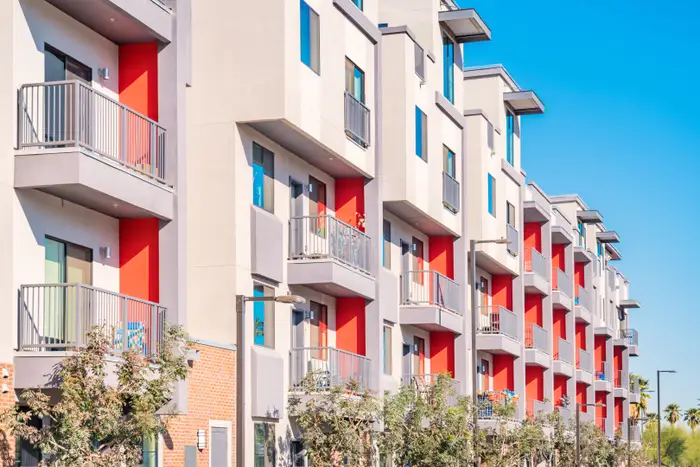
Drone Footage (if applicable): For properties with challenging access, a drone can provide invaluable aerial views of the roof, chimney, and overall property condition, spotting issues that might be missed from the ground.
Perimeter and Exterior Deep Dive: Walk every inch of the property. Check grading around the foundation, examine trees for signs of disease or root intrusion, and assess the condition of fences, retaining walls, and outbuildings. Look for patched areas on the roof, recent painting that might hide damage, or overflowing gutters.
Financial & Regulatory Foresight: Beyond the Purchase Price
The purchase price is only one part of the financial equation. True cost ownership includes ongoing expenses and potential future outlays.
Insurance Premiums: Get detailed insurance quotes before you commit. High flood insurance implications, hurricane, or wildfire insurance premiums can significantly impact your monthly budget. Some properties, due to past claims or location, may even be difficult to insure. This is a significant aspect of property risk assessment.
Property Taxes: Understand the current and projected property tax rates. Tax assessments can change, especially after a sale or reassessment, leading to unexpected increases.
Utility Costs & Energy Efficiency: Ask for past utility bills to gauge average costs. Factor in the age and efficiency of HVAC systems, windows, and insulation. An older, inefficient home can be an ongoing drain on your finances, emphasizing the importance of sustainable property investment.
Zoning and Future Development: Consult local planning departments about current zoning laws and any proposed future development in the area. A beautiful view could be obstructed by a new high-rise, or a quiet street could become a major thoroughfare.
Future-Proofing for 2025 and Beyond: Consider the long-term viability. Is the home ready for smart home integration? Does it have the electrical capacity for an EV charger? Is it adaptable to changing family needs? These are modern considerations that affect both liveability and resale value.
The Red Flag Radar: A Quick Checklist for Immediate Problem Property Identification
During your initial visits, keep an eye out for these immediate warning signs that scream “problem property”:
Fresh Paint/Cosmetic Fixes: Be suspicious of recent, extensive cosmetic changes that seem to mask deeper issues.
Strong Odors: Persistent musty, smoky, or chemical smells can indicate mold, smoke damage, or pest infestations.
Visible Water Stains: On ceilings, walls, or in the basement/crawl space.
Uneven Floors/Sloping Surfaces: A major indicator of structural damage.
Cracks: Large cracks in the foundation, exterior walls, or interior plaster/drywall.
Poor Drainage: Standing water around the foundation, or gutters overflowing.
Overgrown Landscaping: Often hides foundation issues, poor drainage, or structural flaws.
Unusual Disclosures: Any ambiguous or vague statements in the seller’s disclosures.
Lack of Accessibility for Inspection: If areas are intentionally blocked or hard to access for the inspector, be wary.
Empowering Your Purchase: The Expert Mindset
My decade in this industry has taught me that the most successful buyers share a common mindset: patience, pragmatism, and a professional team. Don’t rush into a decision, especially in a competitive market. Be prepared to walk away if the risks outweigh the rewards. Assemble a trusted team: a sharp real estate agent, a meticulous home inspector, and an experienced real estate attorney. Their collective expertise is your most powerful shield against the perils of a problem property. Your goal is not just to buy a house, but to acquire a solid asset that enhances your life for years to come.
Your Next Step Towards a Flawless Home Purchase
Navigating the complexities of the 2025 real estate market requires an informed, strategic approach. Avoiding a problem property isn’t about luck; it’s about diligent research, expert guidance, and proactive decision-making. Don’t let your dream home turn into an unexpected financial burden. If you’re ready to secure your investment and ensure your next home purchase is made with confidence and clarity, reach out to a trusted real estate professional today. Let’s work together to make your 2025 homeownership journey a resounding success.