


Navigating Property Metrics: Your 2025 Expert Guide to Understanding Home Square Footage, Gross Areas, and Shared Space Valuation
The American dream of homeownership, whether a starter condo in a bustling city, a suburban family home, or a sprawling rural estate, hinges on countless critical decisions. Among the most perplexing for many buyers and sellers in the dynamic 2025 real estate landscape is the precise understanding of property measurements. Beyond the simple “square footage” advertised, lies a nuanced world of definitions – from usable living space to gross building area and the often-misunderstood common elements in shared communities. As a veteran navigating these waters for over a decade, I’ve seen firsthand how clarity on these terms can make or break a deal, impacting everything from your mortgage to your property taxes and future equity.

In an era demanding unparalleled transparency and informed choices, particularly with evolving market conditions, soaring construction costs, and a renewed focus on functionality and sustainability, grasping these foundational concepts is more vital than ever. This comprehensive guide will dissect the various ways residential property size is measured in the USA, equipping you with the expertise to confidently interpret listings, scrutinize appraisals, and secure the true value of your investment. We’ll delve into the practical implications for 2025, from fluctuating interest rates to the influence of smart home integration and sustainable features on property valuation.
Unpacking Core Property Measurement Terminology in the USA
Unlike some international markets that employ highly specific, often legally mandated terms like “Carpet Area” or “Super Built-Up Area,” the United States market uses a set of definitions primarily driven by appraisal standards, Multiple Listing Service (MLS) protocols, and local tax assessor guidelines. While variations exist between states and even counties, the underlying principles are designed to convey value and usability.
Usable Living Space (Finished Square Footage / Gross Living Area – GLA)
This is arguably the most critical number for any homeowner or prospective buyer: the actual heated, finished, and habitable space within a property. When you envision placing furniture, entertaining guests, or simply going about your daily life, you’re thinking about the usable living space.
Key Characteristics and Inclusions:
Heated and Finished: This space must be climate-controlled (heated, and often cooled) and have permanent, finished walls, ceilings, and flooring.
Above Grade: Typically, GLA refers to space that is above ground level. Walk-out basements that are fully finished, heated, and accessible might be included in some calculations, but often with specific caveats.
Directly Accessible: It must be directly accessible from other finished living areas via an interior doorway or staircase.
Exclusions: This measurement explicitly excludes garages (attached or detached), unfinished basements, unheated porches or sunrooms, attics (unless fully finished and compliant with building codes for living space), exterior walls, and any common walls shared with another unit (though the interior surface of the private walls would be included).
Practicality: This is the metric most buyers intuitively understand and often use for direct comparison between properties. It’s a strong indicator of a home’s functional capacity.
2025 Relevance: With the ongoing remote work paradigm and a heightened demand for dedicated home offices or adaptable multi-purpose rooms, the efficiency and effective utilization of every square foot of usable living space have become paramount. Buyers are increasingly valuing intelligent layouts over sheer volume, making this metric even more significant for determining a home’s appeal and resale value.
Gross Building Area (GBA) / Total Under Roof
The Gross Building Area is a broader measurement that encompasses all enclosed areas under the roof of a structure, regardless of whether they are finished, heated, or immediately habitable. Think of it as the total footprint of the building itself, excluding only truly external features like open patios or decks.
Key Characteristics and Inclusions:
Encompasses GLA: GBA will always be equal to or greater than the Usable Living Space (GLA).
Includes Non-Living Areas: This metric often includes garages (attached or detached), unfinished basements, utility rooms, storage spaces, and even exterior wall thickness.
Condominiums/Multi-Family: In some multi-family contexts, particularly for commercial appraisals or larger investment properties, GBA might refer to the entire structure, including common corridors and mechanical rooms, but this is less common for single-unit residential definitions. For individual condo units, it might encompass the space from the exterior surface of the unit’s walls, including the thickness of interior walls.
Appraisal and Assessment Use: GBA is frequently used by appraisers, architects, and particularly by tax assessors to determine property value for taxation purposes. It provides a comprehensive structural volume.
2025 Relevance: As construction costs continue their upward trajectory into 2025, the GBA becomes a crucial benchmark for valuing new builds or major renovations. Understanding the cost per square foot based on GBA allows investors and developers to more accurately project construction budgets and potential returns. It’s also vital for insurance purposes, as rebuilding costs often factor in the total enclosed structure.
Standardization and Disclosure Practices (The US Equivalent of “RERA-like” Transparency)
While the U.S. doesn’t have a single national “RERA-like” regulatory authority dictating exact measurement methodologies for all real estate transactions, the principle of standardization and transparency is upheld through various professional standards, state laws, and industry practices. This ensures that what is advertised is as accurate and comparable as possible.
Key Pillars of Standardization and Disclosure:
ANSI Z765 Standards: The American National Standards Institute (ANSI) provides a widely accepted standard (ANSI Z765-2021) for measuring residential square footage. While not legally mandated everywhere, it is the gold standard for professional appraisers and is often adopted by MLS systems. It precisely defines what constitutes “finished square footage” and how to measure it (e.g., from the exterior of walls, excluding garages).
Appraisal Guidelines (Fannie Mae/Freddie Mac): For mortgage lending, government-sponsored enterprises like Fannie Mae and Freddie Mac have strict guidelines that appraisers must follow, including specific requirements for calculating Gross Living Area. These guidelines heavily influence how properties are valued for loan purposes, emphasizing consistency.
State & Local Regulations: Individual states and municipalities may have specific disclosure requirements regarding property measurements, ensuring sellers and their agents provide accurate information. Misrepresenting square footage can lead to legal repercussions.
Multiple Listing Service (MLS) Rules: Real estate agents typically list properties on an MLS, which has its own rules and data fields for reporting square footage. While sources vary (tax records, previous appraisals, builder plans), the MLS aims to provide reliable data for comparison.
The Role of the Professional Appraiser: A licensed real estate appraiser is a critical third party whose job is to provide an objective valuation, including an independent measurement of the property’s square footage according to established professional standards. This acts as a crucial check and balance.
2025 Relevance: In a market characterized by rapid shifts and increasing scrutiny, accurate and standardized measurements are paramount for fair market valuation. The push for digital transparency means buyers are more empowered than ever to cross-reference data. Leveraging AI and geospatial technology, advanced MLS platforms are increasingly able to flag discrepancies or offer more precise estimates, reinforcing the need for agents and sellers to adhere to these standards. Moreover, lenders are becoming more conservative, placing an even greater emphasis on precise appraisal data to mitigate risk.
Common Elements and Shared Amenities (The “Super Built-Up” Concept in the US Context)
The concept of “Super Built-Up Area,” which combines a private unit’s space with a proportionate share of the building’s common areas, doesn’t directly translate to a single square footage figure used for pricing individual units in the US. Instead, the value and cost of common elements are handled distinctly through the framework of condominiums, homeowner associations (HOAs), and shared amenities.
Key Aspects of Common Elements and Shared Amenities in the USA:
Condominium Ownership: In a condo, you own the interior of your specific unit (often “from the paint in” or “airspace”) and an undivided interest in the common elements of the building and property. These common elements include lobbies, hallways, elevators, roofs, exterior walls, foundations, mechanical systems, and shared amenities like pools, gyms, clubhouses, and green spaces.
Homeowner Associations (HOAs): In planned communities, single-family homes often belong to an HOA. While you own your land and home outright, the HOA owns and maintains shared amenities (parks, pools, private roads) and often the exterior of townhomes or certain shared infrastructure.
Percentage Ownership: In condominiums, your “percentage ownership interest” in the common elements is typically defined in the master deed or declaration. This percentage determines your share of HOA dues, special assessments, and voting rights. It’s not a square footage calculation but a fractional ownership stake.
Contribution to Property Value: While you don’t directly “buy” square footage of the gym, these shared amenities significantly contribute to the overall desirability and market value of your unit or home. A luxurious lobby, well-maintained pool, or state-of-the-art fitness center are powerful selling points.
HOA Dues/Assessments: The cost of maintaining these common elements is covered by monthly or annual HOA dues. These fees can be substantial and cover everything from landscaping and common area utilities to insurance for the building’s exterior and reserve funds for future major repairs.
2025 Relevance: The appeal of communities with robust amenities remains strong, especially as hybrid work models make access to onsite fitness centers, co-working spaces, and outdoor recreation more desirable. However, the scrutiny on HOA fees is intensifying. Buyers are more aware of “hidden costs” and are demanding greater transparency regarding how dues are calculated, what they cover, and the health of reserve funds. The financial stability of an HOA and its ability to maintain high-quality common elements without frequent special assessments is a critical due diligence point for 2025 buyers, directly impacting the long-term investment value of a property.
A Comparative Look at US Property Measurements
| Measurement Term | Definition | Key Inclusions | Key Exclusions | Primary Use/Relevance |
| :————————- | :————————————————————————————————————– | :——————————————————————————————————— | :————————————————————————————————————- | :———————————————————————————————————————————————————————————— |
| Usable Living Space | Heated, finished, and habitable interior space within a unit/home. Often referred to as Gross Living Area (GLA). | Living rooms, bedrooms, kitchens, bathrooms, finished basements (with caveats), internal walls (from surface to surface). | Garages, unfinished basements/attics, exterior walls, unheated porches/sunrooms, common areas (if applicable). | Most important for buyers (actual living space), primary basis for market comparisons, appraisal valuation for mortgage lending (per Fannie Mae/Freddie Mac). |
| Gross Building Area (GBA) | Total enclosed area under the roof of a structure, regardless of finish or heating. | Usable Living Space, garages, unfinished basements/attics, utility rooms, exterior wall thickness. | Open patios, decks, truly external features. | Architectural planning, construction cost estimation, property tax assessment, insurance valuation. Provides a comprehensive volume of the structure. |
| Common Elements / Shared Amenities | Shared facilities and infrastructure in condominiums or HOA communities, jointly owned or managed. | Lobbies, hallways, elevators, pools, gyms, roofs, exterior walls, landscaping, shared parking. | Private unit interior space. | Contributes to overall property value and lifestyle, dictates HOA dues and assessments, defines percentage ownership in condos. Not a direct square footage measurement for private units. |
Decoding the Impact on Real Estate Transactions
Understanding these distinctions isn’t merely an academic exercise; it has tangible financial implications that directly influence how property values are determined, how loans are underwritten, and ultimately, the equity you build.
Pricing Strategy and Listing Accuracy: Real estate agents must be precise in their listings. Advertising “total square footage” that includes an unfinished basement or garage without clear distinction can mislead buyers and create appraisal issues. Most MLS systems prioritize GLA as the primary square footage. Accuracy avoids complications and maintains trust in a transparent market.
Appraisal and Mortgage Lending: Appraisers almost exclusively rely on Gross Living Area (GLA) as the basis for comparing properties and determining market value for mortgage purposes. If a property’s advertised “square footage” includes substantial non-GLA space, the appraised value may come in lower than expected, impacting loan approval or requiring a larger down payment. Lenders are particularly risk-averse in 2025, demanding exact data.
Property Taxes: Local tax assessors often use their own calculations, which might lean more towards GBA or a variation thereof, to determine the assessed value of a property. This assessment, not the market value, dictates your annual property tax bill. Understanding how your local assessor calculates square footage can help you anticipate property tax liabilities.
Insurance Costs: Homeowner’s insurance policies, especially those covering rebuilding costs, often factor in the total building area (GBA) rather than just the finished living space. Knowing this distinction helps ensure adequate coverage.
Investment and Resale Value: Buyers are increasingly sophisticated. A home with 1,800 sq ft of true GLA will command a different market premium than one advertised at 2,200 sq ft, where 400 sq ft is an unfinished basement. Overpaying for non-living space is a common pitfall. For investors, understanding the rentable square footage (which aligns closely with GLA) is paramount for calculating potential returns.
Case Study: The Suburban Dream Home – Navigating Measurement Discrepancies
Imagine you’re evaluating two seemingly similar homes in a desirable 2025 suburban neighborhood, both listed around $650,000.
Home A: Advertised at “2,500 sq ft.” After reviewing the floor plan and tax records, you discover:
Gross Living Area (GLA): 1,900 sq ft (finished, heated, above-grade living space).
Attached Garage: 500 sq ft.
Unfinished Basement: 100 sq ft.
Total Under Roof (GBA): 2,500 sq ft.
Home B: Advertised at “2,000 sq ft.”
Gross Living Area (GLA): 2,000 sq ft (all finished, heated, above-grade living space).
Attached Garage: 450 sq ft.
No Basement.
Total Under Roof (GBA): 2,450 sq ft.
The Expert Analysis:
At first glance, Home A appears larger. However, Home B offers more usable, finished living space (2,000 sq ft vs. 1,900 sq ft) for a potentially similar price point. The extra 600 sq ft in Home A is primarily garage and unfinished basement – valuable storage, yes, but not primary living space.
If both homes appraise based on GLA, Home B, despite its lower “advertised” square footage, might actually appraise higher per square foot of living space or even overall, especially if comparable sales in the area prioritize finished square footage. This difference could impact your mortgage, future resale value, and how much you truly feel you’re getting for your money. In 2025, with increasing demand for functional, move-in-ready spaces, Home B’s efficient use of space holds significant appeal.
Practical Strategies for Buyers & Sellers in 2025
As an experienced real estate professional, my advice for navigating these critical measurements centers on due diligence and seeking expert counsel.
For Buyers:
Demand Clarity from the Outset: Always ask your agent to clarify which square footage measurement is being used in listings (e.g., GLA, total under roof, or even tax assessor’s data). Don’t just accept a single number.
Review Floor Plans and Photos Meticulously: Visual aids are invaluable. Analyze floor plans to understand the layout and distinguish between finished living areas and other spaces.
Cross-Reference Data Sources: Compare the listed square footage with multiple sources:
Tax Records: Available through your local assessor’s office, these often provide detailed measurements and sometimes even basic floor plans.
Previous Appraisals: If available, a recent appraisal can offer precise, professionally measured GLA.
Builder Plans: For newer construction, the original builder plans are an excellent source.
Understand Appraisal Limitations: While the appraisal process is designed to protect you, it’s not an exact science. Appraisers follow strict guidelines but may still have slight variations. Focus on whether the spirit of the measurement aligns with your understanding.
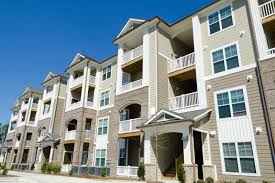
Factor in HOA Dues and Amenities: For condos or HOA communities, scrutinize the HOA’s financial health, what the dues cover, and the quality of the common elements. These “shared spaces” can significantly enhance or detract from your quality of life and future property value. In a competitive 2025 market, a well-run HOA with robust amenities can justify a premium.
Consider a Professional Measurement: If you have any doubts about a property’s advertised square footage, especially for a high-value purchase, consider hiring an independent appraiser or a specialized measurement service to verify the GLA. This small investment can prevent significant headaches down the line.
For Sellers:
Measure Accurately from the Start: Engage a professional appraiser or a measurement service to get an accurate GLA measurement before listing. This provides undeniable credibility and helps set a realistic price. Don’t rely solely on old tax records if significant renovations have occurred.
Be Transparent in Your Listing: Clearly differentiate between finished living space (GLA), garages, and any unfinished areas. Use descriptive language to highlight the value of every space, even if it’s not GLA. For instance, “1,800 sq ft of finished living area, plus a 500 sq ft attached garage and a 700 sq ft unfinished basement offering expansion potential.”
Gather Supporting Documentation: Have copies of your home’s original blueprints, recent appraisals, or professional measurement reports readily available for interested buyers and their agents. This builds trust and streamlines the transaction.
Highlight Amenity Value (for Condos/HOAs): If your property is part of a community with shared amenities, showcase these features prominently. Emphasize how well they are maintained and how they enhance the lifestyle. Be prepared to discuss HOA dues and the association’s financial health.
Price Strategically: Understand that buyers often compare properties based on GLA. Price your home competitively based on its true usable living space, while factoring in the value added by any other enclosed areas and amenities.
Concluding Thoughts: Your Path to Confident Real Estate Decisions in 2025
The U.S. real estate market in 2025 is a complex ecosystem, shaped by evolving economic pressures, technological advancements, and shifting consumer preferences. While the jargon around property measurements might seem daunting, mastering these concepts is fundamental to making intelligent, financially sound decisions. My decade of experience has shown me that informed buyers and transparent sellers are the bedrock of successful transactions. By understanding the nuances of Usable Living Space, Gross Building Area, the importance of professional standards, and the valuation of common elements, you empower yourself to navigate this landscape with confidence and precision. Don’t leave your most significant financial investment to chance; delve into the details and ensure you truly understand what you’re buying or selling.
Ready to explore properties with an expert eye or ensure your listing is positioned for maximum impact in today’s market? Reach out today for a personalized consultation to clarify your real estate goals and demystify the numbers that matter most.