


The Ultimate Playbook to Decoding Square Footage: Usable, Gross Living, and Common Area Allocations in 2025 US Real Estate
Navigating the American real estate landscape in 2025 demands more than just a passing familiarity with buzzwords; it requires a deep understanding of the metrics that truly define a property’s value and utility. As an expert who’s walked countless properties and advised on hundreds of transactions over the past decade, I can tell you that few concepts are as consistently misunderstood, yet as fundamentally critical, as square footage. It’s not just a number on a listing; it’s the bedrock of your investment, your lifestyle, and your financial commitment.
Forget what you think you know about “total square feet.” In today’s dynamic market, where remote work has reshaped our living requirements, and smart home technology coupled with sustainability features increasingly dictates perceived value, the precision of measurement matters more than ever. We’re moving beyond simple area calculations into a nuanced evaluation of usable space, appraised value, and shared common interests. Let’s pull back the curtain on these essential distinctions, ensuring you’re equipped to make profoundly informed decisions in the evolving 2025 US real estate market.
Dissecting the Core: Usable Living Space – Your True Domain
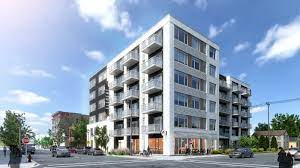
When you envision your future home – placing furniture, setting up your home office, or simply moving through your daily life – you’re mentally calculating what I refer to as “Usable Living Space” or “Actual Occupiable Square Footage.” This is the most intuitive and, arguably, the most important metric for any homeowner or tenant, as it directly reflects the space you can physically inhabit and utilize on a day-to-day basis.
What it Truly Encompasses:
At its heart, usable living space refers to the interior dimensions of rooms within a dwelling, measured from the inside surfaces of the exterior walls to the inside surfaces of interior walls. Think about the footprint where your sofa, dining table, and bed will actually sit.
Key Inclusions:
Interior Rooms: Bedrooms, living rooms, dining rooms, kitchens, bathrooms, hallways, and utility rooms.
Finished & Habitable Areas: Any space that is heated, cooled, and designed for human occupancy, regardless of its specific function.
Walk-in Closets & Pantries: These integral storage areas are typically included as they are enclosed within the main living envelope.
Crucial Exclusions (and why they matter):
This is where the distinction becomes vital for buyers. Unlike some broader definitions, usable living space deliberately excludes:
Exterior Walls: The structural thickness of the perimeter walls.
Interior Structural Walls: Load-bearing walls within the unit that cannot be moved.
Shafts & Columns: Any structural elements, utility shafts, or vertical risers.
Unfinished Basements/Attics: Spaces lacking proper flooring, heating/cooling, or finished walls and ceilings.
Garages & Carports: Even if attached, these are fundamentally separate functional spaces.
Decks, Patios & Balconies: While valuable amenities, they are outdoor or semi-outdoor extensions, not enclosed, climate-controlled living space.
Porches & Entryways (Unenclosed/Unheated): If not fully integrated and conditioned, they fall outside this core metric.
Why This Metric Reigns Supreme:
For a buyer, the usable living space is the most honest representation of what you’re actually buying for your daily life. It directly impacts your furniture layout, storage capacity, and overall comfort. When comparing two properties advertised with similar “total” square footage, understanding their usable living space will reveal which truly offers more practical room. In a 2025 market where home offices are non-negotiable for many, and adaptable, multi-functional spaces are prized, maximizing every square foot of usable space is a prime consideration. Developers and savvy sellers are increasingly highlighting dedicated zones for work, fitness, or relaxation, underscoring the importance of this practical measurement.
Expanding the Envelope: Gross Living Area (GLA) and Total Enclosed Area
While usable living space focuses on your immediate inhabitable footprint, the “Gross Living Area” (GLA) and “Total Enclosed Area” concepts offer a broader perspective, particularly relevant for appraisals, financing, and official property records. These definitions move us closer to the overall dimensions of the structure itself.
Gross Living Area (GLA): The Appraiser’s Benchmark
GLA is the gold standard for residential property appraisals in the US, primarily driven by guidelines from the Uniform Standards of Professional Appraisal Practice (USPAP) and agencies like Fannie Mae and Freddie Mac. It represents the total finished square footage of above-grade residential space, calculated using exterior measurements of the house.
Key Characteristics of GLA:
Above-Grade Only: Crucially, GLA only counts living areas that are above ground level. This means finished basements, even if they are beautifully appointed and fully functional, are not included in GLA. This is a common point of confusion and can significantly impact perceived value, especially in markets where basements are extensive.
Finished & Habitable: The space must be finished to the same quality as the rest of the home, heated, and accessible from the main living area.
Exterior Measurements: Appraisers typically measure the exterior perimeter of the house, subtracting areas that are not heated/finished (e.g., garages, open porches).
Permanent Structure: It refers to space within the permanent walls of the structure.
What GLA Excludes:
Finished Basements: Even walk-out basements are typically excluded from GLA, though they are usually valued separately and contribute significantly to overall property value.
Garages: Attached or detached, garages are functional spaces but not considered “living area.”
Porches, Decks, Patios, Balconies: These are outdoor or semi-outdoor spaces.
Unfinished Areas: Attics, storage rooms, or other spaces not meeting the finished, heated, and above-grade criteria.
Why GLA Matters Immensely:
GLA is the number mortgage lenders primarily use to determine the value of a property for lending purposes. It directly influences your loan-to-value (LTV) ratio, your mortgage amount, and ultimately, your buying power. When an appraiser determines a “price per square foot,” they are almost always using the GLA. For sellers, understanding your GLA is crucial for pricing your home correctly and setting realistic expectations for appraisal outcomes. In a 2025 market characterized by fluctuating interest rates, an accurate GLA can be the difference between a smooth closing and a deal falling apart due to appraisal gaps.
Total Enclosed Area: The Broader View
Sometimes, you’ll encounter a broader term like “Total Enclosed Area” or “Under Roof Square Footage.” This is less standardized than GLA but aims to capture all space physically enclosed by the building’s exterior walls, regardless of whether it’s above grade, finished, or heated.
What it Might Include:
GLA
Finished Basements
Attached Garages (sometimes, depending on context)
Enclosed Porches or Sunrooms (even if unheated)
This metric is often used by builders for construction cost estimation or by tax assessors for property tax calculations, where the entire physical footprint under a roof is considered. For a buyer, it’s less about direct utility and more about the overall physical scale and cost of the structure. Always clarify what “Total Enclosed Area” refers to, as its definition can be inconsistent.
The Full Footprint: Deeded Square Footage & Common Area Allocations
Moving into multi-unit properties like condominiums, co-ops, and planned unit developments (PUDs), the concept of “square footage” expands dramatically to include not just your individual unit, but also your proportionate share of the building’s common spaces. This introduces terms like “Deeded Square Footage” and the critical understanding of “Common Area Allocation.”
Deeded Square Footage (Your Unit’s Legal Footprint):
In a condo or co-op, your “deeded square footage” typically refers to the private living space within the boundaries of your individual unit. This is often akin to the “usable living space” or a slightly expanded version that might include the internal structural walls within your unit. It’s the area for which you hold specific ownership rights, as outlined in your deed or co-op proprietary lease.
Key Aspects:
Private Ownership: This is the space you legally own or have exclusive rights to occupy.
Boundaries Defined: The exact boundaries are typically defined by the center line of demising walls (walls shared with neighbors) and the exterior surface of perimeter walls.
Often Smaller than Total Building Footprint: This number will always be significantly less than any “total building footprint” figure associated with the entire complex.
Common Area Allocation: The Shared Investment
This is where the “super built-up area” concept from other markets finds its US parallel. In a condominium or co-op, when you purchase a unit, you also acquire an undivided proportionate interest in the common elements of the property. This interest is typically calculated based on your unit’s size relative to the total square footage of all units, or based on the developer’s specified percentage. This proportionate share dictates your contribution to the maintenance and upkeep of shared amenities.
What Constitutes Common Areas (and your share):
Lobbies & Hallways: Entryways, corridors, and reception areas.
Elevators & Stairwells: Vertical transportation within the building.
Structural Elements: The building’s foundation, roof, exterior walls, and load-bearing columns.
Mechanical Systems: HVAC systems (beyond your individual unit’s components), plumbing risers, electrical conduits.
Recreational Facilities: Gyms, swimming pools, clubhouses, tennis courts, gardens, rooftop decks.
Parking Garages: Shared parking facilities.
Utility Rooms & Storage: Shared laundry facilities, maintenance closets.
Landscaping & Grounds: The entire plot of land the building sits on, including green spaces.
The Financial Impact of Common Area Allocation:
Your proportionate share of common areas directly translates into your Homeowners Association (HOA) fees or maintenance fees in a co-op. These monthly or quarterly fees cover the costs of maintaining, repairing, and insuring these shared elements. A larger proportionate share means higher fees, which significantly impact your total monthly housing cost.
Expert Insight for 2025:
In an era where remote work is prevalent, access to amenities like state-of-the-art gyms, co-working spaces, and outdoor communal areas adds substantial value. Buyers are scrutinizing HOA documents more closely than ever, not just for the fees, but for the quality and availability of these shared amenities. Understanding your common area allocation is crucial for assessing the true cost of ownership and the lifestyle benefits you’re receiving. Don’t be swayed by a low unit price without fully accounting for the HOA fees and what they cover.
The Appraisal Perspective & Standard Practices: Ensuring Clarity in the USA
In the US, the closest equivalent to a “standardized built-up area” comes from professional appraisal practices and the widespread adoption of ANSI (American National Standards Institute) measuring standards. While not universally mandated by law in every state, adhering to these standards brings vital consistency to how square footage is measured and reported.
The Role of the Licensed Appraiser:
A licensed appraiser is a neutral third party whose primary role is to provide an unbiased estimate of a property’s market value. When it comes to square footage, they are the definitive authority for lending purposes. Appraisers typically follow:
ANSI Z765-2021 Standard: This is the most widely accepted standard for residential square footage measurement. It dictates measuring from the exterior of the house, includes finished, heated/cooled spaces only, and emphasizes above-grade areas for GLA.
FHA/VA Guidelines: For government-backed loans, specific requirements must be met, often aligning closely with ANSI and Fannie Mae/Freddie Mac.
MLS Reporting: Multiple Listing Services (MLS) often have their own categories and rules for reporting square footage, though they typically try to align with appraisal standards.
Common Discrepancies and Pitfalls:
Builder Plans vs. Reality: Initial blueprints or sales brochures might present “approximate” square footage that differs from the final construction or an appraisal measurement.
Tax Records: County tax records often have square footage information, but these are frequently based on older assessments or simplified calculations and may not reflect current ANSI standards or recent additions/modifications.
Owner’s Measurements: Homeowners, in good faith, might measure their homes inaccurately, leading to inflated or incorrect figures.
Marketing Exaggerations: Some sellers or agents might inadvertently (or deliberately) include finished basements, garages, or porches in a general “total square footage” figure without clearly distinguishing GLA, leading to buyer confusion.
Expert Advice:
Always Prioritize the Appraisal: For a buyer, the appraisal’s square footage measurement is the most reliable and financially impactful figure.
Request Floor Plans: If available, reviewed floor plans can provide a helpful visual and detailed breakdown.
Understand What’s Included: When reviewing any square footage number, always ask: “What is included in this measurement? Is this above-grade GLA, or does it include other areas?”
Sellers: Consider a Pre-Listing Appraisal: In a competitive 2025 market, a pre-listing appraisal can proactively resolve square footage discrepancies, give buyers confidence, and prevent issues during the transaction.
Why These Distinctions Matter More Than Ever in 2025
The nuances of square footage aren’t just academic; they have tangible, immediate, and long-term consequences for every participant in the real estate market. In the dynamic 2025 landscape, where every dollar counts and lifestyle demands are evolving, precision is paramount.
Financial Impact & True Value Assessment:
Purchase Price: While homes are rarely priced solely on a “price per square foot” basis, this metric is a key comparison tool. Knowing the accurate GLA allows for a much more meaningful “cost per square foot” analysis against comparable properties, helping you gauge if you’re overpaying.
Mortgage & Insurance: Lenders base your loan amount on the appraised value, heavily influenced by GLA. Property insurance premiums are also often tied to the replacement cost, which considers the total enclosed area.
Property Taxes: Local assessors use square footage (often a broader definition than GLA) to calculate property taxes, a recurring annual expense. An inaccurate measurement could mean you’re paying too much.
Resale Value: When you go to sell, your home will be appraised again. An accurate understanding of your square footage, particularly GLA, is crucial for setting a competitive price and ensuring a smooth appraisal process.
Lifestyle & Utility Alignment in the Hybrid Work Era:
Functionality: Does the usable living space truly meet your needs? With hybrid work models firmly entrenched, dedicated home office space, flex rooms, or even multiple distinct living zones are highly desirable. Knowing the actual usable square footage helps you visualize if the home can accommodate these modern demands.

Future Adaptability: Can the space evolve with your family or lifestyle changes? Understanding the layout within the usable square footage allows for better planning for renovations, additions, or even multi-generational living arrangements.
Negotiation Leverage & Due Diligence:
Empowered Buyer: Armed with precise square footage definitions, you can challenge ambiguous marketing claims, scrutinize discrepancies between listing data and tax records, and negotiate from a position of strength. If a seller’s advertised square footage differs significantly from an appraisal, you have legitimate grounds for price adjustment.
Risk Mitigation: Overpaying due to an inflated square footage claim is a costly mistake. Thorough due diligence regarding measurements protects your investment.
Investment Strategy & ROI Calculations:
Income Properties: For real estate investors, accurate usable square footage is paramount for calculating potential rental income, especially for multi-family units where rent is often quoted per square foot.
Development Potential: Developers rely on every square foot calculation, from lot coverage to floor area ratios, to maximize profitability and adhere to zoning regulations.
CAP Rate & ROI: Precise area measurements are fundamental inputs for financial models, ensuring accurate projections for capitalization rates and return on investment.
Practical Tips for Navigating Square Footage in the 2025 Market:
As your trusted real estate advisor, my decade of experience has distilled these crucial takeaways for both buyers and sellers:
Always Verify, Never Assume: This is my cardinal rule. Never take square footage figures from a listing or marketing material at face value. Seek independent verification.
Understand the Definitions: Familiarize yourself with Usable Living Space, Gross Living Area (GLA), and how common areas are allocated in multi-unit properties.
Prioritize the Appraisal: For buyers, the appraiser’s GLA is the most critical number for financing and valuation. Don’t close until you’re comfortable with this figure.
Request Floor Plans: If available, detailed floor plans can give you a better sense of space allocation and room dimensions, going beyond a single square footage number.
Scrutinize HOA Documents: For condos and co-ops, delve into the Declaration of Condominium/Bylaws to understand your common interest percentage and what your HOA fees truly cover. This impacts your long-term financial commitment significantly.
Don’t Just Compare Price Per Square Foot: While a useful benchmark, a lower price per square foot doesn’t always mean a better deal. Consider the quality of finishes, location, amenities, condition, and the efficiency of the layout within that square footage. A well-designed 1,800 sq ft home can feel more spacious and functional than a poorly laid out 2,000 sq ft one.
Factor in Outdoor Living: While not included in GLA, high-quality outdoor living spaces (decks, patios, well-landscaped yards) add immense value and desirability in 2025, especially as extensions of indoor living for entertaining and relaxation. Value them separately.
Ask Direct Questions: Don’t hesitate to ask your real estate agent, appraiser, or even the seller (through your agent) for clarity on how square footage was measured and what is included. An expert agent will be proactive in providing this information.
For Sellers: Proactive Clarity Sells: Consider getting a pre-listing measurement or appraisal. Providing transparent, verified square footage upfront builds trust with buyers and can streamline the sales process, preventing headaches down the line.
Your Next Step to a Smarter Real Estate Decision
The real estate market in 2025 is complex, dynamic, and full of opportunities for those who understand its intricacies. Decoding square footage is not just about numbers; it’s about accurately valuing your investment, matching a property to your lifestyle, and securing your financial future. Don’t leave such a fundamental aspect to chance or assumption.
Are you ready to navigate the evolving real estate landscape with confidence? Whether you’re buying, selling, or simply seeking clarity on property valuation, understanding these critical measurements is your strategic advantage. For personalized guidance and to ensure every square foot of your next real estate venture truly works for you, connect with a seasoned professional who can provide the expert insights and diligent support you deserve. Let’s ensure your next property move is built on a foundation of clarity and informed decision-making.