


The $250,000 Investment Conundrum: Condominium or Land in the 2025 U.S. Real Estate Market?
The landscape of real estate investment in the United States has always been dynamic, shaped by economic shifts, demographic trends, and evolving investor sentiment. As we navigate 2025, a persistent question for many aspiring or seasoned investors with a significant but not boundless capital sum—let’s peg it around the $250,000 mark—is whether to allocate those funds towards a condominium or a parcel of land. This isn’t merely a preference; it’s a strategic dilemma rooted in risk tolerance, investment horizon, and desired returns. From an analytical perspective, both options present distinct advantages and formidable challenges, demanding a meticulous evaluation of the current market climate and individual financial objectives.
The $250,000 Benchmark in 2025: A Realistic Assessment
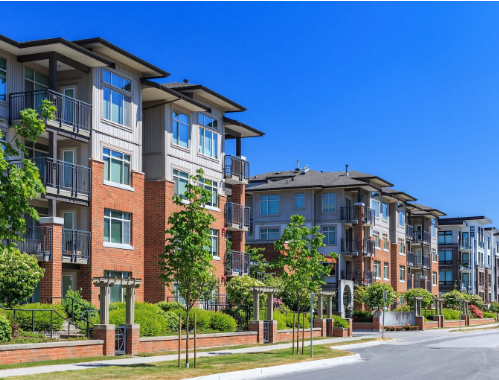
Before delving into the specifics, it’s crucial to contextualize what $250,000 represents in the 2025 U.S. real estate market. This amount, while substantial, often serves as an entry point rather than a gateway to high-end assets. In many competitive urban and suburban markets, $250,000 might facilitate a down payment on a larger property or outright purchase a modest, older condominium unit. For land, it could secure a sizable parcel in an exurban or rural growth corridor, or a smaller, strategically located plot with development potential near burgeoning metropolitan areas. Understanding this baseline helps frame the subsequent analysis, highlighting that regardless of choice, shrewd due diligence and a clear strategy are paramount.
Investing in Condominiums: A Deeper Dive
For many, a condominium (or “condo”) offers an accessible pathway into real estate ownership, particularly for those eyeing urban or amenity-rich suburban environments. Condos typically represent a fractional ownership of a larger building, with individual units owned outright and common areas managed by a Homeowners Association (HOA).
Appreciation Dynamics in 2025:
Historically, condo appreciation has often lagged behind single-family homes, though this trend can vary significantly by market. In 2025, with continued urbanization and a preference for low-maintenance living among certain demographics (young professionals, empty nesters), well-located condos in desirable areas (proximity to transit, entertainment, employment hubs) can still see steady, albeit often moderate, value growth. We anticipate an average annual appreciation rate for established condo units to hover around 4-7% in stable markets, influenced by local job growth, interest rates, and housing supply. However, the sheer volume of new construction in some metropolitan areas could temper rapid price surges for older units.
Liquidity and Market Velocity:
Condos generally offer better liquidity compared to raw land. There’s a larger, more active market of buyers and renters seeking these types of properties. However, market conditions in 2025 dictate that even with relatively good infrastructure, desirability, and legal clarity (a clear title or “pink book” equivalent), selling a condo isn’t always swift. Factors like the overall health of the local housing market, the specific building’s reputation, HOA financial stability, and the presence of competing inventory can significantly impact the time to close a sale. Investors should prepare for a selling cycle that could extend beyond a few months, especially if aiming for optimal pricing.
The Unseen Costs and Operational Realities:
One of the primary considerations with condo investment is the Homeowners Association (HOA) fee. These monthly assessments cover the maintenance and repair of common areas, amenities, building insurance, and often utilities. In 2025, with rising labor costs, insurance premiums, and an emphasis on energy efficiency upgrades, HOA fees are likely to continue their upward trajectory. These fees directly impact your cash flow and net rental yield, requiring careful budgeting. Beyond regular fees, special assessments for unexpected major repairs (e.g., roof replacement, facade restoration, structural issues) can emerge, posing significant financial burdens.
Potential Risks and Mitigation:
While condos offer a sense of managed living, they are not without risks.
HOA Management and Financial Health: A poorly managed or financially unstable HOA can diminish property value, neglect crucial maintenance, and lead to protracted legal disputes. Due diligence here involves reviewing HOA meeting minutes, financial statements, and reserve studies.
Obsolescence and Deterioration: Buildings age, and unit interiors become outdated. While 2025 sees an increased focus on smart home technology and modern aesthetics, older condos may require significant renovation to remain competitive. The building’s overall structural integrity and maintenance schedule are paramount.
Rental Restrictions: Some HOAs impose restrictions on rentals, including limits on the number of rental units or minimum lease terms, which can impact an investor’s ability to generate income.
Title and Legal Clarity: Ensuring a clean title is fundamental. While less common with existing condos, issues can arise, particularly in new developments where proper documentation might be delayed.
The “Under Construction” Condo (Future Housing) Scenario:
Investing in pre-construction or under-construction condo projects, often termed “future housing,” carries an elevated risk profile. The promise of a pristine, modern unit can be appealing, but the reality hinges on the developer’s financial stability, project management capabilities, and legal compliance. In 2025, investors must scrutinize:
Developer Track Record: Research the developer’s history, completed projects, and any past litigation.
Project Legality: Verify all permits, zoning approvals, and master plans (e.g., 1/500 equivalent) are in place. Lack of proper documentation can lead to significant delays, project abandonment, or legal entanglements.
Quality Control: Model units can be deceptive. Ensure contractual agreements specify material quality, finishes, and dimensions that match expectations. Discrepancies in design, area, or floor numbering can lead to aesthetic disappointment, functional issues, or even poor feng shui (for those who consider it), affecting resale value.
Market Saturation: A high volume of new units in the same development or immediate vicinity can create a “product basket” that dilutes demand and negatively impacts liquidity, making it harder to sell or rent.
Investing in Land: The Long-Term Play
Land investment, particularly raw or undeveloped land, often appeals to investors seeking significant long-term capital appreciation and a more hands-off approach initially. With $250,000 in 2025, one could acquire a substantial parcel in a rapidly developing exurban area, a smaller, strategically located infill lot, or agricultural land with future development potential.
Profit Margins and Time Horizons:
Land, especially well-chosen parcels in growth corridors, has historically demonstrated higher average profit margins compared to condos, often ranging from 10-20% per year or more, particularly during periods of robust economic expansion and population growth. However, this profit is rarely quick. Land investment is a long game, typically requiring a holding period of 2-5 years, sometimes longer, before significant gains can be realized. This patience is necessary for infrastructure to catch up, zoning changes to materialize, or market demand to peak.
Liquidity: A Major Hurdle:
The most significant drawback of land investment is its inherent illiquidity. Unlike a condo with immediate utility, raw land does not generate income and often carries carrying costs (property taxes). Finding a buyer for a specific parcel can take considerable time, and unlike a home, there’s no immediate emotional appeal or urgency for most buyers. This can lead to situations where investors are pressured to lower prices significantly if they need to exit quickly.
The Complexities of Risk:
Land investment is rife with unique risks that demand thorough investigation:
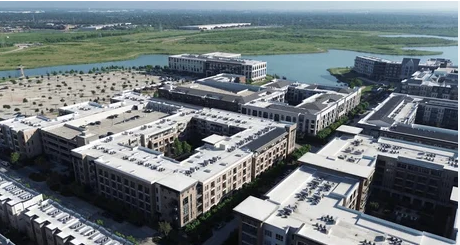
Zoning and Planning Uncertainty: Agricultural land, for instance, might never be rezoned for residential or commercial use, leaving investors “stuck” with a low-value asset. Even residential land can be subject to unexpected planning changes, easements, or development restrictions. In 2025, environmental regulations are increasingly stringent, which can affect development potential.
Infrastructure Dependency: The value of land is heavily reliant on future infrastructure development (roads, utilities, schools, commercial centers). Without these, a parcel can remain dormant and undesirable. Brokers and developers often “inflate” future potential, creating “virtual prices” based on hypothetical future infrastructure. Investors must independently verify all proposed developments through official municipal channels.
Developer Integrity and “Project Land” Scams: The original article’s caution about small-to-medium sized developers “creating waves to sell out” is highly relevant in the U.S. market as well. Some land projects are spearheaded by less reputable entities that lack the financial backing or long-term vision of established developers. These often involve:
“Paper Plans”: Selling land based on unapproved or conceptual 1/500 (or U.S. equivalent) drawings, promising infrastructure or amenities that never materialize.
Shared Certificates/Undivided Interests: Selling portions of a larger parcel with a shared deed, making it impossible for individual buyers to obtain clear, separate title to their specific plot as promised. This can lead to protracted legal battles and inability to develop or sell.
“Future Pricing”: Valuing land not on its current market worth but on speculative future prices, incorporating the cost of a “future picture” that may never materialize.
Mitigating Land Investment Risks:
To navigate these risks effectively, investors in 2025 should adhere to stringent guidelines:
Always Buy Land with a Clear Title: Ensure the certificate of title accurately reflects the land type (e.g., residential, commercial, agricultural) you intended to buy, and that there are no encumbrances, liens, or shared ownership clauses. Title insurance is non-negotiable.
Verify Planning and Zoning: Consult local planning departments, county recorders, and zoning maps. Understand the current and future land use designations. Do not rely solely on developer or broker assurances.
Independent Valuation: Obtain an independent appraisal of the land. Cross-reference land prices of comparable neighboring areas to avoid overpaying due to speculative hype or “FOMO” (Fear Of Missing Out).
Infrastructure Due Diligence: Independently verify any promised infrastructure developments with local government agencies (e.g., Department of Transportation, Public Works).
Environmental Assessments: Conduct environmental impact assessments, especially for larger parcels, to identify potential issues (wetlands, hazardous waste) that could impede development.
The Decisive Crossroads: Capital Preservation vs. Profit Maximization
With $250,000, the decision between a condominium and land in 2025 boils down to a fundamental trade-off between capital preservation and potential profit maximization, intrinsically linked to individual risk tolerance and investment objectives.
If Prioritizing Capital Preservation and Potential Income (and perhaps future occupancy): Choose a Condo.
For investors whose primary goal is to preserve capital, generate some passive rental income, and potentially have a property they could occupy themselves later, a carefully selected, existing condominium is often the more prudent choice. Look for units with a clear title, a financially sound HOA, in a stable market with decent rental demand. This strategy allows for a relatively more predictable income stream and generally better liquidity, albeit with slower capital appreciation than land. The ability to “settle down” in a few years, then potentially sell for a modest profit, is a viable pathway.
If Prioritizing Higher Capital Appreciation and Can Tolerate Risk: Choose Land.
For the investor willing to accept higher risk, has a longer investment horizon (3+ years), and can forgo immediate income, land offers the potential for substantially greater capital appreciation. This path suits those who are comfortable with the inherent illiquidity, willing to conduct extensive due diligence, and possess the patience to wait for market conditions and infrastructure to align. It’s an investment in future potential, not present utility.
Finding Your Personal Tolerance Threshold
Ultimately, there is no universal “best” answer. The “right” choice is deeply personal, driven by:
Risk Tolerance: How comfortable are you with the possibility of significant losses or delays?
Investment Horizon: Do you need returns in 1-3 years, or are you prepared to wait 5-10 years?
Financial Goals: Is your aim to generate consistent income, or to achieve substantial capital growth?
Time Commitment: Are you prepared for the active management of a rental condo, or the passive waiting and initial rigorous research required for land?
In 2025, whether you lean towards the tangible immediate utility of a condominium or the speculative, long-term promise of land, the unwavering imperative is due diligence. Independent verification of all facts, a critical assessment of market conditions, and a clear understanding of your personal financial objectives will be the cornerstones of a successful real estate investment strategy. The $250,000 dilemma isn’t just about choosing a property type; it’s about choosing an investment philosophy that aligns with your future.