


The Great British Property Conundrum: House or Flat in 2025?
Welcome, intrepid home hunter, to the ever-evolving landscape of the UK property market in 2025. You stand at a pivotal crossroads, a decision point that shapes not just your living situation but your entire lifestyle: should you set your sights on a traditional house or embrace the convenience of a modern flat? This isn’t merely a transactional choice; it’s a profound commitment to a way of life. With over a decade navigating the intricate tides of British property, I’ve seen countless individuals wrestle with this very dilemma. The good news? There’s no single “right” answer, only the optimal choice for you. This comprehensive guide is designed to dissect the challenge, offering solutions and insights to empower your journey to finding that perfect place to call home.
The Perennial Problem: Deciphering Your Domestic Destiny
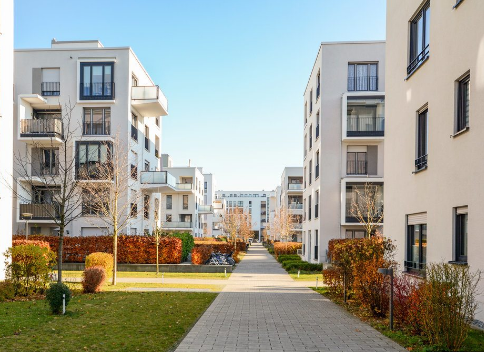
The core problem for many prospective homeowners in the UK today is information overload combined with deeply personal aspirations. Social media feeds are awash with aspirational home tours, property shows glamorise both sprawling estates and sleek city pads, and everyone from your aunt to your local estate agent has an opinion. How do you cut through the noise and objectively assess what truly aligns with your needs, your budget, and your vision for the future?
The “house versus flat” debate isn’t just about brick and mortar; it’s about privacy versus community, sprawling gardens versus rooftop terraces, the quietude of the suburbs versus the buzz of city life, and the long-term investment strategy. As we navigate 2025, factors like sustainability, smart home technology, and evolving work-from-home trends further complicate the picture. Let’s unpick the layers to reveal a clearer path forward.
Solution 1: Unpacking Your Space Requirements – Beyond Square Footage
When envisioning your ideal home, “space” is often the first word that springs to mind. But it’s crucial to look beyond mere square footage and consider the type of space you need and how it integrates with your daily life.
The Allure of the House (Detached, Semi-Detached, Terraced):
Generosity of Room: Houses, whether a grand detached property in the Home Counties, a charming semi-detached in a bustling market town, or a characterful terraced house in an urban conservation area, typically offer more internal living space. This is a game-changer for families, particularly those with children or pets who need room to roam. Think multiple bedrooms, dedicated reception rooms, studies, and often, an attic or cellar ripe for conversion (subject to planning permission, of course).
Private Outdoor Realm: Perhaps the biggest draw of a house is the private garden. In 2025, with an increased focus on wellbeing and connection to nature, a garden is more than just turf and flowers; it’s an outdoor sanctuary. It’s a space for children to play, for al fresco dining, for cultivating vegetables, or simply for quiet contemplation. The sense of ownership and control over your personal green space is unparalleled.
Expansion Potential: Many houses come with the potential for extensions, loft conversions, or conservatories, allowing you to adapt your home as your family grows or your needs change. This flexibility offers a valuable long-term solution to evolving space requirements, though it always comes with the caveats of planning regulations and construction costs.
Privacy and Independence: A house generally offers a higher degree of privacy. You’re less likely to share walls with neighbours (especially in detached properties), your entrance is private, and your garden is exclusively yours. This can be a huge draw for those who value solitude and complete control over their environment.
The Practicality of the Flat (Apartment):
Efficient Living: Flats are designed for efficient use of space. Modern developments often feature open-plan living areas that maximise light and create a sense of contemporary spaciousness, even within a smaller footprint. This style suits individuals, couples, or small families who prioritise a streamlined, clutter-free lifestyle.
Urban Convenience: Typically found in higher-density areas, flats often put you right in the heart of the action. This means less space might be a trade-off for unparalleled access to city amenities, transport links, and employment hubs.
Balconies and Terraces: While a full garden might be a rarity, many modern flats boast balconies or communal roof terraces. These provide valuable outdoor space for a morning coffee, a small urban garden, or enjoying city views, without the maintenance burden of a full garden.
Lock-Up-and-Leave: For those who travel frequently, enjoy spontaneous weekends away, or simply prefer a low-maintenance existence, a flat is often the ideal “lock-up-and-leave” solution. Less exterior maintenance means more time for your passions.
Solution 2: Weighing Up Amenities – Shared Luxuries vs. Personal Possessions
Beyond the physical space, the amenities associated with your home significantly contribute to your quality of life. Here, houses and flats diverge considerably.
House Amenities – The Ultimate in Self-Sufficiency:
Private Domain: When you own a house, your amenities are largely your own. This includes your garden, driveway, garage, and any outbuildings. You have complete control over their use, maintenance, and modification (within planning laws).
Personalised Upgrades: Fancy a hot tub, a custom-built shed, or a home gym in your garage? With a house, these decisions are yours. The scope for personalising your amenities to fit your exact desires is vast, limited only by your imagination and budget.
No Service Charges: Crucially, homeowners of freehold houses typically don’t pay ongoing service charges for shared amenities (though you’ll pay Council Tax and utility bills, of course). All maintenance and upkeep costs for your property are your direct responsibility, offering transparency, if not always lower costs.
Flat Amenities – The Appeal of Shared Resources:
Curated Lifestyle: Modern flat developments, especially in urban centres, often come with an impressive array of shared amenities designed to enhance a contemporary lifestyle. Think on-site gyms, concierge services, communal lounges, private cinemas, co-working spaces, and beautifully landscaped communal gardens. These facilities offer a luxury lifestyle that would be prohibitively expensive to replicate in a private house.
Community Hubs: Shared amenities foster a sense of community. Residents often meet in these spaces, leading to neighbourly connections and a vibrant communal atmosphere, which can be particularly appealing for those new to a city or seeking social interaction.
Convenience at Your Doorstep: Imagine having a fully equipped gym a lift-ride away, or a concierge to handle parcels and security. These conveniences can significantly streamline daily life, saving time and effort.
Service Charges Explained: The flip side of these fantastic amenities is the service charge. This is an annual fee paid by flat owners (leaseholders) to cover the maintenance of communal areas, building insurance, and the running of shared facilities. While these can be substantial, they offer peace of mind that the building is professionally managed and maintained. Understanding what your service charge covers and reviewing historical charges is paramount when considering a flat. Also, be aware of “sinking funds” or “reserve funds” which accumulate for major future repairs.
Solution 3: Navigating Location – Urban Pulse vs. Rural Retreat
Location is often a non-negotiable factor, dictating everything from your commute to your social life. The choice between a house and a flat heavily influences the types of locations available to you.
House Locations – Space and Serenity:
Suburban Sanctuary: Houses are predominantly found in suburban areas, offering a blend of peaceful residential living with good access to local amenities. These areas are often chosen for their excellent schools, green spaces, and a strong sense of community.
Village Life: For those yearning for a slower pace, houses in villages and smaller towns offer a quintessential British experience. Here, you’ll find charming properties, local pubs, village shops, and access to the countryside – ideal for walkers, cyclists, and those seeking a tight-knit community.
Rural Escapes: Further afield, detached houses in rural locations offer unparalleled tranquility, expansive views, and often larger plots of land. This choice, however, typically entails longer commutes and reliance on private transport.
Family-Friendly Hubs: Houses, particularly those with gardens and extra bedrooms, are traditionally favoured by families, making suburban and village locations with good school catchment areas highly sought after.
Flat Locations – The Heart of the Action:
City Centre Vibrancy: Flats dominate city centres, placing residents directly amidst the cultural, entertainment, and business hubs. For young professionals, students, or anyone who thrives on urban energy, this is an irresistible draw. Access to bars, restaurants, theatres, galleries, and major transport links is typically unrivalled.
Commuter Convenience: Many flats are strategically located near transport hubs – train stations, Underground lines, bus routes – making the daily commute significantly easier and often negating the need for a car. This is a significant consideration in 2025, with increasing environmental awareness and the rising cost of fuel.
Regeneration Hotspots: Flats are often at the forefront of urban regeneration projects. Investing in a flat in an up-and-coming area can offer not only a modern living space but also potential for significant capital appreciation as the area develops.
Lock-Up-and-Leave Lifestyle: The ability to easily lock up your flat and head off for a weekend or extended holiday without worrying about garden maintenance or security (especially with concierge services) makes flats ideal for those with active travel schedules.
Solution 4: Budgeting Wisely – Understanding the Financial Landscape of 2025
The financial implications are often the ultimate deciding factor. While 2025 sees continued scrutiny on affordability and interest rates, a thorough understanding of all costs is paramount for both houses and flats.
The Cost of a House – Investment with Responsibilities:
Higher Entry Point: Generally, houses command a higher purchase price than flats in comparable locations due to greater space, land ownership (freehold), and privacy. This can mean a larger mortgage deposit and higher Stamp Duty Land Tax (SDLT).
Stamp Duty Land Tax (SDLT): This significant government tax is payable on properties above a certain value. The higher the purchase price of a house, the larger your SDLT bill will likely be. First-time buyers in England and Northern Ireland benefit from relief on properties up to £425,000.
Freehold Ownership: Most houses in the UK are sold on a freehold basis, meaning you own the property and the land it stands on outright. This eliminates ground rent and service charges, giving you full control.
Ongoing Maintenance Burden: While there are no service charges, the responsibility for maintaining the entire property – roof, exterior, garden, drains, boiler, etc. – falls solely on the homeowner. It’s crucial to budget for regular maintenance and unforeseen repairs, which can be substantial. A good rule of thumb is to set aside 1-3% of the property’s value annually for maintenance.
Potential for Appreciation: Historically, houses in the UK have demonstrated strong long-term capital appreciation, particularly those in desirable locations with good school catchments.
The Cost of a Flat – Leasehold Nuances:
More Budget-Friendly Entry: Flats often offer a more accessible entry point into the property market, particularly for first-time buyers in competitive urban areas. This can mean a lower deposit and potentially lower SDLT.
Leasehold Ownership (The UK Specific): The vast majority of flats in the UK are sold on a leasehold basis. This means you own the property for a fixed period (the lease) but not the land it sits on. You pay ground rent to the freeholder (landlord) and service charges.
Ground Rent: An annual payment to the freeholder. While some new leases have zero ground rent, older leases can have escalating ground rents which can impact re-sale value. The government is working to reform leasehold, but it remains a crucial consideration in 2025.
Service Charges: As discussed, these cover maintenance of communal areas, building insurance, and shared amenities. They can vary significantly between developments and can rise. Always scrutinise historical service charge accounts and projected costs.
Lease Length: The length of the lease is vital. Leases under 80 years can be difficult and expensive to extend, significantly impacting the property’s value and mortgageability. Always check the remaining lease term.
Lower Direct Maintenance Burden: While you contribute to service charges, the burden of major structural repairs, roof maintenance, and communal area upkeep falls to the freeholder/management company, offering a degree of financial predictability for individual owners.
Investment Potential: Flats in prime urban locations can offer excellent rental yields and capital appreciation, particularly in areas undergoing significant development or with strong transport links.
Making the Decision: A Personal Audit for Your Perfect Home
With the problem dissected and solutions explored, the final step is a deep dive into your own circumstances and priorities for 2025 and beyond.
Lifestyle Audit:
Family Status: Are you single, a couple, or do you have a growing family? This heavily influences space and garden needs.
Work-Life Balance: Do you commute daily, work remotely, or a hybrid? This dictates your ideal location and home setup (e.g., a dedicated office space vs. a co-working amenity).
Social Life: Do you thrive on urban nightlife and cultural events, or do you prefer quiet evenings and local community activities?
Hobbies & Interests: Are you an avid gardener, a DIY enthusiast, or do you prefer hitting the gym and dining out?

Travel: Do you require a “lock-up-and-leave” property for frequent travel?
Financial Reality Check:
Deposit & Mortgage Capacity: Be realistic about what you can afford upfront and your monthly mortgage payments. Use online affordability calculators and speak to a mortgage advisor.
Ongoing Costs: Factor in not just mortgage payments, but Council Tax, utility bills, building insurance, and crucially, either house maintenance fund or service charges/ground rent for a flat.
Future Financial Goals: Is this a short-term stepping stone or a long-term investment? Your financial strategy should inform your property choice.
Future-Proofing Your Home:
Longevity: How long do you envision staying in this property? Your answer impacts the importance of potential for expansion (house) versus flexible, low-maintenance living (flat).
Resale Value: Consider the long-term investment. What are the local market trends for houses vs. flats? Are there planned developments that could impact value positively or negatively?
Energy Efficiency: In 2025, Energy Performance Certificates (EPCs) are more important than ever. Both new-build houses and flats often come with higher ratings, but check older properties for potential upgrade costs.
Conclusion: Your Home, Your Choice
The great British property conundrum of house versus flat ultimately boils down to a deeply personal alignment of aspirations, financial realities, and lifestyle choices. There is no universally superior option; only the one that perfectly fits your unique blueprint for life in 2025.
Perhaps you dream of a vibrant urban existence, where cultural experiences are on your doorstep, and shared amenities cater to your every whim. In that case, a modern flat could be your perfect sanctuary. Or perhaps you yearn for the privacy of your own garden, the freedom to extend, and the quiet rhythm of suburban or village life. Then, a house, be it detached, semi-detached, or terraced, might be calling your name.
Armed with this comprehensive understanding of space, amenities, location, and the crucial financial distinctions, you are now equipped to navigate the property market with clarity and confidence. Take the time to reflect, visit properties that challenge your preconceptions, and trust your instincts. Your dream home awaits, ready to become the backdrop to your next chapter. Happy house (or flat) hunting!