


Unlocking Tomorrow’s Home Today: A Real Estate Expert’s Guide to Buying Off-the-Plan in the Modern Market
From my vantage point, having navigated the intricate currents of the real estate market for over a decade, it’s clear that the landscape for aspiring homeowners, particularly first-time buyers, has rarely been more dynamic. We’re witnessing a confluence of evolving financial conditions, shifting buyer preferences, and persistent affordability challenges across the United States. In this environment, a strategy that consistently rises to the fore as a shrewd and forward-thinking approach is buying off-the-plan. This isn’t just a niche tactic; it’s a robust pathway to homeownership and a smart investment strategy, especially as we peer into the trends shaping 2025 and beyond.
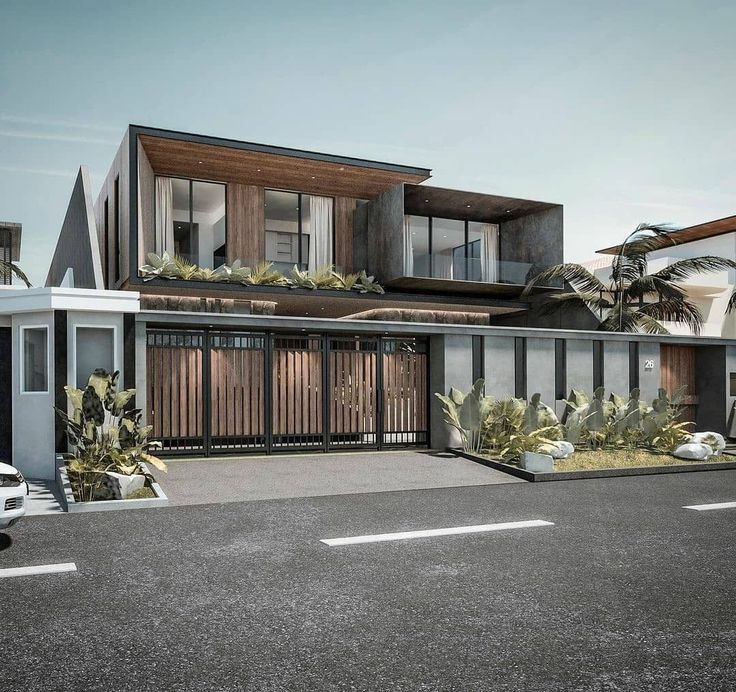
The concept of buying off-the-plan—securing a property before its completion, often based on blueprints and architectural renderings—has gained significant traction. It allows buyers to lock in today’s prices for a home that will materialize in the future, providing a unique blend of financial foresight and design flexibility. For many, it addresses the core dilemmas of market entry, offering a strategic advantage in what can often feel like an insurmountable climb onto the property ladder. This comprehensive guide will delve deep into why this method is not just an option, but often the optimal choice for a diverse range of buyers, from those making their initial foray into homeownership to seasoned investors seeking to diversify their real estate portfolio.
The Affordability Advantage: Bridging the Gap in a Competitive Market
The most immediate and compelling argument for buying off-the-plan often centers on affordability. In a market where established homes, particularly in high-demand metropolitan areas, command premium prices and are subject to intense bidding wars, pre-construction properties frequently offer a more accessible entry point. Developers, aiming to secure funding and minimize risk early in a project’s lifecycle, often price these units competitively during the initial launch phases. This pricing strategy can be a game-changer for individuals and families struggling to meet the escalating costs of existing homes.
One of the standout financial benefits is the structured payment schedule. Unlike a resale home that typically requires a substantial down payment upfront, buying off-the-plan usually involves a deposit spread out over the construction period. This often starts with a relatively modest initial sum—perhaps 5% or 10%—with subsequent installments tied to construction milestones. This extended payment timeline effectively serves as an enforced savings plan, allowing buyers to accumulate more capital before closing, reducing the immediate financial burden. For many first-time buyers, this flexibility can mean the difference between waiting years to save for a 20% down payment on an existing home and entering the market much sooner.
Furthermore, securing a price today for a property that won’t be completed for 12 to 24 months offers a powerful hedge against inflation and potential market appreciation. If property values continue their upward trajectory, as many market analysts predict for desirable areas, buyers stand to gain “instant equity” by the time they take possession. This inherent appreciation potential, without the immediate full financial outlay, is a significant draw for savvy investors and homeowners alike, contributing to a robust long-term financial plan.
Navigating the Maze of Incentives: Government Support and Builder Programs
While the original context might have highlighted specific New Zealand incentives, the United States offers its own robust suite of programs and financial aids that synergize powerfully with buying off-the-plan. Understanding these can significantly sweeten the deal and make homeownership a tangible reality.
Federally, programs like FHA loans (Federal Housing Administration) remain a cornerstone for first-time homebuyers, often requiring as little as 3.5% down. While FHA loans can be used for new construction, pairing them with the staggered payment structure of an off-the-plan purchase can further ease the financial strain. Similarly, VA loans for eligible service members and veterans often boast zero down payment requirements, which, when combined with a pre-construction purchase, can make homeownership incredibly accessible. USDA loans also offer low to no down payment options for qualified buyers in designated rural areas, an often-overlooked segment of the new construction market.
Beyond federal programs, many states and local municipalities offer their own first-time homebuyer assistance programs, grants, and tax credits. These can range from down payment assistance to reduced mortgage interest rates or even forgivable loans. Researching programs in specific areas like “Texas first-time homebuyer grants” or “California down payment assistance” is crucial. When buying off-the-plan, these incentives can be strategically leveraged to reduce the out-of-pocket costs at various stages, making the journey to closing far smoother.
Moreover, developers themselves often provide attractive incentives to secure early buyers. These can include upgrades to finishes, appliance packages, contributions towards closing costs, or even temporary interest rate buydowns. These “builder incentives” can represent significant savings, effectively enhancing the value proposition of a new construction home. Engaging with a seasoned real estate agent who specializes in new builds is paramount here, as they can help negotiate the best possible package and ensure all available incentives are maximized. For those seeking high-yield property investments, factoring in these incentives can dramatically improve initial returns and long-term profitability.
Resilience and Stability: Anchoring Your Investment in a Shifting Market
One of the less obvious, yet incredibly powerful, advantages of buying off-the-plan lies in its inherent resilience against market volatility. In a challenging property market characterized by fluctuating interest rates, evolving economic indicators, and sometimes unpredictable consumer confidence, securing a price today for a future asset offers a remarkable degree of stability.
Consider a scenario where interest rates are projected to rise. By locking in a purchase price and potentially even pre-approving a mortgage rate, buyers can insulate themselves from future increases that might price them out of the market for comparable existing homes. Similarly, if there’s a minor market downturn during the construction period, the buyer is somewhat buffered, as their acquisition cost was set prior to the dip, and new builds often retain their value more robustly due to modern standards and warranties. This contrasts sharply with existing homes, where values can be immediately impacted by market sentiment.
From an investment perspective, this strategy allows for strategic entry points. For those looking at real estate portfolio diversification or seeking best real estate development opportunities, buying off-the-plan in rapidly developing areas—think emerging tech hubs or revitalized urban cores—can offer substantial appreciation potential. By the time the property is completed, the surrounding infrastructure might have improved, local amenities expanded, and demand increased, leading to a significant increase in property value. This forward-looking approach effectively future-proofs the real estate investment.
Furthermore, new construction often comes with comprehensive home warranties, providing peace of mind against structural defects, system failures, and material issues for a specified period. This significantly reduces unforeseen repair costs, a common concern with older homes, thereby protecting the home equity and enhancing the overall value proposition. This long-term security is a major draw for both homeowners and real estate investment consultants advising clients on robust, low-maintenance asset acquisition.
Future-Proofing Your Home: Design, Technology, and Sustainability for 2025 and Beyond
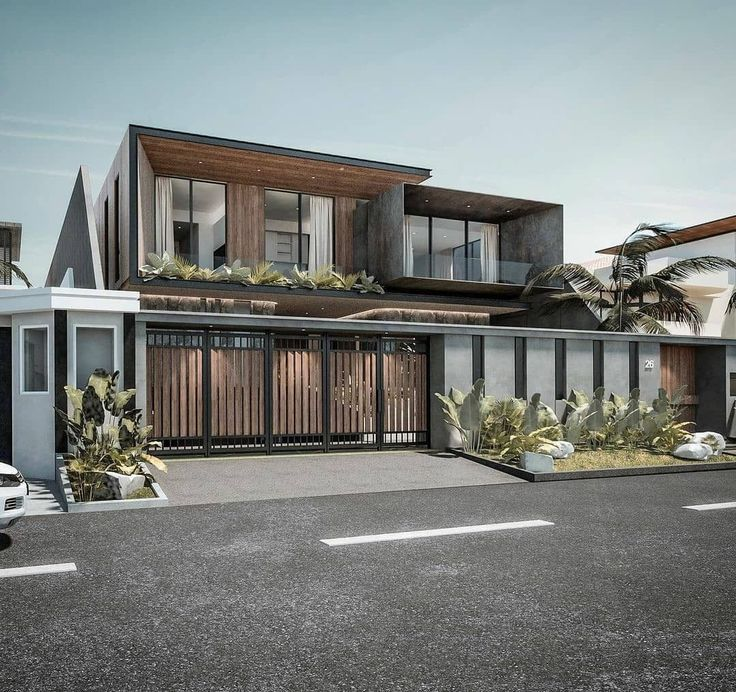
One of the most exciting aspects of buying off-the-plan is the unparalleled opportunity to secure a home designed for the future, incorporating the latest in architectural trends, smart home technology, and sustainable living practices. As we move closer to 2025, these elements are no longer luxuries but increasingly expected standards.
Developers are keenly aware of evolving buyer preferences. Modern layouts frequently emphasize open-concept living, flexible spaces that can adapt to remote work (dedicated home offices), and seamless indoor-outdoor transitions. These designs often prioritize natural light, efficient space utilization, and contemporary aesthetics that resonate with today’s homeowners. For those seeking premium new homes, the ability to customize finishes, select fixtures, and even modify floor plans (depending on the development stage) allows for a truly personalized living space from day one. This level of customization is virtually impossible with existing homes, where renovation costs can quickly escalate.
The integration of advanced smart home technology is another key differentiator. From smart thermostats and lighting systems to integrated security, voice-controlled assistants, and even AI-powered home management systems, new builds are often equipped with the infrastructure for a connected lifestyle. These features not only enhance convenience and security but can also lead to significant energy savings. For buyers considering a future-ready home, the thought of extensive retrofitting in an older property pales in comparison to a home built with smart home integration services from the ground up.
Sustainability and energy efficiency are no longer buzzwords but critical considerations for both environmental impact and long-term cost savings. New construction homes are typically built to higher energy performance standards than older properties, incorporating features like superior insulation, high-efficiency HVAC systems, energy-star rated appliances, and often solar readiness. The use of sustainable building materials and water-saving fixtures reduces utility bills and contributes to a smaller carbon footprint. This focus on green building practices aligns with a growing consumer demand for energy-efficient homes and offers tangible benefits in the form of lower operating costs, directly impacting the overall financial planning for homeownership.
Strategic Considerations and Expert Guidance: Maximizing Your Off-the-Plan Investment
While the benefits of buying off-the-plan are compelling, it’s essential to approach this strategy with diligence and expert guidance. As an industry veteran, I advise clients to consider several key factors to maximize their investment and mitigate potential risks.
Firstly, due diligence on the developer is paramount. Research their track record, previous projects, financial stability, and reputation for delivering quality and adhering to timelines. Visiting their completed developments and speaking with past buyers can provide invaluable insights. For wealth management real estate decisions, a developer’s reliability is as crucial as the property’s potential.
Secondly, the contract is king. Pre-construction contracts can be complex, often heavily favoring the developer. It is absolutely non-negotiable to have an experienced real estate attorney review the purchase agreement before signing. Pay close attention to clauses regarding completion dates, material allowances, change orders, dispute resolution, and any potential penalties for delays. Understanding the nuances of these agreements is vital for protecting your interests and ensuring a smooth transaction.
Thirdly, location, location, location remains an immutable truth in real estate. Even with a future build, the fundamentals of a desirable location—proximity to amenities, schools, transport, and employment centers—will dictate long-term appreciation. A thorough real estate market analysis of the chosen area, including growth projections and infrastructure development plans, is essential. For example, luxury pre-construction condos in revitalized downtown areas or new master-planned communities on the outskirts of growing cities often represent prime opportunities.
Finally, financing flexibility is key. While locking in a price is an advantage, mortgage rates can fluctuate. Work with a reputable mortgage broker or lender specializing in new construction to understand your options, including rate locks and different loan products that might be better suited for a delayed closing. Keeping an eye on mortgage interest rates forecast can help you time your final financing decisions.
In conclusion, the decision to embark on the journey of buying off-the-plan is a strategic move that, when executed thoughtfully and with the right expert guidance, offers a profound opportunity in today’s property market. It’s a pathway to affordability, a fortress against market volatility, and a direct route to a home that is truly designed for the future. From the financial benefits of staggered payments and potential appreciation to the unparalleled advantages of modern design, cutting-edge technology, and sustainable living, pre-construction homes represent more than just a purchase; they are an investment in a lifestyle and a sound financial future. For those ready to make a savvy leap into homeownership or to expand their investment portfolio, the opportunity to shape your dwelling before it’s even built is an exciting prospect.
If you’re considering this powerful approach to real estate and want to navigate the complexities with confidence, I invite you to reach out. Let’s discuss your unique goals and explore how buying off-the-plan can unlock the home of your dreams and cement your financial position in the evolving American real estate landscape.