
Start with a vacancy rate near 0.
7 percent nationwide. Add a price gap between detached houses and units that keeps widening. These two figures explain why buying an apartment, once seen as a trade-off, is now regarded as a frontrunner strategy for both lifestyle and wealth creation.
What follows draws on ten years of advising buyers, managing high-density portfolios, and studying urban development trends. Over that time, vertical communities have moved from a fallback for buyers watching their budgets to what many call the gold standard of modern city living.
The argument for an apartment over traditional land goes far beyond a smaller price tag. Contemporary urban design, master-planned precincts, and changing demographic demand have rewritten the meaning of property ownership. Investors hunting high-yield real estate will find that grasping the core benefits of high-density living reshapes their approach. The same goes for people seeking a low-maintenance sanctuary in economic hubs like Melbourne, Perth, and Brisbane.
Affordability makes the most Immediate case, so it comes first. Capital city property values have split onto very different paths in recent years. Detached house values climbed by more than 33 percent, locking countless families out of inner-ring suburbs. Unit values followed a far steadier, more sustainable curve. That divergence opens a door. First-time buyers, downsizers, and strategic portfolio builders can use an apartment to reach premium, blue-chip postcodes that remain financially out of range for anyone who insists on standalone land.
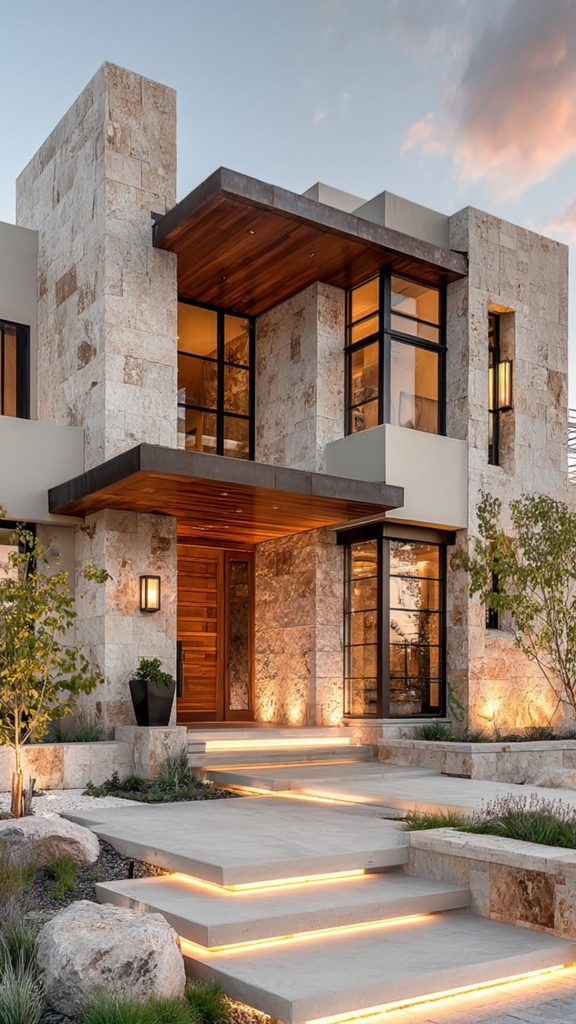
The savings do not stop at settlement. Apartment owners consistently carry lower ongoing overheads, because property taxes, building insurance premiums, and localized maintenance costs are shared across all lot owners. This arrangement shields individuals from the punishing, unpredictable bills that come with fixing roofs, foundations, and sprawling yards on a detached block.
Location, the ultimate determinant of long-term property value, is where vertical communities pull ahead. Detached houses are bound to suburban sprawl, and their owners often endure grueling daily commutes while living far from major employment corridors, cultural districts, and transport infrastructure. Master-planned apartment precincts take the opposite approach and sit deliberately at the heart of the city. Planners and developers place these projects within walking distance of rapid transit hubs, commercial centers, elite educational institutions, and lifestyle amenities. Shorter travel times give apartment dwellers back hours of their week, producing a vastly superior work-life balance. Living steps from your office, your morning coffee, and cultural epicenters is more than a convenience. It is an investment in your wellbeing and your time.
Security is non-negotiable for today’s homeowners, and apartments handle it differently than houses. A traditional house usually gets upgraded piece by piece, with individual alarm systems, cameras, and reinforced fencing, yet blind spots remain. Apartment complexes begin from a stronger base because their protection is layered. Controlled electronic access, secure basement parking, 24/7 CCTV surveillance systems, and onsite building managers or concierge teams combine into a highly secure environment. That infrastructure brings peace of mind, which makes apartments an ideal choice for frequent travelers, busy professionals, and anyone who values a lock-and-leave lifestyle.
Maintenance marks the next dividing line. A standalone home often feels like a project with no end date: gutters to clear, expansive lawns to mow, weatherboards to repaint, pests to manage. In a well-managed apartment building, that workload vanishes. Professional building management and owners’ corporations handle routine upkeep, exterior window cleaning, landscaping, and structural repairs proactively. Instead of a single owner absorbing the full financial and physical weight of a surprise repair, residents pay into a sinking fund. Pooling money this way lets preventive maintenance and capital Improvements move forward efficiently and systematically. It protects the structural integrity and long-term valuation of every asset in the tower, and it spares individual owners from sudden financial shocks.

The buildings themselves have changed as well. Residential towers once offered little beyond four walls and a parking stall. Today’s premier developments set a new standard for luxury, with resort-style facilities that rival five-star hotels. Developers now put heavy investment into comprehensive wellness and recreational ecosystems meant to enrich residents’ daily lives. Expansive landscaped green spaces, rooftop terraces, fully equipped fitness centers, lap pools, saunas, and dedicated yoga or Pilates studios show up regularly in modern projects. Progressive precincts go further, adding private dining rooms, golf simulators, cinema spaces, and lively ground-floor laneways with boutique retail and artisan dining. These features do more than add visual appeal. They actively promote physical fitness, mental wellness, and easy social interaction, all without residents ever leaving the building.
The social side deserves its own attention. Standalone suburban blocks can unintentionally breed isolation, since high fences and private yards separate neighbors. Vertical living works the other way by design and draws people together. Elegant hotel-style lobbies, communal gardens, rooftop lounges, and fitness centers all serve as natural catalysts for connection. The demographic diversity inside modern apartment complexes creates a dynamic, inclusive social fabric. A casual chat over an espresso in the ground-floor laneway, or a seat at organized community events such as book clubs, fitness classes, and seasonal celebrations, builds a genuine sense of belonging. This built-in network offers invaluable social support and makes city living deeply connected rather than anonymous.
Choosing where to place your capital is among the most critical decisions you will ever make. On one side sit the escalating costs, maintenance burdens, and suburban isolation of traditional land ownership. On the other sit the affordability, connectivity, low-maintenance freedom, and resort-style amenities of vertical living. Weighed against each other, the advantages of buying an apartment become undeniable. Positioning yourself in high-demand urban corridors supports long-term capital growth and a better daily lifestyle. For those ready to explore premium residential opportunities and take the next step toward smarter property ownership, the development experts on our team invite you to get in touch and find your ideal urban sanctuary.
Return to the two numbers that opened this report: a vacancy rate of 0.7 percent and a price gap that keeps growing. Alongside a long list of practical benefits, they point the same direction for buyers deciding between an apartment and a house or land. Affordability, location, security, low maintenance, amenities, and community each add a piece to the picture, and together they explain why vertical living now sits at the center of the market. Whether this shift will prove a lasting change in how people choose to own property is a question every buyer will answer for themselves.
If this breakdown was useful, hit the subscribe button so more property and market coverage lands in your feed. Give the video a like to help it reach other buyers and investors, and switch on the notification bell so you never miss the latest updates.”