
Six factors sit at the center of one property strategist’s case: affordability, location, amenities, low maintenance, community, and security.
Each, the strategist argues, favors the apartment over the standalone house. Together they challenge a long-held assumption about what a good life and a sound investment look like.
The strategist is a senior property acquisition specialist and real estate investment consultant with a decade in the field, and has sat across the table from hundreds of prospective buyers. Many of them arrive with a deeply rooted cultural bias, the traditional Australian dream of a sprawling detached house on a quarter-acre block. The current market tells a different story. Vacancy rates are ultra-low, and the price gap between detached dwellings and high-density units is at a record high. In that environment, buying an apartment has moved from a compromise to a strategic advantage. Whether a buyer wants a high-yield investment or low-maintenance city living, an apartment offers lifestyle and financial returns a house cannot match.
Start with money. Interest rates are shifting, lending criteria are tightening, and prices in the capital cities have pulled far apart. Detached house prices have climbed to historic levels, which squeezes first-time buyers and families. Unit and apartment values have followed a more sustainable and accessible path.
That lower entry price changes the math, whether a buyer is looking at a Melbourne apartment or premium options in growth corridors such as Brisbane and Perth. The mortgage is smaller, the deposit requirement is lower, and the stamp duty bill is lighter. The savings continue after settlement. Property taxes, building insurance premiums, and exterior maintenance costs are all shared across the body corporate or owners corporation. Investors and owner-occupiers can therefore put their capital into other high-performing assets rather than structural repairs on a house.
Location is the next factor, and the strategist urges clients to look hard at the fundamentals. Well-planned apartment precincts typically sit close to major public transportation networks, commercial employment hubs, world-class educational institutions, and lively retail districts. For professionals and active retirees alike, a shorter commute directly Improves quality of life. Leading developers know this and select prime inner-city sites, where residents can step out of the lobby and reach cafes, cultural venues, and rapid transit lines almost Immediately. That proximity Improves daily routines, and it also supports strong long-term capital growth and robust rental demand. Urban residents, for their part, increasingly refuse to spend two hours a day commuting from a distant suburban edge. Time is the one asset no buyer can acquire more of, and convenience has become the defining currency of modern real estate, with apartments leading the category.
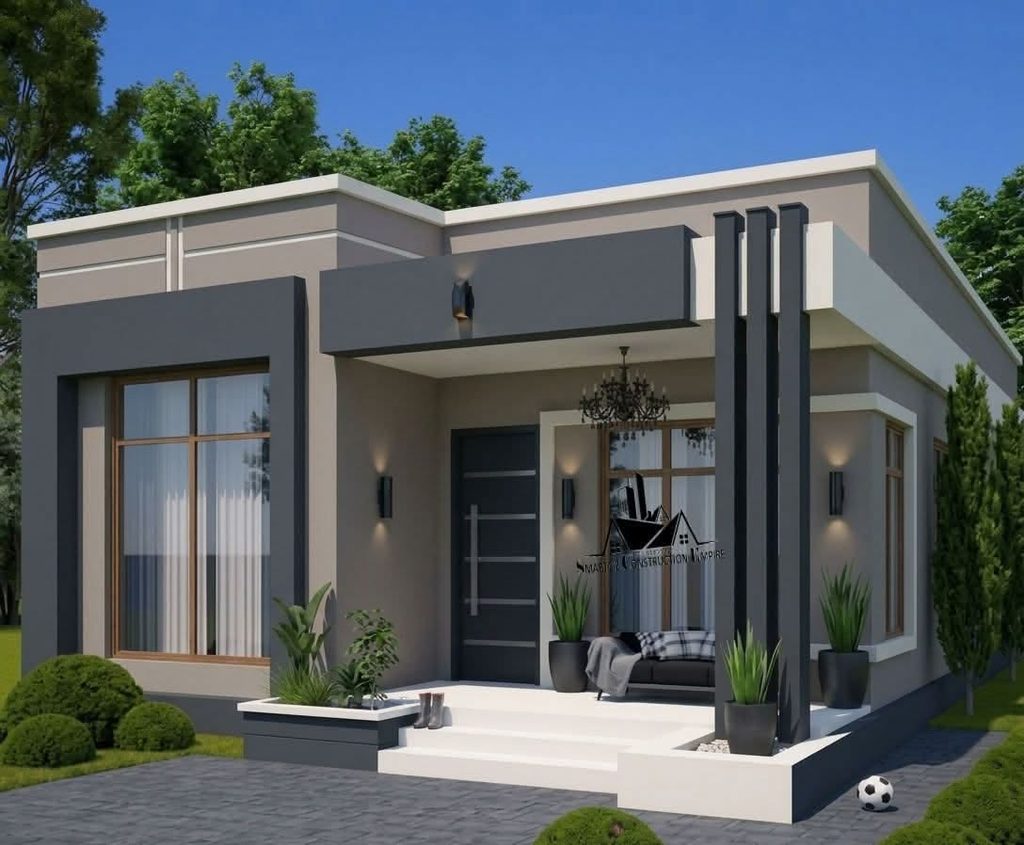
Maintenance is where house owners feel the difference most. Ask one about a typical weekend and the complaints are familiar: mowing large lawns, clearing gutters, painting weatherboards, fixing leaky roofs, and handling pest control. Owning a house can quickly turn into a second unpaid job.
Apartment living breaks that cycle. Professional building management teams and owners corporations handle routine upkeep, structural repairs, facade cleaning, and landscaping of the common areas. A planned sinking fund protects residents from the full financial shock of an unexpected repair, such as replacing a failing roof. Owners pool their contributions into that fund, which keeps the building in pristine, asset-protecting condition all year without putting sudden financial strain on any one household.
The buildings themselves have also changed. An apartment is no longer simply a place to sleep. Today’s high-density residential precincts are master-planned ecosystems designed to rival five-star hotels. Buyers in a modern development get more than interior square footage. They gain access to a broad suite of shared lifestyle infrastructure: rooftop infinity pools, state-of-the-art fitness centres, private dining rooms, co-working spaces, golf simulators, and wellness sanctuaries with saunas and Pilates studios.
These amenities carry considerable value. A resident could finish the workday, go straight to the on-site gym, then swim or spend a quiet evening in a landscaped communal garden, all without leaving the secure building. Ground-floor laneways lined with artisan cafes, restaurants, and boutiques bring a lively neighborhood culture to the front door.
Some people assume high-density living is isolating. According to the strategist, the reality is the opposite, and modern apartment complexes are masterclasses in community building. Standalone houses sit behind high suburban fences, while apartment precincts naturally encourage social interaction. Designed lobbies and shared rooftop terraces bring people together, and so do organized events such as book clubs, fitness classes, and holiday celebrations, which cultivate a palpable sense of belonging.
The resident mix adds to this. Young professionals, downsizers, and international expats live side by side, and that diversity enriches the social experience, fostering empathy, inclusivity, and lifelong friendships. A friendly chat over morning coffee in the communal courtyard is never far away.
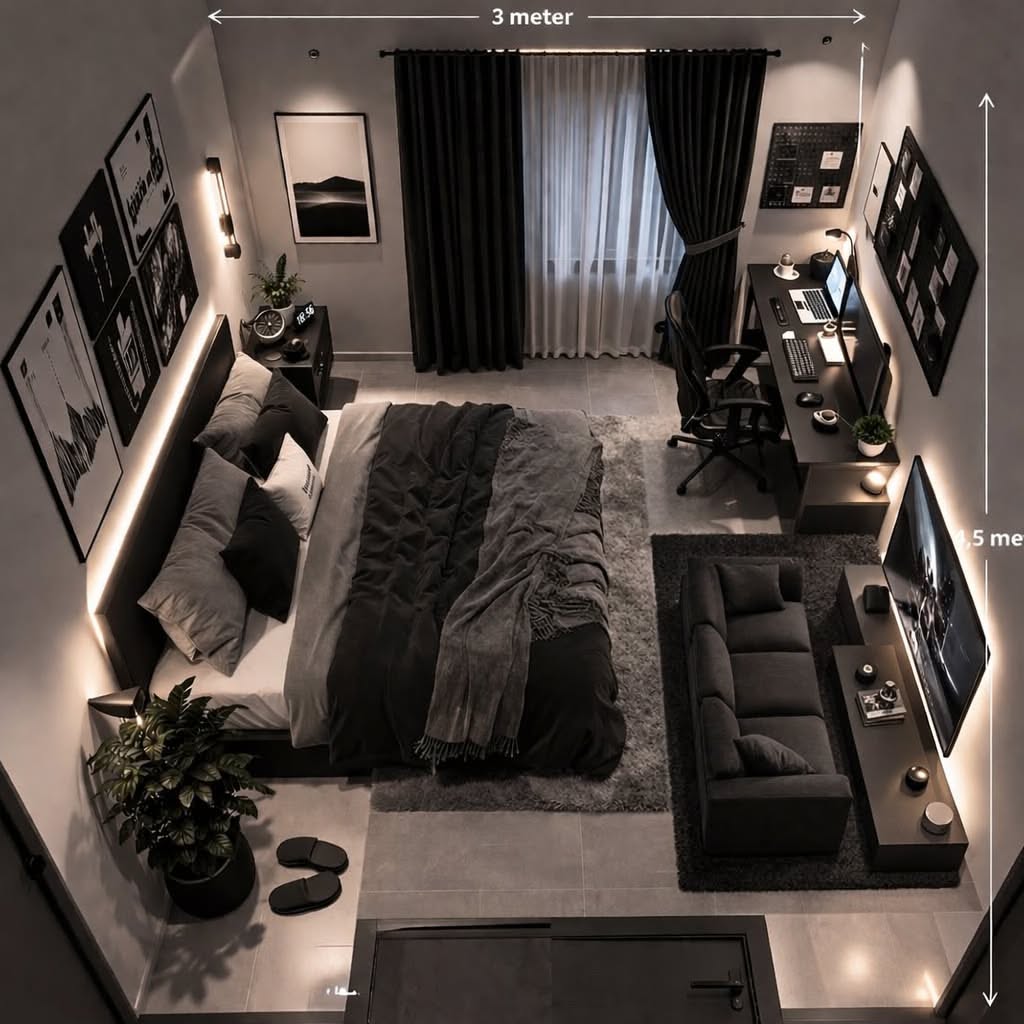
Security rounds out the case. For modern homeowners it is non-negotiable, whether they travel often for work, have children, or simply value peace of mind. Apartments provide an advanced layer of physical protection that traditional houses struggle to match. Multi-layered secure access controls, intercom systems, CCTV surveillance in common areas, and dedicated onsite building managers or concierge services create a highly protected environment.
This “lock-and-leave” capability is a game-changer for frequent flyers and busy professionals. They can pack, lock the front door, and travel for weeks knowing the home is safe, secure, and monitored.
Taken together, the long-term data points in one direction. Superior affordability, unbeatable urban convenience, resort-style amenities, effortless maintenance, vibrant community engagement, and robust security make buying an apartment the superior choice for forward-thinking buyers. Anyone reviewing a real estate portfolio or searching for the next home is at a pivotal milestone, and the strategist says the evidence favors the apartment.
For those ready to explore high-performing Melbourne CBD apartments, or who want expert guidance on securing a high-yield property investment tailored to their financial goals, the strategist invites them to connect and map out the next strategic step in the market.
That leaves one question, and every buyer now has to answer it individually: does the quarter-acre dream still deserve the top spot on the list, or do affordability, location, amenities, low maintenance, community, and security tip the balance toward the apartment?
If this breakdown gave you a clearer picture of the housing market, subscribe to the channel so the next video finds you right away. Hit the like button to help other viewers discover it, and switch on the notification bell so the latest news reaches you the moment it drops.”