
Lower entry prices, central locations, resort-style amenities, simple upkeep, a built-in community, layered security, and strong rental and growth prospects.
Those seven factors, taken together, help explain a shift that has reshaped city property in Melbourne, Brisbane, and Perth. Advisers who have spent a decade working with buyers in those markets describe it the same way: apartments used to be the fallback, and for many homeowners and investors they are now the first choice.
Two conditions in the market drive much of this. Housing supply is tightening, and vacancy rates across Australia are hovering near historic lows. Meanwhile, the price gap between standalone houses and multi-residential units has hit record highs. In that environment, an apartment offers practical financial advantages, flexibility in how you live, and the potential for long-term capital growth, compared with a traditional house or a parcel of land. Anyone buying a first home, or adding high-yield real estate to an existing portfolio, benefits from knowing what vertical communities provide before committing money.
Price comes first. Over recent market cycles, house values in the capital cities have climbed at an exponential rate, leaving standalone properties far more expensive than high-density units. A significant share of the population can no longer enter the market by buying a house. Apartment values have grown more steadily and sustainably. Because a unit costs less up front, the barrier to entry falls considerably, which makes it a workable option for first-time buyers, young professionals, and astute investors on a constrained budget. The savings continue after settlement, too. Property taxes, building insurance premiums, and specialized maintenance are spread across a larger community in an apartment building, whereas a single-dwelling owner usually shoulders those costs alone and feels the weight heavily.
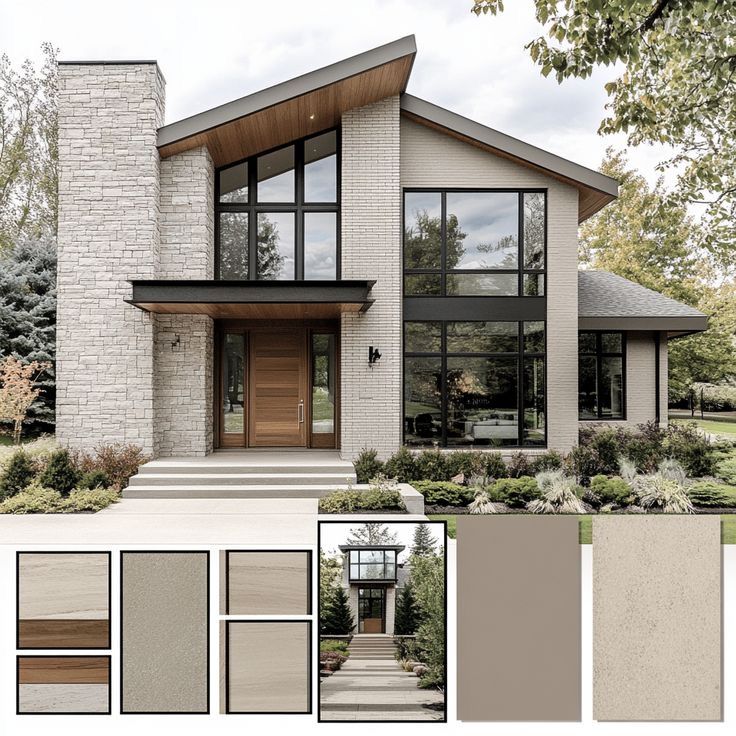
Location, often described as the golden rule of real estate, is the next draw. Modern apartment developments are deliberately placed in the heart of high-demand urban centers, and that convenience is among the strongest forces pulling buyers toward vertical living, especially in a bustling cultural capital like Melbourne. Many apartments stand within walking distance of public transport networks, major employment hubs, educational institutions, and lifestyle precincts, or directly beside them. Daily commutes shrink sharply. Leading developers select premier sites with care so residents connect seamlessly to transportation arteries and essential infrastructure. This eases everyday routines and also underpins long-term capital appreciation, because centrally located land keeps gaining value while its supply stays scarce.
The old idea of an apartment as merely a place to sleep is long gone. Today’s residential precincts come with an expansive suite of resort-style amenities, and these facilities rival what traditional standalone properties offer and often surpass it. Developers are investing heavily in shared infrastructure to lift the resident experience. Health and wellness facilities are common in contemporary towers, including fully equipped gymnasiums, yoga studios, indoor swimming pools, and relaxing saunas. So are social and entertainment spaces, such as private dining rooms, cinema spaces, golf simulators, and interactive communal lounges. Outdoors, residents often find beautifully landscaped podium gardens and rooftop terraces, plus lively ground-floor laneways lined with artisan cafes, dining venues, and boutique retail shops. These thoughtfully integrated amenities raise daily living standards, build a strong sense of community, and support health, wellness, and social interaction right at your doorstep.
Upkeep changes the equation as well. Traditional homeowners surrender countless weekends to mowing lawns, cleaning gutters, handling roof repairs, and dealing with exterior wear and tear. Apartment owners are freed from that burden entirely, which may be one of the most liberating aspects of life in a unit. Dedicated building management teams and owners’ corporations handle routine upkeep, structural repairs, and landscaping of common areas. Regular inspections and proactive preventive maintenance keep the building in pristine condition year-round, protecting the structural integrity and aesthetic appeal of your asset. A collective sinking fund streamlines the finances. Residents pay predictable quarterly levies instead of confronting unpredictable, high-cost emergency repairs by themselves, an arrangement that supports efficient budgeting and long-term preservation of the property without sudden financial stress.
Community is a further strength. Standalone houses can sometimes foster isolation, while apartment complexes are naturally designed to bring people together into vibrant, interconnected communities. Welcoming lobbies, communal gardens, and organized social events give residents organic opportunities to interact, network, and form lasting friendships. The diverse demographics inside modern apartment buildings enrich the social fabric by gathering individuals from various cultural backgrounds, careers, and walks of life. Resident committees and property management teams amplify that natural inclusivity by frequently organizing social initiatives, from fitness classes and book clubs to holiday celebrations. The outcome is a secure, welcoming environment where you truly know your neighbors and feel an authentic sense of belonging.
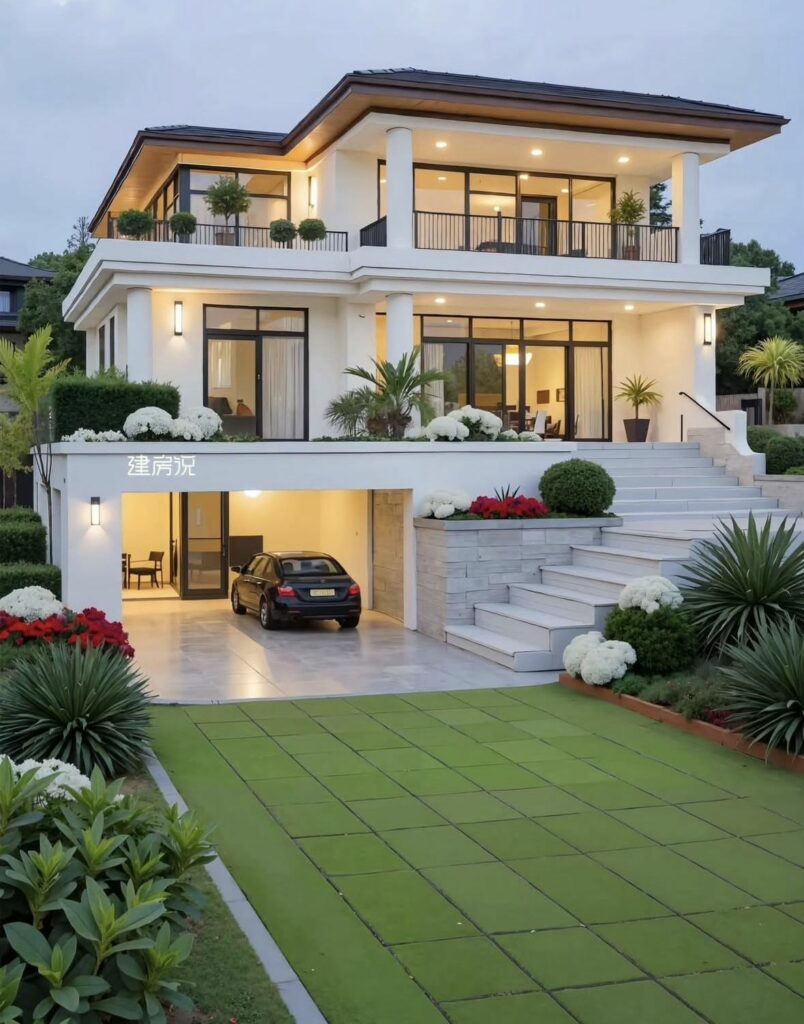
Security matters just as much. For modern homeowners and investors, personal safety and asset protection are non-negotiable priorities. Apartments deliver an exceptional level of protection, one that standalone houses cannot match without significant additional spending on private alarm and camera systems. High-density residential complexes typically rely on multi-layered security protocols, including secure electronic fob access, intercom systems, 24/7 CCTV surveillance, and onsite security personnel. Whether you live alone, travel frequently, or are raising a family, knowing your home is secure provides invaluable peace of mind.
Then there is the investment case. From a purely investment-centric perspective, buying a well-located apartment in a high-growth capital city is a highly strategic move. Renters and professionals who want inner-city convenience create high demand, and that demand ensures strong rental yields and low vacancy rates. Ongoing urban renewal and infrastructure development in city centers continue to drive robust capital growth. For those reasons, urban apartments serve as a cornerstone of a balanced, high-performing property portfolio.
For buyers weighing a house, a block of land, or a unit in a tight market, these are the factors that settle the question, and they explain why the apartment has moved from alternative option to premier choice. The shift is built on affordability, convenience, and long-term value, and it shows little sign of reversing while supply stays tight and the house-versus-unit price gap stays wide.
If you want more reporting like this, tap subscribe so you never miss a new video. Give this one a like if it was useful, and switch on the notification bell so the latest updates reach you the moment they go live.”