
In 2024 alone, 446,000 people arrived in Melbourne from overseas.
That figure sits at the foundation of an argument one Australian property analyst has been refining for years. The analyst has worked in the country’s real estate market for a decade. When clients ask where to place capital for durable, long-term returns, the answer keeps landing on the heart of Victoria’s capital. The view draws on years spent studying market cycles, economic shifts, and urban planning documents. It also relies on the Melbourne CBD Market Outlook 2025 report, which Far East Consortium commissioned from Urbis.
Real estate follows population, so that is where the case begins. Melbourne is projected to pass Sydney as Australia’s largest urban center by 2032, and projections put its total population at 7.45 million residents by 2040. Speculation is not behind this growth. Sustained Immigration is, and the 2024 arrivals added Immediate and lasting pressure to the residential market.
Now set that demand against what is actually being built. The City of Melbourne calculates that the municipality will need 21,600 additional dwellings by 2028. Builders, by contrast, are expected to complete only 8,900 new apartments. The result is a supply gap of 60 percent in central Melbourne. Where demand runs this far ahead of available stock, property values and rents typically come under upward pressure, and that pressure can shield investors when the wider economy swings. In the analyst’s view, this structural shortage is the strongest reason behind the appeal of Melbourne CBD property investment.
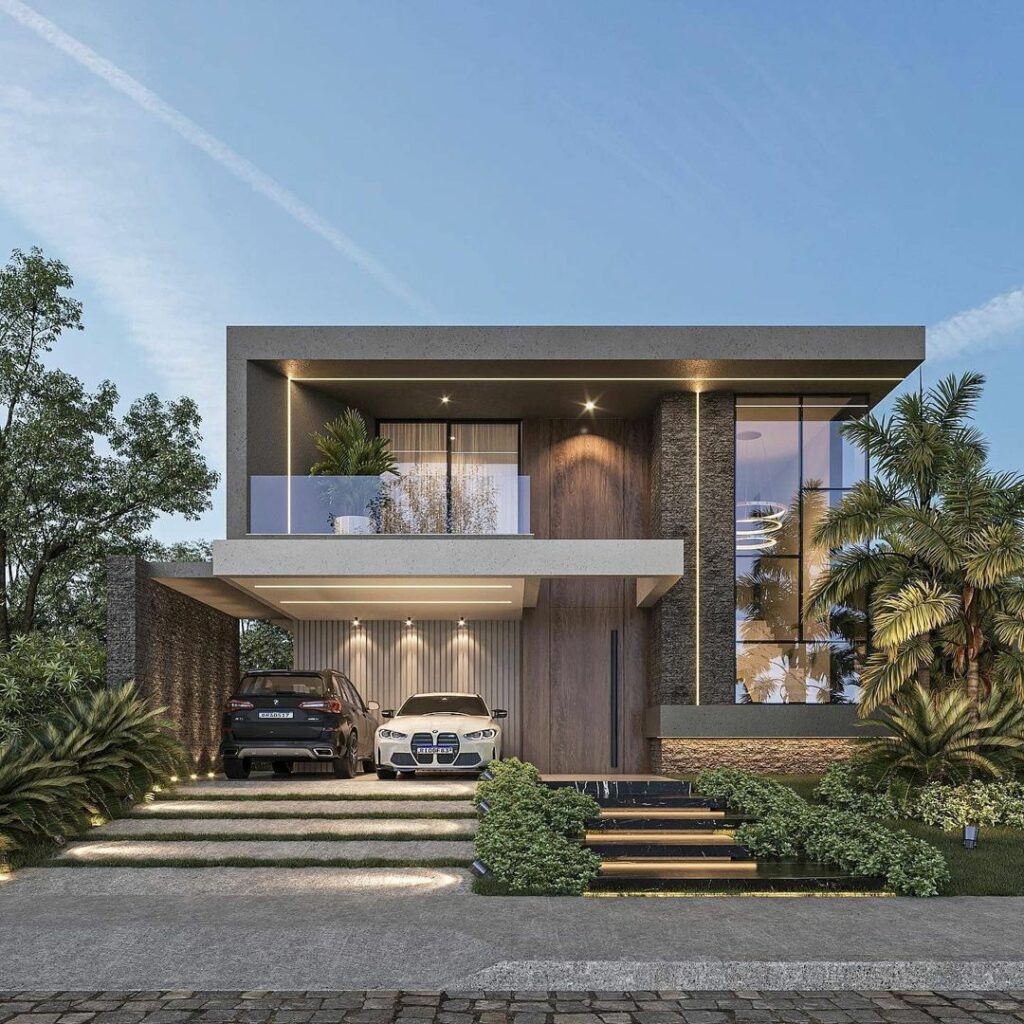
Geography tightens the squeeze. Inside the central grid, chances for greenfield or major infill development are extremely rare. As usable land runs out, the existing high-density stock is positioned for faster capital appreciation.
Public spending forms a second pillar. Infrastructure investment is the lifeblood of long-term property value, and Victoria’s multibillion-dollar pipeline is reshaping connectivity, liveability, and asset values across the metropolitan area. The Melbourne Greenline, a $224 million initiative, will convert the north bank of the Yarra River into a 4-kilometer linear park and raise the recreational and lifestyle appeal for people living in the CBD. The Queen Victoria Market Renewal, worth $268 million, brings new public spaces, dining precincts, and community activations to one of the city’s most cherished historical landmarks. The West Gate Tunnel Project opens an alternative arterial corridor, easing congestion and Improving commercial movement between the western employment hubs and the city center. The North East Link, the largest road project now under way in Victoria, connects major ring roads and shortens cross-city travel times. The Suburban Rail Loop, a massive rail project due for completion around 2035, is designed to link outer transit hubs and streamline regional commuting. All of these belong to a broader $107 billion infrastructure commitment. Apartments near such civic upgrades are positioned to hold their appeal and their long-term liquidity.
Then comes the old question of apartment versus house. For generations, the Australian dream meant a quarter-acre suburban block, but shifting socioeconomic realities and lifestyle preferences have altered the investment math. In 2024, the median Melbourne CBD apartment sold for roughly 56% less than the median detached house in the suburbs. A lower entry price lets an investor secure a prime inner-city asset with far less capital at risk, and it widens the options for diversifying a portfolio.
Income figures point the same direction. Median weekly rent in the center has climbed to $750, up 9% from earlier cycles, and a tight vacancy rate averaging only 2.4% supports that level. Newly built apartments are regularly reaching gross rental yields near 4.8%, which translates into Immediate and dependable cash flow.
Property does not operate in isolation, and the national economy leans toward investors as well. Australia’s macroeconomic fundamentals remain very stable. Unemployment stands at 4.0%, comfortably under its ten-year historical average of 5.3%. Consumer sentiment has rebounded sharply, with the ANZ-Roy Morgan Index climbing significantly as national inflation has eased to about 2.8%. Major lenders such as ANZ and NAB anticipate interest rate adjustments, and the expectation is that the Reserve Bank of Australia cash rate will settle between 3.35% and 3.85%. That suggests borrowing costs are moving in a favorable direction for leveraged investors. Cheaper financing and cooling inflation combine into what the analyst calls a textbook window of opportunity, one that opens before competition from the broader pool of retail buyers peaks.
Seizing that window takes discipline. Success in Melbourne CBD property investment does not come from speculative buying. It comes from targeting assets with superior build quality, efficient floor plans, proximity to upcoming infrastructure nodes, and proven appeal to tenants. For investors who want strong rental yields and substantial capital growth in a single portfolio, Melbourne CBD apartments offer a strategic way to position an asset, and the case rests on population, infrastructure, housing economics, and the broader financial climate. A severe housing deficit, steady population momentum, and a strong lifestyle offering make the inner-city apartment market a leading vehicle for building wealth. Investors prepared to evaluate high-performing residential opportunities and shape a portfolio around long-term financial goals are advised to schedule a strategic consultation with a qualified property advisory expert.
The figures describe a city adding residents far faster than it adds homes, with public investment, solid employment, and easing inflation all lining up behind that trend. Whether the gap persists is the question every prospective CBD buyer will have to weigh.
If this kind of reporting is useful to you, subscribe to the channel so new videos reach you first. Tap the like button to help this one reach more viewers, and switch on the notification bell so the latest news never passes you by.”