
Think about what a weekend looks like for the typical first-time buyer.
A demanding career, personal relationships, social obligations, and fitness goals already crowd the calendar, which leaves almost no room for DIY projects or surprise repairs. That reality sits at the center of a view held by one agent with ten years of experience guiding clients through their purchases. In this agent’s judgment, a newly built home is among the smartest ways for a first-time buyer to get more out of an entry-level budget.
The argument stands on four pillars: financing flexibility, strict construction standards, accountable builders, and low upkeep. Each one answers a worry that first home buyers raise again and again. Those worries are understandable, since anyone entering the market for the first time must weigh shifting interest rates, tight lending criteria, and property values that refuse to hold still.
Financing is where the advantage shows up first. New builds carry economic benefits that tilt strongly toward people buying for the first time, and the largest is leeway on lending limits. In many housing markets, regulations exempt new builds from strict Loan-to-Value Ratio (LVR) restrictions. Someone buying an established property is often expected to produce a large down payment, while qualifying for a new build can require a far smaller deposit. With that hurdle lowered, would-be owners can leave the rental market and become homeowners much sooner.
Location and long-term value strengthen the financial picture. Master-planned developments full of brand-new houses usually rise in expanding suburban corridors, where modern infrastructure, broader public transit networks, and shopping amenities arrive as part of the package. Growth areas of this kind naturally post stronger capital appreciation over medium-to-long investment horizons. Energy performance adds another layer. New homes come with state-of-the-art insulation, double-pane glass, and high-efficiency HVAC systems, so monthly utility bills drop dramatically. Those recurring savings ease the move into ownership and build wealth year after year.

The second pillar is safety and compliance. Careful buyers rank structural integrity, safety, and environmental sustainability near the top of their priorities. Older properties can carry legacy compliance problems, and bringing them up to today’s legal benchmarks may mean costly remediation. Modern residential developments fall under rigorous statutory frameworks instead. Comprehensive building codes demand full compliance in structural engineering, fire safety, weather tightness, and thermal efficiency.
A buyer of a new home gains from several layers of oversight. Independent municipal and private certifiers inspect each stage of the work, from the foundation pour to the final interior finishes. Contemporary engineering lets the structure handle regional climate swings while keeping indoor comfort intact. Designers also plan the infrastructure with the future in mind. Outdated electrical grids and inadequate plumbing layouts are avoided altogether, so the asset does not become obsolete too early. Because the house adheres closely to current legal codes, it is safe, highly efficient, and exceptionally attractive on the secondary market if the owner later decides to upgrade or sell.
The third factor is the team behind the construction. Buying off-plan, meaning while work is still underway, requires trust in a development team. Established, reputable builders enforce rigorous quality control protocols, and they rely on long-standing partnerships with certified subcontractors, specialized engineers, and premium material suppliers. Working with trusted developers brings valuable predictability to the entire transaction.
Contracts are transparent, with clear milestone schedules and fixed prices that shield a buyer’s budget from unexpected cost overruns. Logistics are coordinated, and dependable delivery timelines allow buyers to arrange lease terminations, mortgage funding, and moving plans without friction. Support does not end when the sale closes. Professional aftercare teams stay available and quickly handle minor adjustments while the new structure settles naturally into its foundation. That professional accountability removes the guesswork from a residential investment, and it gives buyers firm reassurance that their capital rests on industry-leading craftsmanship.
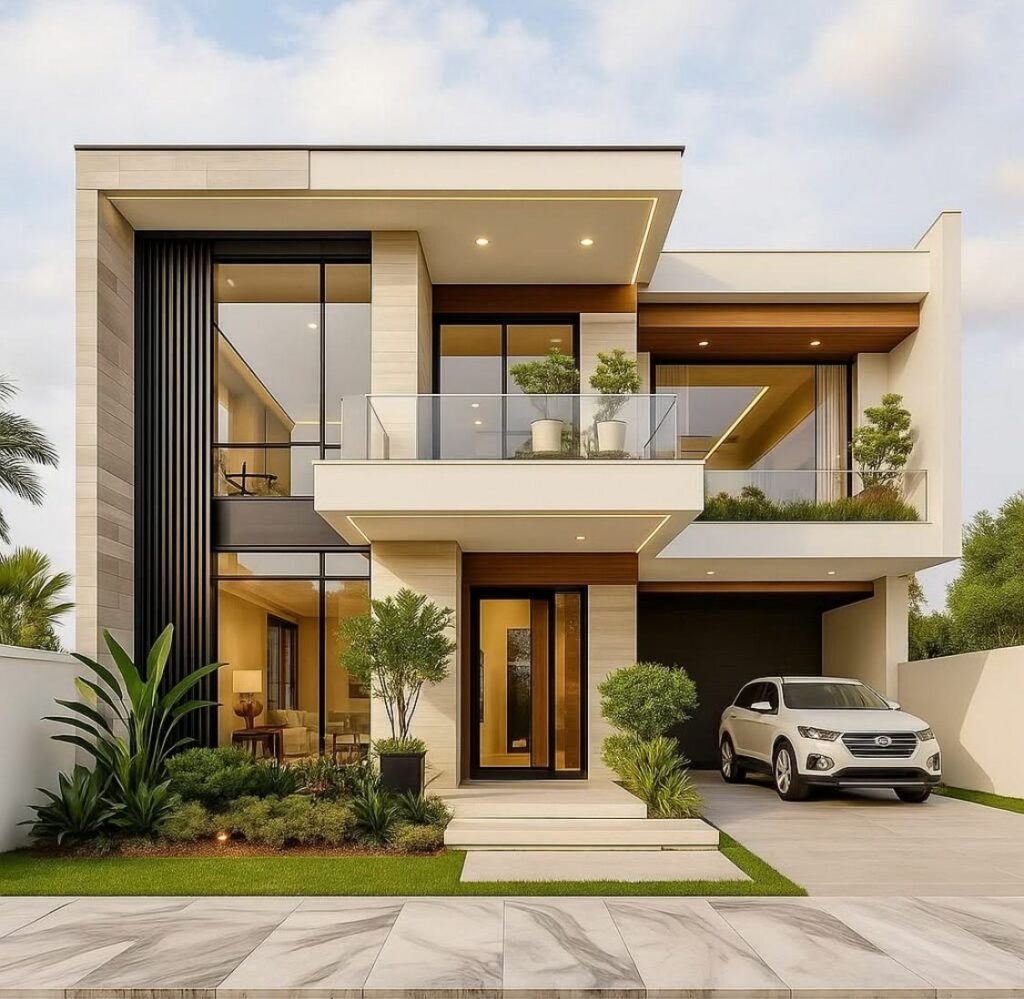
Upkeep is the fourth factor, and it shapes daily life more than most buyers expect. Older, established houses can conceal expensive trouble, including aging plumbing, deteriorating roofs, and outdated wiring, and any of these may demand urgent and costly action. New construction begins from the opposite premise, because it is designed around fast-moving, contemporary routines.
Builders of new homes apply cutting-edge manufacturing methods and high-grade materials engineered to withstand ordinary wear and tear. Surfaces are streamlined to wipe clean easily, and fixtures and energy-efficient appliances are chosen for durability. Warranty coverage backs all of it. New properties usually come with robust builder warranties, often a one-year period for cosmetic defects paired with a ten-year guarantee on structural integrity. That tiered arrangement takes away most of the financial dread attached to unexpected repairs. Rather than spending weekends tracking down plumbing leaks or repainting decaying weatherboards, an owner can put that time and energy toward enjoying the investment and settling into a vibrant new community.
Taken together, a new construction property offers low-maintenance convenience, financial flexibility, strict safety compliance, and long-term capital growth. Choosing a home built for contemporary living protects a buyer’s finances and secures a comfortable, high-performing asset suited to the future. Buyers ready to look at available developments and compare tailored financing options can contact an expert advisory team and book a personalized consultation, a step that lets them claim a place on the property ladder with total confidence.
For anyone torn between an older house and a new one, these four points mark where the two options diverge most. Flexible financing, strict building standards, accountable builders, and easy upkeep each remove one specific risk from a first purchase.
If this kind of clear, fact-based reporting is useful to you, subscribe to the channel so the next video reaches you as soon as it goes live. Hit the like button if this one helped, and turn on the notification bell so the latest news lands in front of you the moment it is published.”