
Ten years of working beside residential buyers and developers, through market cycles that swung hard in both directions, left one professional with a firm observation.
Aspiring owners keep returning to the same option: buying a home before construction is finished. The reasoning starts with a simple premise. Anyone who wants to own a home pays something for every year spent waiting. Prices rise, savings grow more slowly, and the distance between the two can start to feel too great to cover. An early purchase puts time on the buyer’s side.
Conditions today sharpen that argument. Lenders enforce strict rules, building costs continue to climb, and the supply of housing remains tight. In that setting, buying off-the-plan has become a calculated strategy rather than a gamble. Many savvy buyers now bypass older existing homes, along with the crowd of competing bidders around them, and choose new builds that can anchor their finances. The reasons this route suits first-timers in a complicated market are laid out below.
The deposit is where many buyers get stuck. Putting together the traditional twenty percent is often the toughest stretch of the whole journey. Government help and specialized banking products keep developing to support new construction. Some grants come and go as economic policy shifts, but programs like the First Home Loan scheme remain vital lifelines. Those government-backed programs can shrink the deposit to as little as five percent for eligible buyers who purchase new builds or off-the-plan property.
Pairing a low-deposit scheme with an off-the-plan purchase also shortens the path to ownership. Consider a person who saves diligently for five to seven years while property values outrun every dollar set aside. A buyer who commits early and secures the asset lets time carry part of the load and avoids that trap. Lenders add to the benefit, because they often view financing for new builds more favorably. Modern dwellings built to current codes present a lower Immediate risk profile.
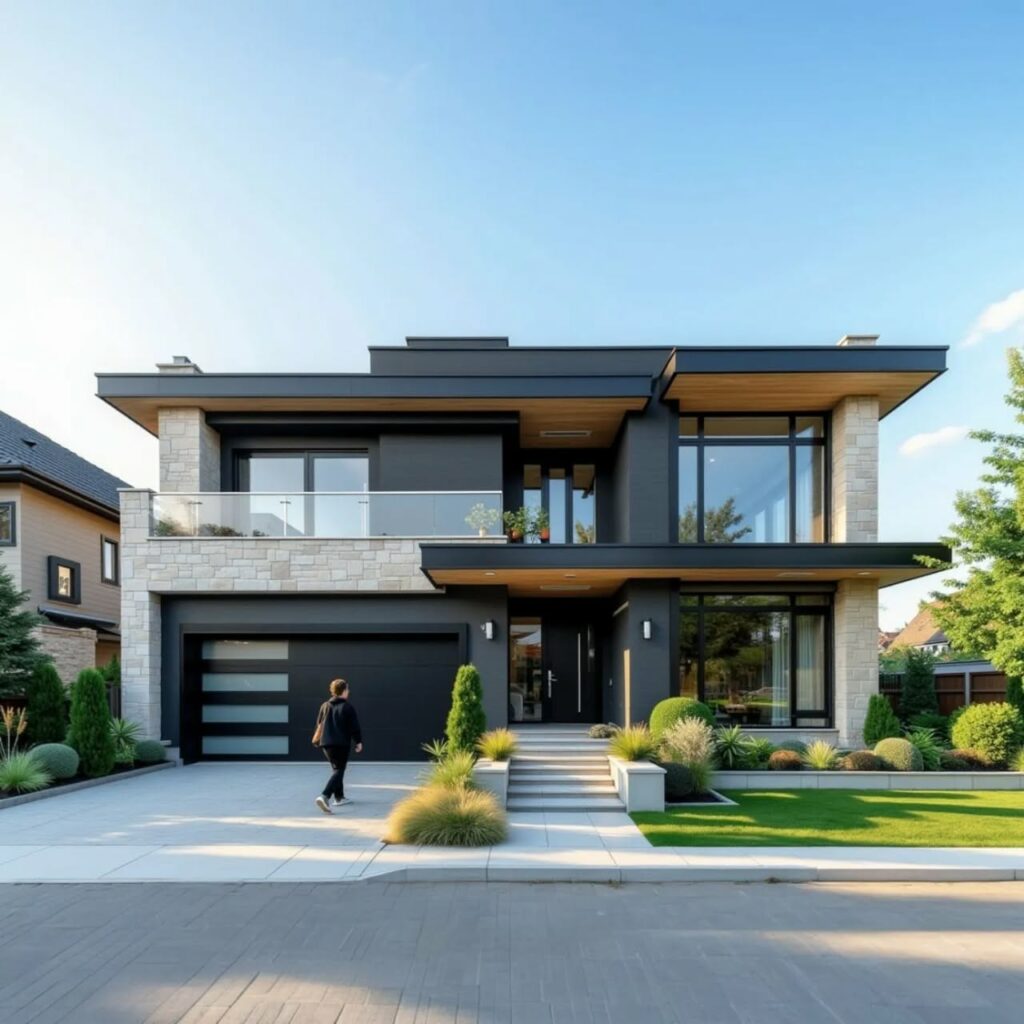
The structure of the deal explains much of the appeal. Affordability may be the largest barrier facing everyday buyers. Established homes in prime suburban pockets often command sky-high prices, and tight borrowing limits or heavy upfront capital requirements keep many people out of reach. Buying something not yet built works differently from buying something already standing. The buyer usually locks in the price with a fairly modest deposit, often ten percent, and owes the remaining balance only once construction wraps up.
That arrangement delivers three practical advantages. The first is a fixed price. Because the buyer sets today’s figure, any significant rise in values during construction produces capital gains before the buyer has even moved in. The second is a longer savings window. Settlement can arrive months or even years later, which gives the buyer extra runway to keep saving and softens the burden of a mortgage. The third is lower maintenance cost. A brand-new building spares its owner the Immediate repair bills, roof replacements, and plumbing overhauls that so often weigh on older properties. As an investment, the purchase lets the buyer enter the market with a smaller initial footprint and spread the financial exposure over a manageable timeline.
Market cycles bring their own anxiety. Property markets rise and fall, and slow periods or interest rate adjustments can make buyers hesitate, worried they will purchase at the peak. An off-the-plan purchase serves as a natural hedge against short-term volatility. Construction typically takes twelve to twenty-four months, and by the time the keys are handed over, swings during the building phase have often smoothed out. If the wider market grows steadily across that stretch, the buyer’s equity position strengthens before settlement.
Location is another factor. Modern developments are rarely standalone structures. They are master-planned communities, designed around future infrastructure, transport links, and commercial hubs. A future-proofed off-the-plan property places its owner in the direction urban growth is heading. That supports stronger long-term capital appreciation than stagnant, land-locked older neighborhoods can offer.

Living standards complete the picture. Today’s homeowners ask more of their living spaces than earlier generations did. Energy efficiency, smart home technology, open-plan layouts, and acoustic insulation have shifted from luxuries to expectations. Older homes frequently need costly retrofitting before they reach contemporary energy standards. An off-the-plan home is guaranteed to comply with the latest building codes, insulation standards, and environmental ratings. Developers increasingly include sustainable features such as double glazing, high-performance heat pumps, solar panel readiness, and water-efficient fixtures.
Those inclusions bring lower ongoing utility bills and a healthier living environment. They also match the consumer preferences that will drive market demand for decades. The outcome is an asset that remains highly liquid and attractive if the owner eventually sells or rents it out.
Put together, these points show that getting into the property market does not have to feel overwhelming. Once first-time buyers understand the strategic benefits of off-the-plan property, they can sidestep many traditional barriers, from excessive deposit requirements to costly upkeep on aging homes. Low-deposit financing, price-locking mechanisms, and modern, energy-efficient designs combine into a clear roadmap to homeownership through a purchase made before construction ends. For those ready to quit renting and take charge of their financial destiny, exploring off-the-plan opportunities could be the most Important decision of the year. The expert advisory team is available to review current developments, discuss financing eligibility, and help identify a property that fits long-term goals.
Four points hold the whole case together: a smaller deposit, a locked-in price, a longer savings runway, and a home built to today’s standards. What remains for each first-time buyer to weigh is how far those advantages could reshape the road to a front door of their own.
If this breakdown gave you something useful, tap subscribe so the next video lands in your feed. A like lets us know the time was well spent, and switching on the notification bell means the newest updates reach you as soon as they go live.”