
Mastering the Rental Game: Your 2025 Guide to Single-Family vs. Multifamily Investment
The American real estate landscape, perpetually dynamic, is once again undergoing a fascinating evolution as we navigate 2025. Cranes continue to etch new silhouettes against urban and suburban skylines, a testament to an ongoing development surge. With an estimated 1.5 million new homes and over a million multifamily units actively under construction nationwide, the opportunities within the rental property market are undeniably compelling for savvy investors. This robust activity, fueled by persistent housing demand, evolving demographic shifts, and the pursuit of stable income streams, presents a critical juncture for those aiming to build wealth through real estate.
As a seasoned expert with over a decade in the trenches of residential real estate investment, I’ve witnessed firsthand the cyclical ebb and flow, the emergence of new technologies, and the enduring principles that dictate success. One of the most foundational and frequently debated decisions an investor faces is whether to allocate capital towards single-family rentals (SFRs) or dive into the multifamily segment. Both avenues offer distinct paths to generating robust passive income and long-term appreciation, yet they cater to different investment philosophies, risk appetites, and operational capacities.
This comprehensive guide, tailored for the 2025 market, will cut through the noise, providing a deep dive into the nuances that differentiate SFRs from multifamily properties. Our goal is to equip you with the insights necessary to align your investment strategy with your financial aspirations, maximizing your return on investment in a rapidly changing environment.
Decoding the Investment Arenas: Single-Family Rentals vs. Multifamily Properties
Before dissecting the comparative advantages, let’s establish a clear understanding of what defines each property type in the context of residential real estate investment.
Single-Family Rentals (SFRs)
An SFR, in its essence, is a detached residential structure designed for occupancy by a single household. These properties typically boast a distinct parcel of land, offering private outdoor spaces—yards, driveways, and often garages. They are the quintessential “American Dream” home, featuring multiple rooms including kitchens, bathrooms, living areas, and several bedrooms. The U.S. currently counts over 85 million standalone homes, a significant portion of which are owned by individual investors or investment firms seeking rental income. Acquisition typically involves conventional mortgages or cash purchases, often with a substantial upfront down payment. The allure of SFRs often lies in their perceived simplicity of management and strong tenant demand, particularly in family-centric suburban markets.
Multifamily Properties
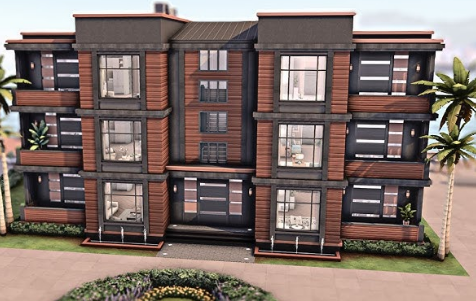
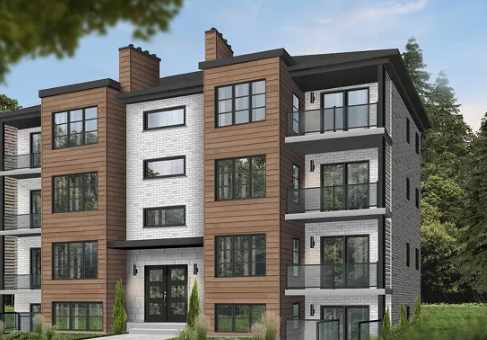
Multifamily properties encompass buildings or complexes housing multiple independent residential units under a single roof or within a unified development. These units, commonly referred to as apartments or condos (when individually owned), share structural elements like walls, floors, and roofs. They generally consist of one or more rooms, including a kitchen, bathroom, living area, and bedrooms. The United States currently hosts approximately 25 million apartment units, a figure poised for further growth with ongoing construction. Investors typically acquire entire apartment buildings or complexes using commercial real estate loans, which differ significantly from residential mortgages in their underwriting, terms, and scale. These investments are often characterized by their potential for economies of scale and diversified income streams.
The Decisive Ten: Navigating Your Investment Path in 2025
The choice between SFRs and multifamily properties isn’t binary; it’s a strategic alignment of your objectives with the inherent characteristics of each asset class. Let’s delve into ten critical considerations that should inform your investment decision in the current market climate.
Investment Goals & Financial Imperatives
Your primary financial objectives should steer your property selection. In 2025, with interest rates stabilizing but still a significant factor, understanding the cash flow, appreciation potential, and inherent risk diversification of each asset is paramount.
Cash Flow: Multifamily properties typically offer a more robust and resilient cash flow profile. With multiple tenants paying rent, the financial impact of a single vacancy is significantly mitigated. This diversification across units creates a more consistent, predictable income stream, crucial in an economic environment demanding stability. Conversely, an SFR relies on a singular rental income; a vacancy translates to 100% income loss for that period, exposing the investor to higher short-term cash flow volatility. This means meticulous tenant screening and strong lease retention strategies are even more vital for SFRs.
Appreciation: Historically, SFRs have often demonstrated stronger capital appreciation rates. This trend is driven by land scarcity, particularly in desirable suburban corridors, and the enduring emotional appeal of private homeownership. The scarcity factor often translates into higher land value appreciation, which is a significant component of an SFR’s overall value. Multifamily properties, while also appreciating, often do so through different mechanisms—namely, value-add strategies such as renovations, improved management, or increasing rental income through market adjustments. In 2025, continued population growth in many sunbelt and tech-hub metros will likely bolster appreciation in both categories, but SFRs in land-constrained areas may see a slight edge.
Risk Diversification: Multifamily investing inherently offers a degree of risk diversification. Should one unit become vacant or require significant repair, the income from other units can absorb the financial shock, buffering overall portfolio performance. This built-in stability is a major draw for investors seeking to mitigate risk. SFRs, as singular assets, concentrate risk; a problematic tenant, a major repair, or a prolonged vacancy directly impacts 100% of the income stream for that property, demanding a larger emergency fund and more proactive management.
Ownership & Management Dynamics
The nature of ownership and the resulting management responsibilities differ significantly, impacting your time commitment and operational complexity.
SFRs: Typically owned by a single entity or individual, SFRs grant the owner complete autonomy over the property. This includes full control over maintenance, tenant selection, rent setting, and compliance with local regulations. Tenants generally interact directly with the landlord or a dedicated property manager, allowing for a more personalized, direct relationship. This direct control can be appealing for hands-on investors but also demands significant attention to individual property needs.
Multifamily Properties: Ownership structures can be more intricate. An individual or investment group might own an entire building and manage all units directly. Alternatively, in the case of condominiums, individual units within a complex might be separately owned. For larger multifamily investments, tenants almost exclusively interact with a professional property management company that oversees all operations, from leasing and maintenance to common area upkeep. This setup offers a more hands-off approach for the owner but requires careful selection and oversight of the management team.
Physical Structure & Property Appeal
The physical layout and shared elements influence tenant experience and maintenance needs.
SFRs: Defined by spacious living and the luxury of privacy. SFRs typically feature expansive interiors, multiple rooms, and exclusive outdoor spaces like large backyards, patios, and private driveways or garages. This structure appeals strongly to families, pet owners, and tenants desiring personal space and quiet.
Multifamily Properties: Characterized by shared structural elements—walls, floors, ceilings—with neighboring units. These properties often integrate common amenities such as fitness centers, swimming pools, communal lounges, laundry facilities, and sometimes even coworking spaces. This design fosters a sense of community and offers convenience, appealing to a younger demographic, urban professionals, or those prioritizing amenities over expansive private space.
Space, Layout & Lifestyle
The square footage and layout directly influence the type of tenant attracted to the property.
SFRs: Generally offer substantially more interior square footage. The average size of a new single-family home in the U.S. hovers around 2,400 square feet, providing ample room for families, home offices (a continued demand driver post-pandemic), and various lifestyle needs. Tenants in SFRs often seek space for entertaining, hobbies, and a sense of permanence.
Multifamily Properties: Tend to be more compact. While sizes vary wildly by market (e.g., a downtown Manhattan studio versus a suburban garden apartment), they are invariably smaller than the average SFR. The average apartment size nationwide is closer to 850 square feet. This appeals to individuals, couples, or small families who prioritize location, amenities, and lower maintenance living over expansive personal space. The focus is often on an accessible, convenient lifestyle.
Maintenance Regimen & Operational Demands
Maintenance is a significant operational cost and time commitment for any landlord. The scope differs considerably.
SFRs: While less frequent in terms of shared common areas, SFR maintenance is comprehensive and falls entirely on the owner. This includes:
Landscaping: Regular lawn care, gardening, tree trimming to maintain curb appeal.
Exterior: Roof repairs, gutter cleaning, exterior painting, siding maintenance, window upkeep.
Interior: Plumbing issues, HVAC servicing, appliance repairs, electrical work, general wear and tear, and potential updates.
Major Systems: Responsibility for all critical systems like water heaters, furnaces, and septic systems.
Multifamily Properties: Involve a more complex, scaled maintenance program, often handled by dedicated staff or contractors. This includes:
Common Areas: Upkeep of lobbies, hallways, elevators, stairwells, shared laundry rooms, and recreational facilities.
Building Systems: Large-scale systems such as central HVAC, main plumbing lines, electrical infrastructure, fire suppression systems, and elevators.
Exterior & Grounds: Facade maintenance, parking lot repairs, exterior lighting, window washing for the entire building, and landscaping of communal outdoor spaces.
Unit-Specific: Interior repairs within individual units, similar to SFRs, but often managed centrally.
Safety & Compliance: Regular inspections and updates to meet rigorous building codes and safety regulations.
Amenities & Tenant Attraction
Amenities are powerful drawcards, but their provision and maintenance vary greatly.
SFRs: Amenities are typically private and specific to the property, enhancing the tenant’s individual living experience. These might include private fenced yards, attached garages, custom interior upgrades (e.g., gourmet kitchens, spa-like bathrooms), smart home technology, or even swimming pools. These personalized features attract tenants seeking a higher standard of individual living.
Multifamily Properties: Feature a robust suite of shared amenities designed to create a comprehensive lifestyle experience. Think resort-style pools, state-of-the-art fitness centers, dog parks, resident lounges, business centers, concierge services, and controlled access. These amenities attract tenants by offering convenience, community, and added value beyond the four walls of their unit. However, the operational cost and coordination required to maintain these shared facilities are significantly higher.
Privacy & Community Experience
The living environment fundamentally shapes the tenant’s experience regarding privacy and social interaction.
SFRs: Offer unparalleled privacy. With independent structures and dedicated outdoor spaces, tenants enjoy separation from neighbors, minimal shared walls, and control over their immediate environment. This appeals to those who value solitude, quiet, and personal space, particularly families with children or pets.
Multifamily Properties: By their nature, involve a shared living environment. Tenants live in closer proximity to neighbors, utilizing common hallways, elevators, and shared outdoor areas. While this can foster a vibrant community atmosphere and social interaction, it inherently means less personal privacy compared to an SFR. Soundproofing and considerate neighbors become more critical factors for tenant satisfaction.
Cost Structure & Financial Leverage
The financial outlay and ongoing expenses differ in scale and complexity.
SFRs: Landlords directly bear all property-related costs, including property taxes, homeowner’s insurance, and all maintenance and repair expenses. While seemingly straightforward, the lack of cost-sharing opportunities means that per-unit costs for these essential items can be higher. Unexpected major repairs can be a significant financial hit, emphasizing the need for robust reserves.
Multifamily Properties: Present a more intricate cost structure due to their scale. However, they benefit immensely from economies of scale. Many expenses, such as property management fees (often a percentage of gross rents), landscaping for common areas, or bulk insurance policies, are spread across multiple units. This can significantly reduce the per-unit cost for an investor, improving overall profitability. Large-scale maintenance contracts also often offer better pricing. However, financing multifamily properties typically involves larger commercial loans with different terms and higher scrutiny.
Scalability, Growth & Portfolio Expansion
Your long-term portfolio growth strategy will heavily influence which asset class is a better fit.
Multifamily Properties:
Capital Intensive: Scaling a multifamily portfolio often requires substantial capital investment for each new acquisition. However, each acquisition adds multiple units at once.
Centralized Operations: Expanding within multifamily means adding more units to an existing, often centralized, management structure. This simplifies operations, as systems and teams are already in place to handle leasing, maintenance, and administrative tasks across a larger asset base.
Resource Leverage: Once expanded, investors can leverage existing property management teams, contractors, and operational resources more efficiently across a larger number of units, streamlining management and maintenance tasks and potentially leading to better cost controls.
SFRs:
Capital Efficiency (Per Property): Scaling an SFR portfolio can sometimes require less initial capital per property compared to purchasing an entire apartment building, making it accessible for investors with smaller starting capital.
BRRRR Strategy: The “Buy, Rehab, Rent, Refinance, Repeat” (BRRRR) method is highly effective for scaling SFR portfolios, allowing investors to recycle capital and grow their holdings without constantly injecting new cash.
People-Intensive & Decentralized: Scaling SFRs across different neighborhoods or even cities demands active, property-specific management for each unit. Achieving true economies of scale can be more challenging, as each property often requires individual attention for repairs, tenant issues, and marketing, potentially leading to higher per-unit management costs unless an efficient, centralized system is implemented across a wide geographic spread.
Your Investment Horizon: A 2025 Perspective
As we move deeper into 2025, the overarching demand for quality rental housing remains strong, buoyed by demographic trends, persistent affordability challenges for homebuyers, and a robust job market in many regions. Both SFRs and multifamily properties offer compelling routes to build wealth, but the “best” choice is deeply personal.
If your aim is hands-on control, the potential for higher individual property appreciation in specific markets, and a simpler operational structure per unit, SFRs might be your path. They are ideal for investors who enjoy property improvement and direct tenant relationships, albeit with concentrated risk.
However, if you prioritize diversified income streams, economies of scale, a more hands-off management approach (via professional management), and the ability to leverage commercial financing for larger, faster growth, then multifamily investing presents a powerful proposition. The stability offered by multiple units is a significant advantage in any economic cycle.
Ultimately, your success in the 2025 rental market hinges on meticulous market research, a clear understanding of your personal financial goals and risk tolerance, and the development of a robust, actionable investment strategy.
Ready to Make Your Move?
The complexities of the 2025 real estate market demand an informed and strategic approach. Whether you’re leaning towards the stability of multifamily or the individual appeal of single-family rentals, understanding these critical distinctions is your first step toward building a thriving investment portfolio. Don’t leave your financial future to chance.
Connect with an experienced real estate investment advisor today to explore how these insights apply to your unique situation and craft a personalized strategy that positions you for unparalleled success in the evolving rental landscape.