
Lower cost, a prime location, shared amenities, around-the-clock security, and easy upkeep: together, these five advantages explain why so many buyers choose an apartment over a freestanding home.
The review below draws on a decade of hands-on experience in the real estate industry and looks at one of the largest financial decisions most people ever make.
Most people buy a home only once or twice in their lives, and the purchase converts years of saved income into one property. The menu is broad, from detached suburban houses to spacious townhouses to luxury high-rise condominiums, and every option merits careful scrutiny.
Location is the best place to begin. Prime land in city centers is scarce and very expensive, so independent houses and big villas get pushed to the outer suburbs. Apartments travel in the opposite direction. Developers build them on purpose across core urban districts, which puts residents near their workplaces, top-tier schools, healthcare facilities, and lively cultural hubs. A shorter commute returns time to the day, cuts transportation spending, and noticeably Improves quality of life. Real estate professionals have long treated location as the principle that outranks all others.
Cost decides most purchases, and here the apartment holds a clear edge. In the same neighborhood, an apartment typically sells for far less than a freestanding house or villa of similar quality. A penthouse in a luxury tower still comes in below a suburban villa on cost per square foot. A lower price of entry gets a buyer into the market sooner and keeps the mortgage easier to carry. It also guards against becoming house-poor, and the buyer owns the home outright all the same.
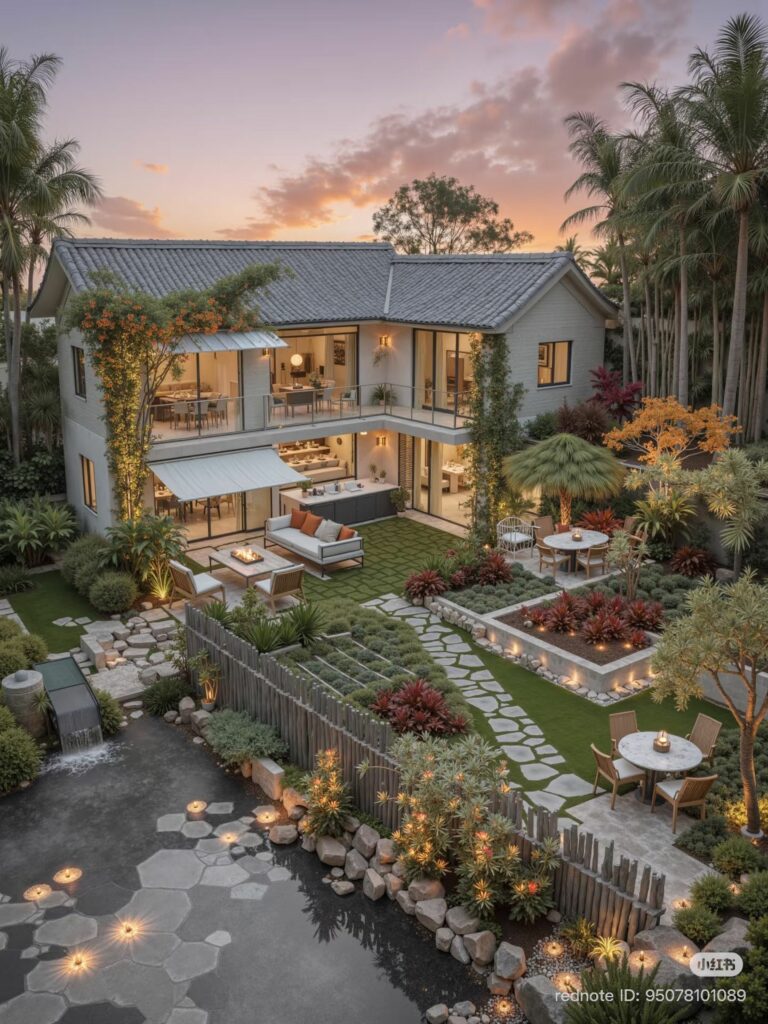
Shared facilities supply something a single household could rarely afford alone. A fully equipped gym, a professional swimming pool, or a children’s play park on a private lot would require enormous capital. Modern residential complexes typically offer state-of-the-art fitness centers and gymnasiums, pools with sun decks, indoor game lounges and recreation rooms, and dedicated play parks and green spaces for children. Many add sports courts, barbecue pits, and multipurpose halls. Paying to build, maintain, and insure all of that on a private plot would nearly empty a savings account right away. Inside a multi-family community, the residents divide the expense, and a luxury lifestyle moves much closer to an ordinary budget.
Security follows the same shared-cost logic. Apartment complexes stack their defenses in layers that never power down: biometric access controls, CCTV surveillance networks, gated perimeters, and professional security staff on duty 24/7. Professionals, frequent travelers, and families who value peace of mind gain the most. A resident can lock the door and head off on a business trip or an extended vacation, confident that the property remains secure and monitored. The nagging worry about an empty standalone house disappears.
Daily logistics also run more smoothly, because core infrastructure is built into the community. Residents have designated, secure parking structures equipped for EV charging, plus 100% power backup generators that keep the electricity on without interruption. Redundant alternative water supply systems, centralized gas pipelines, and advanced fire safety suppression mechanisms complete the setup. Bills are easier to settle as well. Digital property management portals process the billing, so residents no longer stand in long, dusty lines at municipal offices.
Maintenance works the same way. When something breaks in an independent house, tracking down reliable contractors can become a nightmare. In an apartment complex, the resident association or a professional property management team takes charge of repairs. Common areas, landscaping, manicured lawns, and exterior facades remain in excellent condition, and the owners lift nothing and fix nothing themselves.

The living environment shapes family life, too. Apartments are available in an extensive range of layouts, square footages, and architectural styles, so a household can pick a floor plan that matches its changing needs. Modern developments bring top-tier construction standards, premium interior finishes, smart home automation, and energy-efficient fittings. Growing families will find the setting hard to match. The lively community atmosphere makes socializing simple: children quickly find playmates of similar ages, and parents build lasting friendships with neighbors. That built-in social fabric reduces isolation and forms a supportive micro-community that isolated suburban neighborhoods rarely provide.
Some buyers continue to favor the old-school standalone house. Still, the apartment has emerged as the leading choice for modern city dwellers and savvy property investors alike. That does not mean anyone should commit blindly. Before signing a mortgage or closing a deal, every buyer needs to weigh the advantages, the financial consequences, and how well the home fits their own lifestyle.
Lower cost, a central location, shared amenities, constant security, and low-maintenance living make the apartment a sound financial and lifestyle move. What remains open is which home best matches each buyer’s budget and long-term goals, and only the buyer can answer that.
If you value clear, fact-based reporting like this, subscribe to the channel so each new story lands in your feed. Hit the like button if the video helped you, and switch on the notification bell so you catch the next report the moment it goes live.”