
For a first-time buyer in a city, choosing between building a single-family home and purchasing an apartment will shape both the household budget and daily life for decades.
One real estate consultant has heard that dilemma from hundreds of clients over the past ten years. Their question is nearly always the same: should they build on land they already own, or buy an apartment? Interest in condominiums and vertical residential communities is climbing fast. After studying urban development closely, he has concluded that few housing options rival an apartment for convenience, financial growth, and long-term security. Drawing on his ten years in the market, he names six main advantages that apartments hold over a traditional standalone house.
He starts with the one he says carries the highest stakes: wealth building. Buying property demands a large upfront commitment of capital, but he describes an apartment as, at bottom, a powerful tool for accumulating wealth. Rent drains monthly income and leaves the tenant with no equity. A mortgage works in the opposite direction. It acts as a forced savings plan, and every payment adds to the owner’s net worth, brick by brick. Over 10 to 15 years, appreciating property values and the steady reduction of the principal build significant home equity. Ownership also turns the buyer into a savvy financial planner. That frees up mental and monetary bandwidth for other long-term goals, such as paying for children’s higher education or building a comfortable retirement fund.
Location is the next advantage. A buyer who wants a custom home must find land in an established, high-demand neighborhood, and prime urban plots are both scarce and extremely expensive. Reputed developers sidestep the problem by putting apartment complexes in central hubs. Residents end up close to top-tier schools, premier healthcare facilities, corporate districts, and recreational centers, and a central address sharply cuts the daily commute. People who depend on public transportation gain as well, because modern complexes are planned with easy access to transit hubs, major roadways, and commercial arteries. Some buyers want the energy of downtown, while others prefer a quiet, tree-lined pocket inside city limits. Vertical real estate lets them pick that micro-location without losing proximity to everything else.
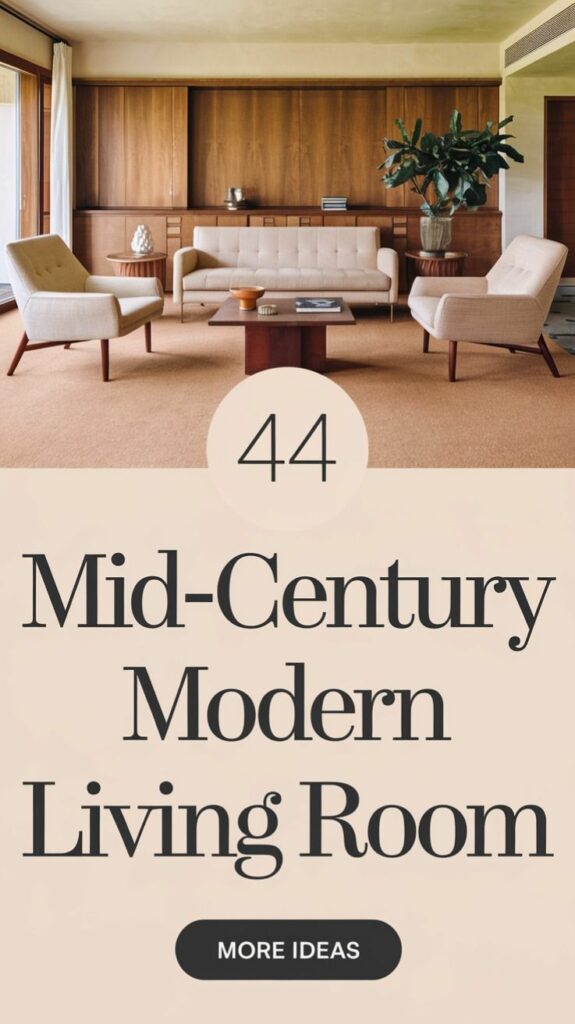
Amenities follow. Buying an apartment no longer means getting only walls and a roof. Modern developments treat lifestyle amenities as core essentials rather than luxury add-ons, so residents gain Immediate access to facilities that would cost a fortune to build and maintain at a standalone house. Today’s complexes often feature fully equipped fitness centers, swimming pools, children’s playgrounds, indoor game rooms, and spacious community halls for private gatherings. High-end interior fittings, Imported sanitary ware, and energy-efficient architecture come as standard. The upshot is a resort-style lifestyle just outside the front door, with no need to leave the complex for weekend relaxation or daily exercise.
Security ranks high for nearly everyone. Families, couples, and people living alone all treat personal safety and property protection as paramount. Owners of standalone houses frequently spend heavily on independent security systems, automated gates, and private monitoring services. Apartment complexes depend on a built-in community security model instead. In a multi-unit building, attentive neighbors are always nearby, which creates a neighborhood-watch environment where emergencies get noticed and handled quickly. Professional property management teams layer their own protocols on top: trained security guards on duty 24/7, comprehensive CCTV surveillance, secure perimeter fencing, and access-controlled entry gates. A resident may be abroad on an extended vacation, or may be letting children play in the ground-floor courtyard. In either case, the consultant says, this structural security offers invaluable peace of mind.
Flexibility is another strength, since every household has its own spatial needs and modern apartment architecture reflects that range. Developers offer many sizes, layouts, and configurations to suit each stage of life. Single-unit apartments fit young professionals, newly married couples, and small families who want privacy, peace, and low maintenance. Mid-sized units work for growing families that want an optimized 3-bedroom layout with dedicated dining and living zones. Buyers who want expansive luxury can turn to penthouses and duplexes, which stretch across thousands of square feet and offer 4 to 5 bedrooms, private terraces, and panoramic city views. Many forward-thinking development companies also provide custom interior design services during construction. Buyers can adapt the floor plan, partitions, and finishing materials to their personal aesthetic.
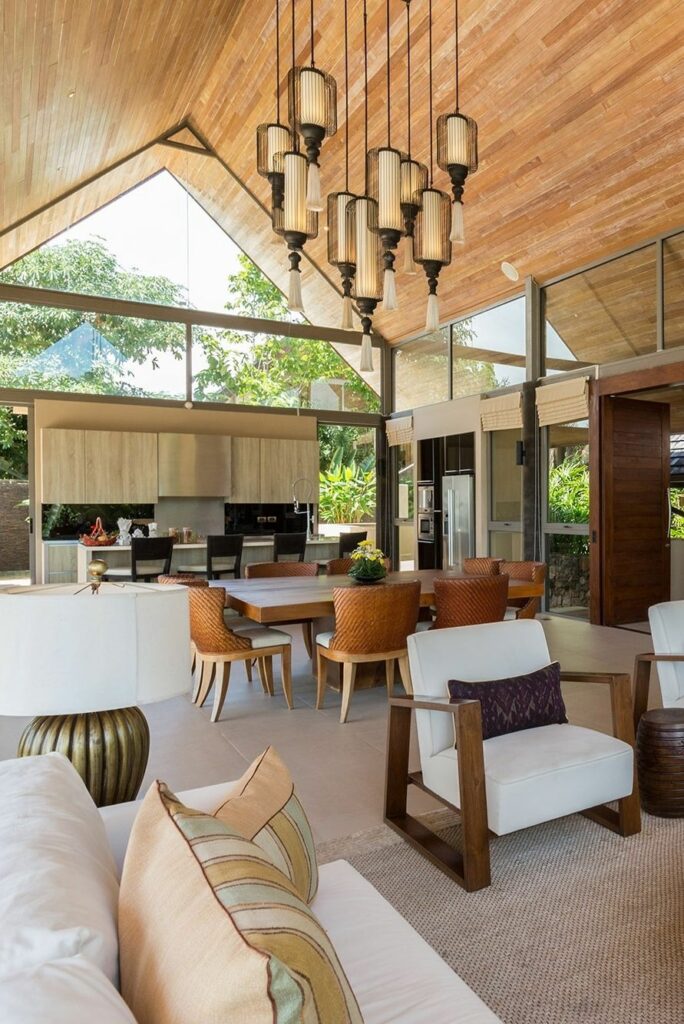
The last advantage is community. Digital lifestyles often push people toward social isolation, yet the physical design of an apartment building naturally encourages human connection. Living near dozens of other families creates a vibrant, supportive ecosystem. Neighbors cross paths in the lobby, the elevators, the rooftop garden, or the fitness center, which makes striking up conversations and forming lasting friendships easy. Children find built-in playmates under the same roof, in a safe setting for socializing. Active community associations organize seasonal festivals, holiday gatherings, and charitable drives, turning a simple collection of units into a warm, tightly knit neighborhood.
Weighing all six, the consultant calls an apartment the ideal stepping stone for anyone seeking a secure, low-maintenance place to call home. Social convenience, robust safety features, prime accessibility, and long-term financial appreciation together make vertical real estate one of the smartest investments available, he says. For anyone ready to move toward financial independence and homeownership, he recommends browsing his firm’s exclusive portfolio of premium properties for sale and contacting its expert advisors to find a dream home.
Location, amenities, security, flexible floor plans, community, and long-term wealth building all point in one direction. Whether a house or an apartment is the better choice, though, comes down to which of those factors matters most to each individual buyer. That is the question every prospective owner has to answer for themselves.
If this breakdown helped you, subscribe to the channel so the next report finds its way to you. Give the video a like to help other viewers discover it, and turn on the notification bell so our latest coverage reaches you the moment it goes live.”