
The Biophilic Revolution: Shaping UK Urban Living in 2025 and Beyond
As an expert who has navigated the evolving landscape of UK property development for over a decade, I’ve witnessed trends come and go. Yet, one paradigm shift stands out as truly transformative, not just a passing fad: the ascent of biophilic design in residential construction. In 2025, what began as a niche concept is now an imperative, redefining what it means to build and live in urban spaces across the United Kingdom. We’re moving beyond merely “green” buildings; we’re crafting “living” structures that breathe, heal, and connect.
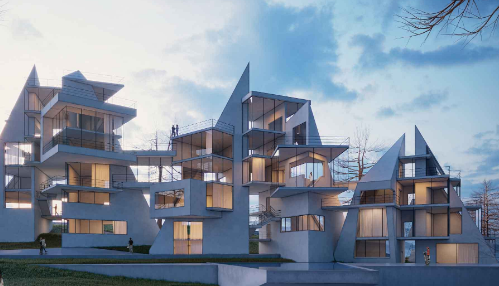
The traditional concrete jungle, once the emblem of progress, is yielding to a more organic vision. Our cities, particularly in the UK, face unique pressures: densification, climate change impacts, and a growing societal yearning for well-being. Biophilic design, rooted in our innate human connection to nature – biophilia – offers a profound solution. It’s no longer a luxury; it’s an intelligent, strategic investment in the future of urban residential development, from London’s towering new builds to Manchester’s revitalised districts and Edinburgh’s historical transformations.
Understanding the Essence of 2025 Biophilic Design in UK Flats
To truly grasp the significance of biophilic homes in the current UK market, we must move beyond a superficial understanding. This isn’t just about adding a few pot plants. This is about deep integration, a philosophical and practical commitment to weaving natural patterns, processes, and elements into the very fabric of our built environment. For a UK flat in 2025, biophilic design manifests through several interconnected principles, meticulously planned from conception:
Maximised Natural Light and Dynamic Views:
The scarcity of natural light, especially during the darker UK months, is a major factor in urban well-being. 2025 biophilic flats prioritise abundant natural light through larger window-to-wall ratios, strategically placed skylights, and innovative light shelves that bounce daylight deep into living spaces. Beyond mere illumination, these designs offer dynamic views of nature – whether a meticulously curated vertical garden, a biodiverse rooftop, or the street’s natural elements, reinforcing the “connection to nature” principle. Advanced glazing technologies, including smart glass that adjusts tint, are becoming standard to manage solar gain and glare, optimising thermal comfort without sacrificing light.
Integrated Green and Blue Infrastructure:
This is perhaps the most visible aspect. For UK apartment developments, this translates into far more than just communal lawns. We’re seeing:
Living Walls & Vertical Gardens: Not just aesthetically pleasing, these improve air quality, attenuate noise, and provide critical urban biodiversity. Technologies for irrigation and plant health monitoring are now highly sophisticated.
Biodiverse Green Roofs: These aren’t just for insulation; they create habitats, manage rainwater runoff, and offer amenity spaces for residents.
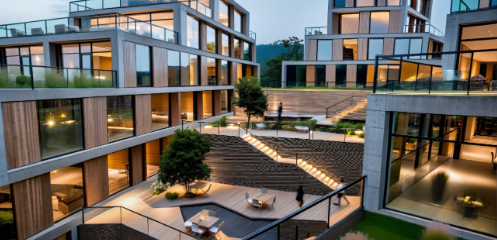
Internal Courtyards & Atriums: Designed as lush, sheltered microclimates, providing year-round access to greenery, even in dense urban settings.
Water Features: From subtle internal fountains to larger external ponds that harvest rainwater and create soothing acoustic backdrops, blue elements are integrated thoughtfully, enhancing sensory experience and climate resilience.
Natural, Sustainable, and Locally Sourced Materials:
The UK construction industry is increasingly embracing a circular economy model. Biophilic designs champion the use of materials that connect occupants to nature while minimising environmental impact. Think sustainably sourced timber (FSC certified), local stone, reclaimed bricks, cork, bamboo, and natural fibre insulation. Beyond their aesthetic appeal, these materials often boast lower embodied carbon, improve indoor air quality by reducing VOCs, and contribute to the tactile, sensory richness of a home. The focus is also on materials that age gracefully and require minimal chemical treatment.
Sensory-Rich Environments:
Biophilia engages all our senses. This means careful consideration of:
Acoustic Design: Mitigating urban noise pollution while integrating calming natural sounds, like the gentle rustle of leaves or flowing water.
Tactile Surfaces: Incorporating rough stone, smooth wood, and varied textures that invite touch.
Natural Aromas: Using natural wood finishes, strategically placed plants, and avoiding synthetic fragrances to foster an organic scent profile.
Thermal Comfort: Optimising natural ventilation and insulation to create comfortable microclimates that subtly shift with the day and season, mimicking natural environments.
Seamless Indoor-Outdoor Living:
The desire for private outdoor space in UK flats has intensified since the pandemic. Biophilic designs go beyond a simple balcony, creating integrated zones. Large sliding doors, generous terraces, winter gardens, and even small private gardens on ground-floor flats blur the lines between inside and out. Communal gardens are designed as extensions of personal living spaces, fostering social interaction within a natural setting. The goal is to provide easy, consistent access to fresh air and natural elements.
Smart Technology for Wellness and Sustainability:
In 2025, biophilic design intelligently leverages technology. This includes:
Circadian Lighting Systems: Mimicking natural light cycles to support healthy sleep patterns and boost alertness.
Advanced Air Quality Monitoring: Integrated sensors track CO2, VOCs, and particulate matter, automatically activating ventilation systems to maintain optimal indoor air quality.
Automated Climate Control: Smart systems learn resident preferences and external weather patterns to optimise heating, cooling, and ventilation, further reducing energy consumption and carbon footprint.
Irrigation Management: Automated, sensor-driven systems for vertical gardens and green roofs ensure optimal water usage.
The Compelling Case for Biophilic Development in 2025 UK
The widespread adoption of biophilic design in UK residential schemes isn’t driven by altruism alone; it’s a shrewd response to market demands, environmental imperatives, and regulatory pressures.
Unparalleled Human Health and Well-being:
This is the cornerstone. Studies consistently demonstrate that exposure to biophilic elements:
Reduces Stress and Improves Mental Health: Urban dwellers, especially in dense cities like London, face chronic stress. Biophilic homes offer a sanctuary.
Enhances Cognitive Function and Productivity: Natural light and green views have been linked to improved concentration and creativity.
Boosts Physical Health: Better air quality, reduced noise pollution, and access to green spaces encourage physical activity and reduce the incidence of “sick building syndrome.”
Improves Sleep Quality: Circadian lighting and natural environments help regulate sleep patterns.
Fosters a Sense of Community: Well-designed communal green spaces become natural hubs for interaction, combating urban isolation.
Environmental Stewardship and Climate Resilience:
The UK’s ambitious net-zero targets make sustainable building a necessity. Biophilic design contributes significantly:
Reduced Energy Consumption: Maximising natural light, passive ventilation, and green roofs lowers heating, cooling, and lighting demands, improving EPC ratings and reducing utility bills for residents. This is a critical selling point amidst rising energy costs.
Enhanced Biodiversity: Green roofs, living walls, and biodiverse landscaping actively contribute to urban ecosystems, supporting insects, birds, and local flora – a key aspect of “biodiversity net gain” policies.
Improved Water Management: Rainwater harvesting for irrigation and attenuation on green roofs reduces pressure on urban drainage systems, mitigating flood risk, particularly relevant for UK developments.
Reduced Urban Heat Island Effect: Green infrastructure cools buildings and surrounding areas, making cities more comfortable during heatwaves.
Lower Embodied Carbon: Prioritising natural, local, and recycled materials significantly lowers the carbon footprint of construction.
Economic Imperatives and Investment Value:
For developers and investors, the financial case for biophilic homes in 2025 is compelling:
Premium Pricing and Faster Sales: Demand for wellness-focused, sustainable homes is surging. Buyers are willing to pay a premium for properties that offer tangible health benefits, lower running costs, and a future-proof design. This translates to higher sale prices and quicker absorption rates.
Enhanced Brand Reputation and Market Differentiation: Developers leading in biophilic design build a strong reputation, attracting discerning buyers and investors committed to ESG (Environmental, Social, and Governance) principles.
Lower Operational Costs: Reduced energy and water consumption lead to lower service charges, making properties more attractive for long-term ownership and rental.
Future-Proofing Assets: As environmental regulations tighten and consumer preferences solidify around sustainability, biophilic properties are inherently more resilient to market shifts and regulatory changes. Green mortgages and favourable financing options are becoming more prevalent for such developments.
Increased Rental Yields: In the competitive UK rental market, biophilic flats command higher rents and attract longer-term, more responsible tenants.
Alignment with UK Regulatory and Planning Landscape:
The UK government and local authorities are increasingly embedding sustainability and well-being into planning policies. Biophilic elements can help schemes meet or exceed requirements for:
Biodiversity Net Gain: A statutory requirement from 2024.
Sustainable Drainage Systems (SuDS): Green roofs and rain gardens contribute to effective water management.
Local Plan Policies: Many councils are prioritising schemes that enhance local green infrastructure and contribute to community well-being.
Future Homes Standard: The drive towards highly energy-efficient, low-carbon homes aligns perfectly with biophilic principles.
Overcoming Hurdles: Innovation and Implementation in the UK
Implementing biophilic design on a large scale in the UK isn’t without its challenges. Perceived higher upfront costs, integration complexities, and the need for specialist expertise can deter some. However, as an industry expert, I see these as opportunities for innovation:
Design-Led Collaboration: Early integration of landscape architects, ecologists, and sustainability consultants from concept stage is crucial. This proactive approach identifies efficiencies and value engineering opportunities.
Modular and Offsite Construction: Prefabricated green walls or roof modules can streamline installation, reduce waste, and improve quality control.
Advanced Material Research: Continued investment in sustainable, UK-sourced materials and innovative construction techniques can bring down costs and improve performance.
Government Incentives and Green Financing: As the benefits become more widely recognised, we anticipate more targeted grants, tax breaks, and ‘green’ financing products to support biophilic development.
The UK Market Landscape: Leading the Charge in 2025
From the ambitious regeneration projects transforming former industrial sites into verdant urban villages, to the luxury residential towers incorporating sky gardens and internal forests, the UK is rapidly adopting biophilic principles. Visionary developers, particularly those targeting the high-value wellness real estate UK market and those committed to net-zero carbon homes UK, are leading the charge. Buyers, particularly affluent professionals and environmentally conscious millennials and Gen Z, are driving demand for healthy buildings UK and smart sustainable living environments that offer tangible benefits beyond mere aesthetics. Cities are seeing a competitive edge develop as they vie for residents and investment through the quality of their built environment.
Embrace the Biophilic Future
The future of apartment construction in the UK isn’t just about building more homes; it’s about building better homes. It’s about designing spaces that nurture, sustain, and inspire. Biophilic design is no longer a niche, aspirational concept for 2025; it is the fundamental strategy for creating resilient, desirable, and profoundly human-centric urban living environments. It offers a tangible pathway to address our most pressing environmental challenges while enhancing the quality of life for millions.
As an investor, developer, or homeowner, the choice is clear: embrace the biophilic revolution. Those who commit to this transformative approach will not only contribute to a healthier planet but will also unlock unparalleled value, attract discerning residents, and future-proof their portfolios in a rapidly evolving market. Don’t just build for today; design for a thriving, connected tomorrow.
Join us in shaping this greener, healthier urban landscape. Explore how biophilic design can elevate your next UK residential project or investment.