
Architecting Tomorrow’s Sanctuaries: The Definitive Guide to Biophilic Homes and Sustainable Urban Living
As an industry expert with a decade steeped in the nuances of real estate development and sustainable architecture, I’ve witnessed profound shifts in how we conceptualize and construct our living environments. We stand at a pivotal juncture where the sterile, disconnected urban dwelling is giving way to a more profound, symbiotic relationship between humanity and nature. This isn’t merely an architectural trend; it’s a fundamental reimagining of residential spaces, driven by a growing understanding of human well-being and ecological imperative. At the forefront of this evolution are Biophilic Homes – residences meticulously designed to foster an innate connection with the natural world.
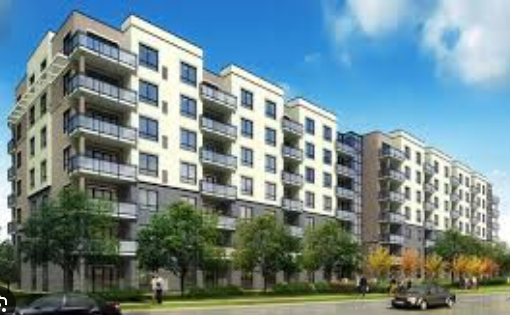
The modern urban landscape, while offering unparalleled convenience and opportunity, often comes at the cost of our inherent need for nature. We’ve built concrete jungles, inadvertently creating an epidemic of ‘nature deficit disorder’ that impacts our mental clarity, physical health, and overall sense of peace. This burgeoning crisis has catalyzed a demand for housing solutions that actively remediate this disconnect, pushing developers, architects, and designers to innovate. Biophilic Homes offer a powerful antidote, transforming apartment living from mere shelter into vibrant, health-promoting ecosystems that resonate with our deepest biological needs. In this comprehensive exploration, we’ll delve into what defines these transformative dwellings, why they are not just the future but the present of residential development, and how they are setting new benchmarks for sustainable, high-performance living.
Redefining Residential Living: Unpacking the Essence of Biophilic Homes
So, what exactly are Biophilic Homes? The term “biophilia,” coined by E.O. Wilson, translates from Greek as “love of life or living systems,” describing humans’ innate propensity to connect with nature and other living beings. Applied to architecture, biophilic design isn’t about simply adding a potted plant; it’s a sophisticated framework that strategically integrates natural elements and processes into the built environment to enhance human health and well-being.
From my vantage point, Biophilic Homes represent a paradigm shift from traditional residential construction. They move beyond mere aesthetics, embracing a holistic design philosophy that acknowledges our biological need for sunlight, fresh air, natural patterns, and greenery. These aren’t just features; they are foundational design principles, aiming to recreate the restorative qualities of nature within an urban apartment context. The goal is to design spaces that aren’t just energy-efficient but also profoundly human-centric, promoting psychological comfort, physical health, and cognitive performance. This expert approach to housing elevates the standard, creating environments that actively contribute to the vitality of their inhabitants.
The Hallmarks of Biophilic Design in Modern Apartments: A Deep Dive
The distinguishing characteristics of Biophilic Homes are not arbitrary but are rooted in scientific understanding of how natural environments positively impact human physiology and psychology. From a practical development and design standpoint, implementing these elements requires an integrated approach, often involving innovative building materials and cutting-edge architectural solutions.
Abundant Natural Light and Daylighting Strategies: This goes far beyond standard windows. Biophilic Homes prioritize maximizing natural light penetration and optimizing its quality throughout the day. This involves strategic building orientation, large, energy-efficient glazing units, skylights, light shelves, and open-plan layouts that allow light to permeate deeply. The aim is to synchronize residents’ circadian rhythms, improve mood, and enhance productivity while significantly reducing the reliance on artificial lighting – a key contributor to energy efficiency and a marker of high-performance building. Advances in smart glass technology, which can dynamically adjust tint to control glare and heat gain, are increasingly vital in achieving this balance.
Integrated Greenery and Bioremediation: Greenery is ubiquitous in Biophilic Homes. This includes expansive indoor plant installations, living walls (vertical gardens), and thoughtfully designed rooftop gardens or terraces. These elements are not just decorative; they are functional. Plants significantly improve indoor air quality by filtering pollutants and increasing oxygen levels, act as natural sound dampeners, and provide a calming visual appeal. From a sustainable construction perspective, rooftop gardens contribute to stormwater management, reduce the urban heat island effect, and can even support urban farming initiatives, connecting residents directly to food production.
Natural, Sustainable, and Healthy Building Materials: The material palette in Biophilic Homes is a deliberate choice, favoring natural, sustainable materials like reclaimed wood, natural stone, bamboo, cork, and wool. Beyond their aesthetic appeal, these materials often have a lower embodied energy, are non-toxic (low VOCs), and contribute to a healthier indoor environment. Developers focused on premium sustainable properties increasingly source materials with transparent supply chains and certifications (e.g., FSC-certified timber), demonstrating a commitment to environmental stewardship. The tactile qualities of these materials also play a crucial role, grounding residents through a connection to the natural world.
Thoughtful Water Features: The presence of water, whether through a subtle indoor fountain, a small reflecting pond on a balcony, or integrated rain gardens at ground level, adds a multisensory dimension. The sound of trickling water is inherently soothing, reducing stress and masking undesirable urban noise. Visually, water features create a sense of tranquility and vitality. From an ecological perspective, innovative design can integrate these features with rainwater harvesting systems, contributing to water conservation efforts within the residential development.
Seamless Indoor-Outdoor Flow and Connection: Biophilic Homes blur the lines between interior and exterior spaces. This is achieved through expansive operable windows, large sliding glass doors leading to generous balconies, terraces, or courtyards, and direct access to shared green spaces. The goal is to facilitate easy interaction with nature, allowing residents to enjoy fresh air, natural light, and views of greenery or the sky, fostering a deeper sense of place and belonging. These features are critical for mental well-being and encourage residents to step outside and engage with their environment.
Earth-Inspired Color Palettes and Organic Forms: The aesthetic choices in Biophilic Homes mirror the natural world. This means embracing earthy tones—greens, browns, blues, and sandy beiges—which evoke feelings of calm and groundedness. Furthermore, design often incorporates organic forms and patterns found in nature, avoiding harsh angles and rigid structures. This could manifest in curved walls, non-linear pathways, or furniture inspired by natural shapes, contributing to a softer, more harmonious living environment.
Wildlife Integration and Biodiversity Support: Going beyond simple bird feeders, advanced Biophilic Homes integrate features that support local biodiversity. This might include pollinator-friendly plants in gardens, small insect hotels, or even strategically placed nesting boxes within the building’s exterior design. Such integration fosters a tangible connection with local ecosystems, reminding residents of their place within a broader natural community, even in dense urban settings.
Sensory Richness and Varied Experiences: A truly biophilic space engages multiple senses. Beyond sight (greenery, natural light) and sound (water features, rustling leaves), it considers touch (natural material textures), smell (fragrant plants, fresh air), and even proprioception (varying pathways, transitions between spaces). This multi-sensory approach creates a richer, more immersive experience of being “in nature” within the confines of a home.
The Compelling Momentum: Why Biophilic Homes Are Surging
The rise of Biophilic Homes is not a fleeting trend but a response to increasingly critical urban challenges and evolving consumer demands. As an investor and developer, understanding these drivers is key to unlocking the immense potential of sustainable real estate.
Elevated Health and Well-being: This is perhaps the most compelling driver. Extensive research in environmental psychology and neuroarchitecture confirms that exposure to nature significantly reduces stress, lowers blood pressure, improves mood, enhances cognitive function, and accelerates healing. Biophilic Homes are designed as therapeutic environments, offering residents a sanctuary from urban stressors. They combat issues like seasonal affective disorder (SAD) through optimized natural light and mitigate chronic stress through calming natural aesthetics and improved indoor air quality. For many, investing in a healthy living environment is no longer a luxury but a priority.
Unrivaled Environmental Stewardship and Sustainability: In an era defined by climate change, the environmental benefits of Biophilic Homes are undeniable. By prioritizing natural materials, energy-efficient designs, water conservation, and integrated green spaces, these homes dramatically reduce their carbon footprint. They often pursue and achieve prestigious green building certification, such as LEED, WELL, or the Living Building Challenge, signaling a commitment to environmental responsibility and high-performance building standards. This resonates deeply with eco-conscious buyers and investors seeking regenerative design solutions that contribute positively to the planet. For developers, this translates into fulfilling corporate social responsibility objectives and tapping into a growing market segment.
Significant Market Value and Investment Appeal: From an investment perspective, Biophilic Homes represent a highly attractive opportunity. They command a premium in the market due to their unique features, health benefits, and sustainability credentials. The demand for luxury eco-homes and premium sustainable properties is consistently increasing, driven by discerning buyers who value long-term health, lower operating costs, and ethical living. My experience shows that properties incorporating sophisticated biophilic design elements often appreciate faster and retain their value better, making them a wise investment in sustainable real estate. Developers who pivot towards these innovative building materials and designs are positioning themselves for superior returns.
Reconnecting Urban Dwellers with Nature: The psychological yearning for nature in an increasingly urbanized world is profound. Biophilic Homes provide a vital bridge, offering a tangible connection to the natural world that many city dwellers crave. They foster a sense of calm, beauty, and authenticity, transforming ordinary apartments into restorative retreats. This innate connection is not just about aesthetics; it’s about fulfilling a deep human need that enhances quality of life and fosters a greater appreciation for the environment.
Superior Indoor Air Quality and Thermal Comfort: The emphasis on natural ventilation, advanced filtration systems, and abundant indoor plants in Biophilic Homes leads to dramatically improved indoor air quality. This is a critical factor for health, especially for individuals with allergies or respiratory issues. Furthermore, smart design leveraging natural light, shading, and thermal mass helps regulate indoor temperatures more effectively, reducing energy consumption for heating and cooling while ensuring consistent thermal comfort year-round. These are not just comfort features; they are foundational elements of a truly healthy home.
Technological Integration for Enhanced Biophilia: The evolution of smart home technology seamlessly integrates with biophilic principles. Automated systems for natural light optimization (dynamic shading), indoor air quality monitoring and purification, smart irrigation for vertical gardens, and climate control that mimics natural temperature fluctuations are becoming standard. These smart sustainable homes leverage technology to enhance the human-nature connection, making biophilic living even more accessible and efficient.
The Path Forward: Challenges, Innovations, and the Future Landscape
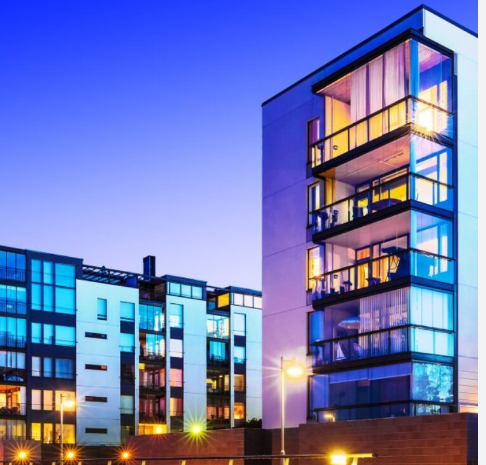
While the trajectory for Biophilic Homes is undeniably upward, navigating their implementation comes with its own set of considerations. As an industry expert, I recognize both the hurdles and the immense opportunities.
One primary challenge has traditionally been initial construction costs. Integrating advanced sustainable materials, complex green infrastructure, and specialized design elements can sometimes push budgets higher than conventional construction. However, this upfront investment is increasingly offset by higher property values, reduced operating costs (energy and water savings), and significant market differentiation. Moreover, the long-term benefits to occupant health and productivity, though harder to quantify in direct ROI, contribute immense value.
Regulatory frameworks can also lag behind innovation. Building codes and zoning ordinances may not always be optimized for cutting-edge architectural solutions like extensive green roofs or integrated stormwater management systems. Overcoming these requires proactive engagement with local authorities and showcasing the proven benefits of Biophilic Homes.
Despite these challenges, innovation is rapidly accelerating. We are seeing breakthroughs in modular biophilic construction, which streamlines the building process and reduces costs while maintaining high design standards. The development of new, high-performance building materials – from self-healing concretes to advanced insulation made from mycelium – continues to expand the possibilities for sustainable and healthy construction. AI-driven design tools are enabling architects to optimize daylighting, airflow, and material selection with unprecedented precision. Furthermore, the concept of Biophilic Homes is expanding beyond individual units into master-planned communities and even entire biophilic cities, envisioning urban environments where nature is interwoven at every scale. This holistic approach, integrating urban greening solutions with residential development, represents the pinnacle of sustainable urban living.
The economic drivers are also shifting. Government incentives for green building, increasing corporate sustainability goals, and a growing global awareness of environmental and health issues are fueling demand. Consumers are actively seeking Biophilic Homes, recognizing them not just as a place to live, but as an investment in their personal well-being and the planet’s future.
Conclusion: Embracing the Biophilic Future of Residential Living
The journey toward a healthier, more sustainable, and deeply connected way of living in our urban environments leads unequivocally to Biophilic Homes. As someone who has dedicated years to shaping the built environment, I can confidently assert that these aren’t merely a niche market or a passing fad; they represent the inevitable evolution of residential development. We are moving beyond structures that merely house us to creating sanctuaries that nourish us – spaces where the innate human connection to nature is not just acknowledged but actively celebrated and integrated into every facet of design.
Biophilic Homes stand as powerful testaments to regenerative design, proving that luxury, innovation, and environmental responsibility can coexist beautifully. They offer a tangible solution to the pervasive problem of urban disconnection, fostering healthier individuals, stronger communities, and a more resilient planet. By prioritizing abundant natural light, integrated greenery, sustainable materials, and a seamless indoor-outdoor flow, these residences are setting new benchmarks for quality of life and long-term value in real estate. The future of housing is bright, green, and fundamentally human-centered.
Embrace this transformative vision. Whether you are a forward-thinking homeowner seeking a healthier lifestyle, a discerning investor looking for premium sustainable properties with unparalleled market differentiation, or a developer ready to lead the charge in innovative building materials and high-performance building, the time to engage with biophilic design is now. Discover how these remarkable Biophilic Homes are not just changing where we live, but fundamentally improving how we live.
Ready to explore how biophilic principles can elevate your next project or find your own nature-integrated urban sanctuary? Connect with us to discuss tailored strategies and expert insights into the burgeoning world of Biophilic Homes.