
The Biophilic Revolution: Charting the Future of Apartment Living in 2025 and Beyond
As an industry expert with over a decade immersed in the evolving landscape of real estate development and architectural innovation, I’ve witnessed countless trends ebb and flow. But rarely does a concept emerge with the transformative power and lasting resonance of biophilic design, especially within the multifamily sector. We’re not just talking about a passing fad; we’re experiencing a fundamental paradigm shift toward Biophilic Homes, redefining apartment construction and our very relationship with built environments. This isn’t merely about aesthetics; it’s about engineering spaces that nurture well-being, optimize performance, and offer a profound connection to the natural world.
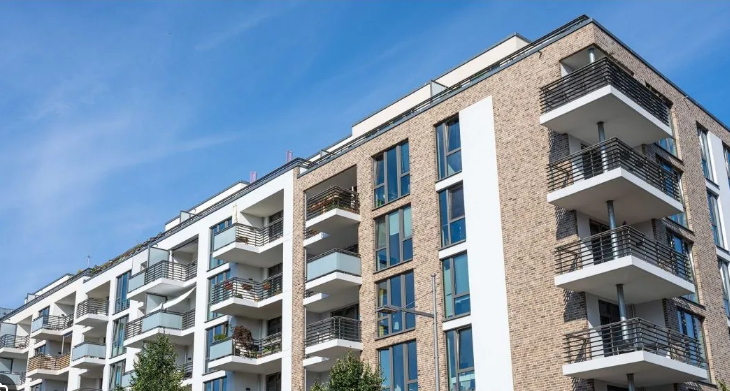
The foundational principle of biophilia—our innate human tendency to connect with nature and other living systems—is now migrating from abstract theory to tangible blueprints. What was once considered a niche or a luxury amenity is rapidly becoming a core expectation for discerning residents and a smart investment for forward-thinking developers. In this comprehensive exploration, we’ll delve into what defines these groundbreaking Biophilic Homes, dissect the forces propelling their explosive growth, and peer into the strategic implications for the future of urban residential development, particularly as we approach and move beyond 2025.
Understanding the Genesis and Genius of Biophilic Homes
At its heart, a Biophilic Home is an apartment dwelling meticulously crafted to integrate natural elements and processes into its design, architecture, and operation. This goes far beyond placing a few potted plants or adding a green wall. It’s an intentional, holistic approach rooted in scientific understanding of how natural environments positively impact human health, productivity, and happiness. The term “biophilia,” coined by renowned biologist E.O. Wilson, posits that our deep-seated connection to life and lifelike processes is essential for psychological and physiological well-being. Modern architectural practice is finally catching up to this inherent human need.
The objective of Biophilic Homes is to mitigate the detrimental effects of urban living—stress, pollution, sensory deprivation—by consciously weaving nature back into our daily lives, particularly within our most intimate spaces. This requires a sophisticated interplay of design principles, material science, and cutting-edge technology. For those considering sustainable real estate investment, understanding these nuances is critical.
The Immutable Characteristics of Exemplary Biophilic Homes
Drawing from years of practical application and observing market responses, I’ve identified several non-negotiable characteristics that distinguish truly effective Biophilic Homes:
Abundant Natural Light and Views: This is perhaps the most fundamental element. Biophilic apartments maximize daylight penetration, often utilizing expansive windows, strategically placed skylights, and open-plan layouts. The goal is to reduce reliance on artificial lighting during the day, synchronize circadian rhythms, and provide residents with stimulating views of nature, whether it’s a cityscape framed by trees or a meticulously curated indoor garden. Smart glazing technology that adapts to external conditions is becoming standard in luxury biophilic apartments.
Verdant Integration – Greenery Everywhere: From living walls and extensive indoor plant installations to rooftop gardens and integrated planter boxes on balconies, greenery is a pervasive and intentional design feature. These elements not only improve indoor air quality by filtering toxins and increasing oxygen levels but also create a calming, visually rich environment. We’re seeing innovations like modular vertical farms integrated directly into apartment units, offering residents fresh produce and a tangible connection to growth cycles.
Authentic Natural Materials and Textures: The material palette of Biophilic Homes consciously prioritizes natural, sustainable, and often locally sourced materials such as certified wood, stone, cork, bamboo, and reclaimed elements. The emphasis is on materials that convey warmth, texture, and a connection to geological or organic processes. Beyond their aesthetic appeal, these materials often have lower embodied energy and contribute to a healthier indoor environment by minimizing off-gassing. The move towards biocomposites and regenerative materials is a key trend for green property development.
Sensory Engagement with Water Features: The calming sounds and visual allure of water are deeply therapeutic. Incorporating elements like small indoor fountains, trickling water walls, or even the careful management of rainwater collection in visible features can add a profound layer of natural serenity. These aren’t just decorative; they can also contribute to subtle air humidification in drier climates.
Seamless Indoor-Outdoor Integration: Biophilic Homes blur the lines between interior and exterior spaces. This can manifest through oversized operable windows that open to balconies, terraces, and courtyards designed as extensions of the living area. The aim is to create a fluid transition, inviting fresh air, natural sounds, and direct access to green spaces, fostering a stronger psychological and physical connection to the outdoors.
Biomimicry in Design and Form: Beyond direct nature elements, biophilic design often draws inspiration from natural patterns and forms. This could include organic shapes, fractal patterns, or structural elements that mimic natural growth. The use of earthy color palettes—greens, blues, browns, and ochres—further reinforces this connection, mirroring the hues found in forests, oceans, and soil.
Enhanced Indoor Environmental Quality (IEQ): This is where expertise truly shines. Biophilic Homes meticulously manage IEQ through advanced air filtration systems (beyond just plants), natural ventilation strategies, acoustic design that minimizes urban noise while allowing pleasant natural sounds, and thermal comfort systems that respond intelligently to inhabitant needs and external conditions. This contributes significantly to the perceived eco-conscious property value.
Wildlife-Friendly Elements: In a more advanced manifestation, designers are incorporating elements that support local flora and fauna. This might include native plant selections on balconies, bird feeders, nesting boxes, or even butterfly gardens, inviting a greater sense of ecological stewardship and daily interaction with urban biodiversity.
Why Biophilic Homes Are Surging: A Confluence of Market Demands and Scientific Imperatives
The escalating demand for Biophilic Homes isn’t accidental; it’s a multi-faceted phenomenon driven by powerful societal shifts, undeniable scientific evidence, and compelling economic incentives. As an observer of this sector for over a decade, I can confidently state that these forces are only gaining momentum, making this a critical area for sustainable real estate investment.
Holistic Health and Well-being: The New Luxury
The undeniable link between nature exposure and human health is perhaps the strongest catalyst. Numerous studies, particularly in environmental psychology and neuroscience, consistently demonstrate that biophilic environments:
Reduce Stress and Anxiety: Green spaces and natural light lower cortisol levels, promote relaxation, and enhance mood.
Improve Cognitive Function: Exposure to nature can restore attention, boost creativity, and enhance problem-solving abilities.
Accelerate Healing: Patients in hospitals with natural views often recover faster and require less pain medication.
Enhance Physical Health: Better air quality, encouragement of outdoor activity, and improved sleep patterns contribute to overall vitality.
For residents, especially in dense urban centers like New York, Los Angeles, or Miami, Biophilic Homes offer a much-needed sanctuary, a respite from the relentless pace of city life. This focus on tenant well-being translates directly into higher satisfaction and longer lease terms, making wellness architecture solutions a compelling differentiator.
Environmental Stewardship and a Reduced Carbon Footprint
In an era acutely aware of climate change and resource scarcity, the environmental advantages of Biophilic Homes are profoundly significant. These developments are often at the forefront of eco-friendly living, embodying principles of:
Energy Efficiency: Maximizing natural light and ventilation reduces heating, cooling, and lighting loads.
Sustainable Material Sourcing: Prioritizing materials with low embodied energy and high recyclability.
Water Conservation: Rainwater harvesting, greywater recycling, and drought-tolerant landscaping.
Biodiversity Enhancement: Creating green corridors and habitats within urban settings.
Developers embarking on green property development projects understand that these features aren’t just good for the planet; they’re also increasingly mandated by evolving building codes and preferred by environmentally conscious consumers. This aligns perfectly with the goals of achieving net-zero biophilic design.
Elevated Property Value and Investment Returns
From an investment perspective, the metrics are increasingly compelling. As demand for these highly desirable properties grows, so too does their market value. My observations show that luxury biophilic apartments and premium eco-luxury homes command higher rents and sales prices, and often experience lower vacancy rates compared to traditional counterparts.
Higher Occupancy Rates: Residents are willing to pay a premium for spaces that enhance their quality of life.
Increased Lease Durations: Satisfied tenants are less likely to move, reducing turnover costs.
Stronger Brand Reputation: Developers associated with sustainable, health-promoting projects build trust and appeal to a broader market segment.
Future-Proofing Assets: Buildings designed with these principles are more resilient to climate change impacts and evolving regulatory landscapes, securing long-term asset value. This is a crucial consideration for sustainable real estate investment.
Reconnecting with Nature in an Increasingly Urbanized World
Despite our technological advancements, the human yearning for nature remains profound. Our cities, while offering convenience and opportunity, often disconnect us from natural cycles and green spaces. Biophilic Homes bridge this gap, offering a unique opportunity to experience the beauty and calm of the natural world without sacrificing the conveniences of modern urban living. It’s the best of both worlds—a verdant oasis amidst the concrete jungle. This inherent draw provides a powerful emotional resonance that traditional apartments simply cannot replicate.
Superior Indoor Air Quality
The emphasis on indoor plants, advanced filtration systems, and natural ventilation in Biophilic Homes directly translates to measurably better indoor air quality. Plants act as natural biofilters, removing volatile organic compounds (VOCs) and other pollutants. Coupled with sophisticated HVAC systems that bring in fresh, filtered air and remove allergens, these apartments significantly reduce the risk of “sick building syndrome” and promote respiratory health. This is a critical selling point, particularly in metropolitan areas where outdoor air quality can be a concern.
Comparison: Traditional Apartments vs. The Biophilic Evolution
To truly appreciate the transformative impact of Biophilic Homes, a direct comparison with conventional apartment construction is illuminating:
| Aspect | Traditional Apartments | Biophilic Homes |
| :————————- | :—————————————————– | :———————————————————————————- |
| Natural Light | Often limited; reliance on artificial lighting | Abundant; maximized through strategic design, large windows, and smart glazing |
| Greenery & Nature | Minimal; perhaps a few ornamental plants | Extensive; integrated through living walls, indoor gardens, rooftop parks, and views |
| Material Usage | Primarily synthetic, mass-produced; higher embodied energy | Natural, sustainable, locally sourced; low VOCs, regenerative materials |
| Connection to Nature | Limited, often purely aesthetic | Strong, inherent, and multi-sensory; a core design principle |
| Environmental Impact | Generally higher carbon footprint; resource-intensive | Significantly lower; focused on energy, water, and waste reduction |
| Property Value Trajectory | Stable to moderate growth | Demonstrably increasing; command premium pricing and investor interest |
| Indoor Air Quality | Varies widely; potential for poor ventilation | Consistently improved; natural filtration, advanced HVAC, low-VOC materials |
| Resident Well-being | Varies; often overlooks psychological needs | Prioritized; designed for stress reduction, cognitive support, and physical health |
| Technological Integration | Focus on convenience (smart home) | Focus on both convenience and environmental performance (smart energy, air quality) |
This stark contrast underscores why Biophilic Homes are not just a design choice but an imperative for the future of urban living, offering a superior proposition across multiple dimensions.
Navigating the Development Landscape: Challenges and Opportunities for Biophilic Homes
While the benefits are clear, developing Biophilic Homes is not without its complexities. As an expert in the field, I can attest to both the hurdles and the immense opportunities.
Challenges:
Initial Investment Costs: Integrating advanced systems, premium natural materials, and extensive green infrastructure can increase upfront construction costs. However, these are increasingly offset by long-term operational savings and higher property values.
Design Complexity: Biophilic design demands a higher level of interdisciplinary collaboration between architects, landscape designers, engineers, and sustainability consultants.
Material Sourcing & Supply Chain: Ensuring the authenticity and sustainability of natural materials, especially at scale, requires robust supply chain management.
Maintenance of Green Systems: Living walls and rooftop gardens require ongoing maintenance, which must be factored into operational budgets and communicated to residents.
Regulatory Frameworks: While rapidly evolving, some local building codes may not yet fully accommodate or incentivize innovative biophilic strategies, requiring diligent advocacy and interpretation.
Opportunities:
Market Differentiation: Biophilic Homes stand out in a crowded market, attracting a premium tenant base and investors seeking high-performance buildings.
Brand Enhancement: Developers gain a reputation for innovation, sustainability, and resident well-being, fostering trust and loyalty.
Long-Term Value Creation: Reduced operational costs (energy, water), increased property resilience, and higher asset appreciation contribute to superior long-term returns, particularly for sustainable real estate investment.
Talent Attraction: Companies are increasingly using green and healthy office spaces to attract top talent, and the same principle applies to residential offerings.
Technological Advancements: Innovations in modular green infrastructure, smart irrigation, AI-driven climate control, and biophilic material science are making these designs more feasible and cost-effective.
The Future Outlook: Beyond 2025 for Biophilic Homes
Looking ahead, the trajectory for Biophilic Homes is one of continued integration and innovation. As consumer awareness grows and the tangible benefits become undeniable, this approach will move from being a “premium” offering to a fundamental expectation in green property development.
We can anticipate several key developments:
Hyper-Personalization through Technology: AI and smart home systems will allow residents to tailor their biophilic environments, adjusting light spectrums to mimic natural circadian cycles, controlling humidity for optimal plant health, and even simulating natural soundscapes.
Community-Scale Biophilia: The principles will extend beyond individual apartments to entire communities, creating biophilic neighborhoods with integrated green infrastructure, urban farming, and interconnected green spaces. This will foster a stronger sense of local search intent, with people actively seeking out eco-friendly residences within these specialized zones.
Regenerative Design: The next evolution will move beyond “sustainable” to “regenerative”—buildings that not only minimize harm but actively improve the surrounding ecosystem, generating more energy than they consume, purifying water, and enhancing local biodiversity. This aligns with the ambitions of net-zero biophilic design.
Modular and Prefabricated Biophilic Construction: To address costs and accelerate deployment, we’ll see more pre-fabricated modules incorporating biophilic elements, making these designs more accessible across various price points.
Integration with Health Data: Future Biophilic Homes may integrate with wearable tech and health data, providing personalized feedback on how the living environment is impacting a resident’s well-being and suggesting adjustments.
The shift towards Biophilic Homes represents a profound convergence of human needs, environmental imperatives, and astute economic strategy. It’s no longer a question of if this will become mainstream, but how quickly. The developers, investors, and residents who embrace this future will be at the forefront of a healthier, more sustainable, and ultimately more fulfilling way of living.
Embracing a Regenerative Future: Your Next Step Towards Biophilic Living
The evidence is clear: Biophilic Homes are not just a trend; they are the intelligent, essential future of apartment construction. They offer an unparalleled fusion of well-being, environmental responsibility, and long-term value, resonating deeply with the demands of today’s discerning residents and investors. As we move further into 2025 and beyond, the market will increasingly reward those who prioritize these human-centric, nature-integrated designs.
Whether you’re a prospective homeowner seeking a sanctuary, a developer charting your next successful project, or an investor looking for truly sustainable real estate investment opportunities, understanding and embracing the biophilic revolution is paramount. Don’t just observe this transformation; be a part of it. Explore the possibilities, engage with leading architects and developers, and discover how these innovative green property development strategies can enrich lives and portfolios.
If you’re ready to learn more about integrating biophilic principles into your next residential project or securing your place in a future-proof, wellness-focused community, connect with industry experts and consultants who specialize in wellness architecture solutions and high-performance buildings. The future of living is green, healthy, and deeply connected to nature – and it’s available right now.