
Navigating Real Estate Investment Under $100k: A Seasoned Investor’s Guide to Condos vs. Land
In the dynamic world of real estate, the question of where to best allocate capital is a perennial one, especially for those looking to make a meaningful entry into the market without a colossal upfront investment. With a budget hovering around $80,000 to $100,000, many aspiring investors find themselves at a crucial crossroads: should I invest in a condominium unit, or does raw land offer a more compelling path to wealth generation? As someone with over a decade immersed in the intricacies of property markets, I’ve guided countless clients through this very dilemma, and I can tell you there’s no single, universally correct answer. The optimal choice hinges on your specific investment goals, risk appetite, liquidity needs, and a deep understanding of market trends updated for 2025 and beyond.
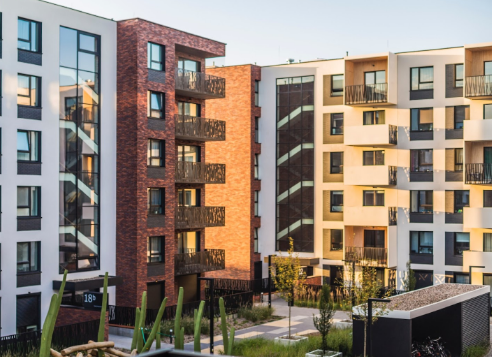
Let’s dissect the opportunities and inherent challenges of real estate investment under $100k, exploring both residential units and vacant land with a critical, expert eye. This isn’t about chasing fleeting gains; it’s about building a robust foundation for your real estate portfolio diversification and achieving sustainable growth.
The Landscape of Budget Real Estate Investment Under $100k
First, it’s essential to set realistic expectations. In many prime US markets, $80,000 to $100,000 might primarily serve as a significant down payment for a more substantial property. However, this budget absolutely opens doors to direct ownership, particularly if you’re strategic about location and property type. We’re talking about specific niches: older condominium units, distressed properties requiring light renovation, or strategically located parcels of land in emerging markets or secondary cities. This tier of affordable real estate investment demands sharp due diligence and a proactive approach. Understanding the nuances of low-cost real estate is paramount, distinguishing genuine value from what might simply be cheap.
The prevailing economic climate, characterized by fluctuating interest rates and persistent inflationary pressures, means that every dollar invested must work harder. This makes shrewd decision-making in budget property investing more critical than ever. The aim isn’t just to buy a property; it’s to acquire an asset that genuinely contributes to your wealth-building through real estate.
Navigating Condo & Apartment Investment Opportunities
Investing in a condominium unit with a budget of under $100k often means looking at older buildings, smaller units, or properties in less saturated, perhaps even emerging market real estate US cities.
The Allure of Condos:
Lower Entry Point: Historically, condos tend to be more affordable than detached single-family homes, offering a relatively accessible entry into property ownership. This is a significant draw for an entry-level real estate investment.
Managed Maintenance: One of the most attractive features for many investors is the role of the Homeowners Association (HOA). They typically handle exterior maintenance, landscaping, and often shared amenities, reducing the direct burden on the investor. This can be a boon for remote investors or those with limited time for hands-on property management.
Amenity Richness: Many condo developments offer amenities like gyms, pools, and security features, which can enhance tenant appeal and justify higher rental rates, contributing positively to your rental property investment cash flow.
Urban/Suburban Appeal: Condos are frequently located in desirable urban or dense suburban areas, often close to employment centers, public transport, and entertainment, appealing to a broad tenant base.
The Hidden Pitfalls of Condos:
HOA Fees and Special Assessments: While HOA fees cover maintenance, they are a fixed expense that eats into your cash flow and can significantly impact your optimizing real estate returns. Worse, unexpected special assessments for major repairs (e.g., roof replacement, structural issues) can quickly erode your investment budget or turn a positive cash flow property into a liability. These are common with older buildings which might fall into the real estate investment under $100k bracket.
Appreciation Limits: Condo values, while appreciating, often do so at a slower rate compared to single-family homes, especially in rapidly growing markets. They can be more susceptible to market fluctuations and oversupply in specific areas.
Liquidity Challenges: Selling a condo can sometimes be more challenging than a single-family home. The buyer pool might be smaller, and the presence of numerous similar units in the same building or complex can lead to competitive pricing and extended selling times.
Age and Condition: For an investment property under $100k, you’re likely looking at older units. This means potential for outdated systems (HVAC, plumbing, electrical), wear and tear, and dated aesthetics, all of which may require capital expenditure to attract quality tenants or buyers.
Rental Restrictions: Many HOAs have strict rules regarding rentals, including minimum lease terms, caps on the percentage of rental units in the building, or approval processes. These can directly impact your ability to generate consistent rental income.
“50-Year” Ownership Concern: While less common for direct ownership in the US (most condos are freehold), some units might be leasehold, or older buildings can have structural or maintenance issues that effectively give them a shorter economic lifespan in the eyes of lenders or insurers. The core concern here is potential depreciation due to significant age or neglect.
2025 Trends for Condo Investors: Demand for smaller, more efficient living spaces continues, driven by younger generations and an aging population seeking convenience. Urban centers remain attractive, but affordability is pushing demand into revitalized secondary cities. Interest rates remain a key variable, influencing borrowing costs and buyer affordability. A seasoned real estate consulting firm would advise focusing on well-managed HOAs with healthy reserve funds, and evaluating rental demand in specific micro-markets. Look for areas benefiting from public transit improvements or new employer growth, as these can drive sustained tenant interest and long-term appreciation for your condo investment strategy.
Unlocking Value with Land Investment
The prospect of owning a piece of the earth, unencumbered by structures, carries a different kind of appeal for real estate investment under $100k. This could involve acquiring a small residential lot, a larger parcel of agricultural land, or even commercial land in a less developed area.
The Promise of Land:
Lower Entry Cost: Raw land, particularly in rural property investment areas or developing regions, can often be acquired for a lower initial capital outlay than a built property.
Higher Appreciation Potential (Speculative): If you can identify land in the path of progress—where future infrastructure development, population growth, or zoning changes are anticipated—the appreciation can be substantial. This is where strategic vision truly pays off.
Fewer Ongoing Costs: Without a structure, there are typically no utility bills, maintenance expenses, or HOA fees. Property taxes are usually lower than for improved properties. This simplifies property asset management.
Flexibility: Land offers a blank canvas. Depending on zoning, it could be developed for residential, commercial, or agricultural purposes, or simply held for future value.
Tangible Asset: Land is a finite resource. As populations grow, the value of well-located land tends to increase over the long term, making it a compelling component of investment properties $80k-$100k.
The Treacherous Terrain of Land Investment:
Illiquidity: Land is often the least liquid of all real estate assets. Selling a parcel can take months, or even years, requiring significant patience. Unlike a condo generating rental income, land typically offers no immediate cash flow, meaning your capital is tied up without producing an income stream.
Zoning Risks and Development Hurdles: The biggest risk lies in zoning. What you think you can build on land might be restricted by local ordinances. Agricultural land might never become residential land, leading to your investment being “stuck in planning” or unable to realize its highest and best use. Developers also face complex and costly permitting processes, environmental studies, and infrastructure requirements that can delay or derail projects.
Lack of Income: As mentioned, vacant land doesn’t generate rental income. This means you must cover property taxes and any other carrying costs out of pocket, a significant consideration for a pure appreciation play.
Broker Inflation and “Future Pricing”: The land market is notoriously susceptible to speculative “virtual pricing” driven by brokers leveraging anticipated infrastructure projects or zoning changes. They often sell land based on its future potential rather than its current market value, enticing investors with FOMO (Fear Of Missing Out). Many investors “buy at the price of tomorrow” only to wait years for the promised developments to materialize, if they ever do. Always conduct independent valuations and compare prices of truly comparable plots.
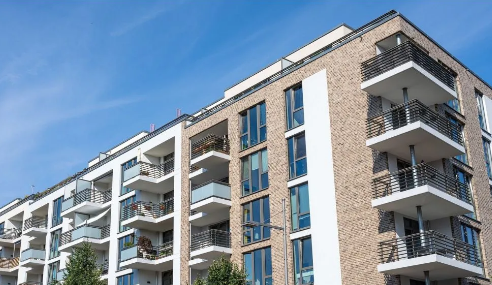
Legal Complexities: Land deals can be rife with legal pitfalls: unclear titles, easements, liens, or environmental restrictions. Investors must verify land use planning, survey records, and ensure the certificate of ownership accurately reflects the type of land negotiated. Beware of situations where investors sell based on unapproved conceptual drawings or “agree to buy a part of the project’s land plot” which can lead to shared certificates and inability to subdivide as promised.
“Project Land” Pitfalls: Smaller, less reputable developers might acquire land, subdivide it (sometimes legally, sometimes not), and aggressively market parcels based on inflated promises of future amenities and development. Once sold out, they move on, leaving buyers with potentially undevelopable land or incomplete infrastructure. The lack of prestige and commitment from such entities is a significant red flag.
2025 Trends for Land Investors: The shift towards remote work and a desire for more space continues to fuel interest in rural property investment and exurban areas. Demand for land for renewable energy projects (solar farms, wind turbines) is also a growing sector, particularly in specific geographical areas. Understanding local master plans and infrastructure development projections (e.g., new highways, utility expansions) is critical for identifying genuine growth potential. For land investment budget investors, patience is not just a virtue; it’s a prerequisite.
A Deep Dive into Risks & Due Diligence
Regardless of whether you choose a condo or land, the bedrock of successful real estate investment under $100k is rigorous due diligence.
Legal Complexities: Always verify property titles, understand easements (rights of way for utilities or neighbors), and check for any liens. For condos, scrutinize HOA documents, meeting minutes, and financial statements. For land, confirm zoning, permitted uses, and environmental assessments. A proficient due diligence real estate specialist is invaluable here.
Market Volatility and Cycles: Real estate markets are cyclical. While the long-term trend is typically upward, short-to-medium term downturns can impact liquidity and appreciation. Investing at the right point in the cycle can significantly enhance your ROI. Always seek investment advisory services to navigate market conditions.
Hidden Costs: Beyond the purchase price, account for closing costs, property taxes, insurance, potential HOA fees (condos), and unforeseen maintenance or development costs. For land, factor in surveys, soil tests, and permit fees if development is a future consideration.
Capital Preservation: For many, especially at this budget, the primary goal should be capital preservation real estate before chasing outsized profits. This means mitigating risks and ensuring your investment is fundamentally sound.
Beyond the Property Type – Your Investment Philosophy
The choice between a condo and land also reflects your personal investment philosophy and risk tolerance.
Risk Tolerance: Land investment, especially speculative raw land, often comes with higher potential profits but significantly greater risks and illiquidity. Condos, while carrying HOA risks, generally offer more predictable income streams and slightly better liquidity. How much risk are you comfortable accepting?
Investment Horizon: Are you looking for relatively quicker gains (though still typically 3-5 years in real estate) or are you prepared to hold an asset for 10+ years? Land investment often demands a longer horizon.
Cash Flow vs. Appreciation: Condos, if purchased wisely, can generate immediate cash flow real estate through rentals. Land, conversely, is primarily an appreciation play, banking on future value growth. Do you need passive income now, or are you focused on long-term capital growth?
Active vs. Passive Investment: A rental condo requires active property management (even with a manager, there’s oversight). Vacant land is largely passive, but if you intend to develop it, it becomes very active.
Consider your overall real estate portfolio diversification. If you already have income-generating assets, speculative land might be a good diversification move. If you’re starting out and need passive income, a carefully selected condo might be better. Exploring specific geographies like Midwest real estate opportunities or Southern states property investment can uncover markets where your budget goes further and growth potential is robust.
Making the Informed Choice in 2025
For those with real estate investment under $100k, the decision between a condo and land in 2025 is nuanced. Experts consistently recommend prioritizing capital preservation before profit margin. This means:
For Condos: Focus on units in well-established buildings with strong HOA financials, in areas with proven rental demand and limited new supply. Look for properties near employment hubs or desirable amenities. Be meticulous about reviewing HOA documents and assessing the physical condition of the unit and building. If your goal is to also “settle down” or live in the property for a few years, a completed condo with a clear title can serve both purposes, allowing you to build equity while living there.
For Land: This is often for the more risk-tolerant investor willing to accept longer holding periods and less liquidity. Focus on land with clear zoning and realistic development potential in areas with documented growth plans. Avoid speculative buys based solely on broker hype. Verify all legal aspects, planning, and surrounding land values independently. The higher profit margins often seen in land (15-20% per year over 3 years or more) are directly proportional to the increased risks.
Ultimately, your choice should align with your personal risk tolerance and financial objectives. Do you need the stability and potential income of a residential unit, or are you prepared for the potentially higher, but more speculative, returns of land? Your journey into real estate investment under $100k will be defined by the clarity of your vision and the thoroughness of your preparation.
Take the Next Step
Making an informed real estate investment decision, especially with a specific budget, requires a blend of market knowledge, foresight, and meticulous due diligence. Don’t let the complexities deter you.
Ready to explore tailored strategies for your investment goals? Consult with a seasoned real estate professional or an expert in property investment advisory services today to gain personalized insights and actionable guidance on navigating the current market.