
House vs. Apartment: Navigating the Crucial Decision for Your Next Home Investment
As a seasoned real estate professional with a decade of navigating the dynamic U.S. property market, I’ve witnessed countless individuals grapple with a fundamental question when embarking on their homeownership journey: should I buy a house or an apartment? This isn’t a one-size-fits-all dilemma; rather, it’s a deeply personal decision that hinges on a complex interplay of your current lifestyle, future aspirations, financial capacity, and even your tolerance for a bit of elbow grease. Over the years, I’ve guided clients through this pivotal choice, and in this comprehensive exploration, we’ll dissect the nuances of buying a house vs an apartment to equip you with the clarity needed to make an informed, strategic decision that aligns perfectly with your vision of home.
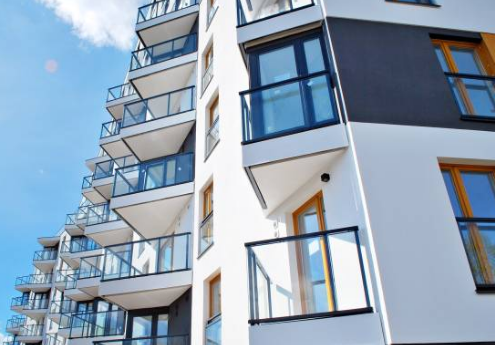
The landscape of residential real estate is vast, and understanding the inherent trade-offs between a detached dwelling and a condominium or co-op unit is paramount. It’s not simply about square footage or perceived prestige; it’s about what truly resonates with your daily life and long-term financial well-being. From the allure of a sprawling backyard and the freedom of customization to the convenience of urban living and the shared responsibility of maintenance, each option presents a unique set of advantages and disadvantages. Let’s delve into the specifics.
The Allure of a House: Space, Autonomy, and Long-Term Value
When the thought of buying a house enters your mind, several key benefits often come to the forefront. Foremost among these is the unparalleled sense of space and flexibility. A house typically offers more expansive living areas, multiple bedrooms and bathrooms, dedicated office spaces, and often, the coveted private outdoor sanctuary – a garden, patio, or yard. This generous footprint provides ample room for growing families, hobbies that require dedicated space, or simply the desire for more breathing room. Beyond the interiors, houses often come with garages, basements, or attics, offering substantial storage solutions that apartments often lack.
Perhaps even more significant is the degree of autonomy you gain with a house. You are the sole proprietor, granting you the freedom to renovate, redecorate, and landscape according to your personal taste and evolving needs. Unlike apartment living, where communal rules, landlord approvals, or homeowner association (HOA) regulations can dictate what changes you can make, a house offers a canvas limited only by your imagination and local zoning laws. This liberation extends to your lifestyle; you can paint your walls any color, host gatherings without worrying about noise disturbing immediate neighbors, or even embark on ambitious DIY projects without seeking permission.
Privacy and independence are also significant draws for many when considering a house. The absence of shared walls, floors, and ceilings minimizes the potential for noise disturbances and fosters a greater sense of personal sanctuary. You’re not typically subjected to the daily rhythm of neighbors living directly above, below, or beside you. This translates into a more peaceful and uninterrupted living experience. Furthermore, you are not beholden to communal fees for amenities you may not use, nor are you bound by HOA board decisions that might not align with your preferences.
From an investment perspective, purchasing a house often represents a more robust long-term appreciation potential. Historically, single-family homes have demonstrated a stronger tendency to increase in value over time, partly due to the intrinsic value of the land they occupy. The ability to add extensions, undertake renovations, or improve the landscaping further enhances a house’s marketability and potential for capital gains. Owning the freehold also provides a sense of security, eliminating concerns about leasehold extensions, escalating ground rents, or complex service charge negotiations that can plague apartment owners. If you’re considering selling and want to understand the current market value of your single-family home, numerous online tools can provide quick estimates, though for a truly accurate valuation, engaging with a local real estate expert is highly recommended.
The Trade-offs of House Ownership: Maintenance, Costs, and Location
However, the dream of owning a house is not without its challenges. A primary disadvantage of house ownership is the increased responsibility for maintenance and upkeep. You are solely accountable for all repairs, from minor fixes like a leaky faucet to major overhauls of the roof, HVAC system, or plumbing. This can translate into significant and often unpredictable expenses. Routine tasks such as lawn mowing, snow removal, and exterior painting also fall under your purview, demanding a considerable investment of both time and money. Issues like pest infestations, dampness, or structural cracks are entirely your responsibility to address.
Another consideration is the potential for isolation and inconvenience. Depending on the location, houses, particularly those in suburban or rural areas, might require longer commutes to access essential amenities, workplaces, public transportation hubs, and social centers. While this can offer a tranquil escape, it might also mean less spontaneous social interaction compared to the more condensed communities often found in apartment buildings.
Environmentally and energetically, houses can sometimes be less efficient. Larger structures generally consume more energy for heating and cooling, and their larger footprints can contribute to greater resource consumption. While modern building techniques are improving efficiency, older homes may require substantial investment to achieve comparable energy performance to newer apartment buildings. This increased energy demand can lead to higher utility bills and a larger carbon footprint.
The Appeal of an Apartment: Affordability, Convenience, and Modern Living
On the flip side, buying an apartment presents a compelling set of advantages, particularly for those seeking a more streamlined and accessible entry into homeownership. Generally, apartments tend to be more affordable upfront than houses. This lower purchase price, coupled with potentially lower associated costs like property taxes, homeowner’s insurance, and mortgage interest rates, makes apartment ownership a more attainable goal for a broader range of buyers.
Maintenance is significantly simplified for apartment owners. While you are responsible for the interior upkeep of your unit, the exterior maintenance of the building, landscaping, communal areas, and structural repairs are typically handled by a building management company or HOA. Your contribution to these costs is usually covered by a monthly or annual service fee, providing predictable budgeting for major building-related expenses. This shared responsibility frees up your time and reduces the stress associated with owning a standalone property.
Convenience and accessibility are hallmarks of apartment living. Apartments are frequently situated in prime urban or in-demand suburban locations, placing residents within easy walking distance of shops, restaurants, entertainment venues, and public transport. This urban proximity can significantly reduce commute times and enhance your access to a vibrant social and cultural scene. Many modern apartment complexes also offer on-site amenities such as fitness centers, swimming pools, rooftop terraces, co-working spaces, and secure parking, further enhancing the resident experience and eliminating the need for separate gym memberships or costly parking fees.
Furthermore, apartments often embody modern design and energy efficiency. Newer apartment buildings are constructed with contemporary building codes and materials, incorporating superior insulation, energy-efficient windows, and modern HVAC systems. This results in reduced heat loss, lower utility bills, and a more comfortable living environment. Their smaller, more compact nature also means less resource consumption and waste production compared to larger houses. The concept of condo vs house cost is frequently a deciding factor for many first-time homebuyers.
The Downsides of Apartment Living: Space Constraints and Shared Responsibilities
However, apartment living is not without its limitations. The most significant drawback is often the reduced space and freedom. Apartments typically offer fewer rooms, less storage, and limited or no private outdoor space. Natural light can also be a compromise, depending on the building’s design and orientation. Personalization can also be more restricted. While you can decorate your interior, significant structural changes, exterior alterations, or even certain aesthetic modifications might require approval from the landlord, HOA, or building management.
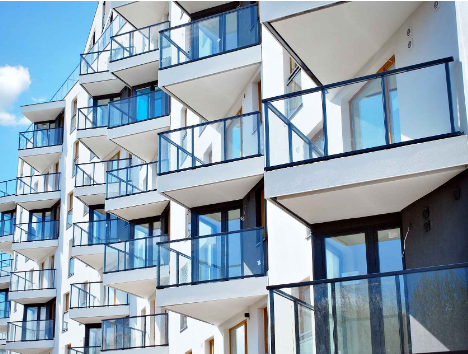
Privacy and autonomy can also be more challenging in an apartment setting. Sharing walls, floors, and ceilings means you are more likely to encounter noise from neighbors. While building management strives to mitigate these issues, the inherent proximity means you have less personal space and fewer opportunities for complete solitude. You are also subject to communal rules and regulations established by the HOA or building management, which can govern everything from pet ownership and noise levels to balcony decorations and parking. These rules, while often in place to ensure a harmonious living environment, can sometimes feel restrictive.
From an investment standpoint, apartments may not appreciate as rapidly as houses. The absence of significant land value and limited potential for major external improvements can mean slower capital growth. Furthermore, apartment ownership, especially in leasehold properties, can involve navigating complexities such as lease extensions, escalating ground rents, unpredictable service charge increases, and potential disputes with the freeholder. Understanding the intricacies of HOA fees for condos and ground rent charges is crucial before committing to apartment ownership. The long-term financial outlook and potential for resale value are key considerations when weighing the real estate investment apartment option.
Making the Informed Choice: Your Personal Blueprint for Homeownership
Ultimately, the decision between buying a house or an apartment is a deeply personal one, devoid of a universally correct answer. Both offer distinct pathways to homeownership, each with its own set of advantages and disadvantages. The optimal choice hinges entirely on your individual circumstances, priorities, and future aspirations.
To make the most informed decision, engage in a thorough self-assessment. Consider the following critical factors:
Your Financial Landscape: What is your realistic budget for a down payment, monthly mortgage, property taxes, insurance, and ongoing maintenance or fees? Explore current mortgage rates and understand the long-term financial implications of each property type. High-interest mortgage rates can significantly impact affordability.
Your Lifestyle Needs: Do you require extensive living space, a private yard for pets or gardening, or dedicated areas for hobbies? Or do you prioritize proximity to urban amenities, a low-maintenance lifestyle, and access to shared facilities?
Your Tolerance for Responsibility: Are you prepared for the responsibilities of home maintenance, repairs, and outdoor upkeep? Or do you prefer a more hands-off approach where a management company handles these aspects?
Your Long-Term Vision: How long do you anticipate living in this property? Are you planning for a growing family, or is this a stepping stone to another investment? What are your ultimate financial and lifestyle goals?
Location, Location, Location: What are your commuting needs? What kind of neighborhood environment are you seeking – quiet suburban, bustling urban, or something in between?
Navigating this complex decision-making process can be challenging. This is where the expertise of seasoned real estate professionals becomes invaluable. As dedicated agents with a deep understanding of local markets, we are equipped to provide personalized guidance, analyze your specific needs, and present you with a curated selection of properties that align with your criteria. Whether you’re drawn to the expansive possibilities of a single-family home or the convenient allure of an apartment, our mission is to empower you to find a place that not only serves as a dwelling but also as a fulfilling investment and a true sanctuary.
If you are ready to take the next step in your homeownership journey, whether that involves exploring the exciting possibilities of houses for sale in the USA or discovering ideal apartments for sale near me, reach out to us today. Let us help you turn your homeownership dreams into a tangible reality.