House vs. Apartment Rentals: A Comprehensive Guide for Today’s Renter
Navigating the rental landscape in 2025 presents a myriad of choices, and for many, the fundamental decision boils down to one core question: should I rent a single-family house or an apartment in a multi-family dwelling? As a seasoned industry professional with a decade of immersion in the real estate sector, I’ve witnessed firsthand the evolving preferences and priorities of renters. This isn’t merely about square footage; it’s about lifestyle, budget, and the overall living experience. Let’s delve into the nuanced pros and cons of each option to empower you with the knowledge to make the most informed decision for your next residential move.
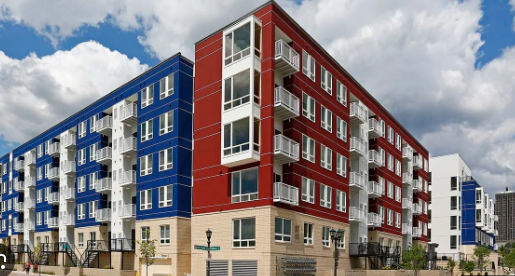
The Allure of Apartment Living: Convenience and Community

Apartments, particularly those nestled within urban centers, often represent a more accessible entry point into the rental market, frequently correlating with a more palatable monthly rent. Data consistently shows a tangible difference in average rental costs. For instance, while the national average for renting a single-family home might hover around the $2,100-$2,300 mark in early 2025, apartment rents typically fall within the $1,800-$2,000 range. This fiscal advantage is amplified by the inherent diversity in apartment layouts. From cozy studios perfect for solo dwellers to more expansive multi-bedroom units, renters can often find a space that aligns with their financial capacity and spatial needs. A smaller apartment, all else being equal within a given market, generally translates to a lower rental cost.
Beyond the immediate financial benefits, apartment living often champions convenience and accessibility. Imagine a scenario: a sudden craving for a specific spice to complete your culinary masterpiece, or a spontaneous desire for some fresh air and a moment of tranquility. In many apartment complexes, especially in bustling metropolitan areas, these needs are met with unparalleled ease. These residences are strategically positioned in proximity to an eclectic mix of retail establishments, diverse dining options, efficient public transportation networks, verdant parks, and vital community hubs. This proximity not only streamlines daily errands but also fosters a lifestyle that is both connected and convenient.
Furthermore, apartment communities inherently offer a fertile ground for social interaction and forging new connections. Many modern apartment buildings are designed with communal amenities that actively encourage resident engagement. Think state-of-the-art fitness centers, inviting social lounges, vibrant game rooms, and even communal outdoor spaces like rooftop terraces or grilling areas. For pet owners, the prospect of finding a pet-friendly apartment with dedicated dog runs or even dog spas can be a significant draw. This emphasis on shared spaces cultivates a sense of belonging and camaraderie, transforming a residential building into a true community.
Security and peace of mind are also paramount considerations, and apartment complexes frequently excel in this arena. Advanced security features are becoming standard, ranging from controlled access points with key fobs and intercom systems to dedicated concierge services and on-site security personnel. Many complexes also implement robust surveillance systems and secured mailrooms, adding layers of protection that contribute to a secure living environment. This comprehensive approach to security can significantly alleviate concerns for renters, particularly those living alone or seeking to safeguard their belongings.
However, the compact nature of apartment living is not without its trade-offs. The most apparent drawback is often the limitation in living space, both indoors and out. Apartments, by their very design, are typically more constrained in square footage compared to single-family homes. This can be a significant consideration for larger families, individuals with extensive collections of possessions, or those who own larger pets requiring ample room to roam. Private outdoor space is often confined to a balcony or a small patio, which may not be sufficient for active pets or for those who enjoy extensive outdoor living. Storage solutions can also be more limited, necessitating a more minimalist approach to furnishing and decluttering.
The proximity to neighbors, while fostering community, can also lead to increased noise levels. Living in close quarters means you are inevitably exposed to the sounds of your neighbors – their music, conversations, children playing, or even the everyday activities of daily life. This can be a source of constant disruption for some, requiring a delicate balance of respecting quiet hours and managing personal noise output. Similarly, if you are someone who enjoys a lively social gathering, you may find yourself needing to be particularly mindful of noise ordinances and the comfort of your neighbors.
Pet ownership can also present more hurdles in the apartment rental market. Many apartment communities have strict policies regarding the types of pets allowed, with breed restrictions, weight limits, and limitations on the number of pets per household being common. The cost of having a pet can also escalate significantly due to monthly pet rent and additional security deposits. While finding pet-friendly apartments is certainly achievable, it often requires more diligent searching and potentially higher rental expenses.
Finally, apartment living can entail a degree of reduced flexibility. Lease agreements are often more stringent, and modifications to the living space, such as painting or making structural changes, are typically prohibited or require extensive landlord approval. Shared amenities may have specific operating hours or usage restrictions, and breaking a lease early can incur substantial penalties. The very systems designed for order and efficiency in apartment buildings can sometimes translate into a less adaptable living environment for those who value extensive personalization and freedom.
The Appeal of Renting a House: Space, Privacy, and Freedom
Renting a single-family house offers a distinct set of advantages, with generous living space often topping the list. While apartment floor plans might range from 800 to 1,200 square feet, a single-family home can often provide significantly more. This expanded footprint frequently comes with the bonus of additional storage areas like basements, attics, or even detached sheds, providing ample room for belongings and hobbies. This is particularly appealing for families or individuals who require more personal space or simply prefer a less cluttered environment.
The increased privacy and autonomy in a rented house translate to greater decor flexibility. Unlike apartment buildings that often enforce uniform aesthetic standards and prohibit alterations to walls, renting a house typically grants renters more leeway to personalize their living environment. Subject to landlord approval, you might find yourself able to paint walls, hang artwork with more freedom, or even undertake minor aesthetic upgrades to truly make the space your own. This ability to infuse personality into your home is a significant draw for many renters.
Dedicated parking is another substantial benefit often associated with renting a house. While some apartment complexes offer parking, it can be competitive, subject to availability, or come with an additional monthly fee. Houses, on the other hand, commonly feature private driveways, garages, or at least readily available street parking, eliminating the daily hassle of searching for a spot and the associated expenses.
Perhaps one of the most cherished advantages of renting a house is private yard access. The availability of a private front or backyard is a game-changer for pet owners, gardening enthusiasts, or simply those who enjoy spending time outdoors in their own dedicated space. This private outdoor sanctuary, often fenced, provides a safe and exclusive area for pets to play, for children to enjoy, or for you to relax and unwind in fresh air without the need to share with neighbors.
However, these desirable attributes of house rentals are often accompanied by a higher price tag. Increased cost is a prominent factor, with rental rates for single-family homes typically exceeding those of apartments. This disparity is attributed to several elements: the larger square footage, the inherent demand for private residences, and the current real estate market where high homeownership costs often trickle down to rental rates. Moreover, security deposits for houses are generally higher than for individual apartment units, reflecting the greater value of the property. The higher cost of maintenance and utilities for a larger property also contributes to the overall expense.
Another potential concern with renting a house is lease uncertainty. Homeowners may decide to sell their property, move in family members, or occupy the home themselves with less notice than might be expected from a professionally managed apartment complex. This unpredictability can create instability for renters, making long-term planning more challenging. While this is not a universal issue, it is a more prevalent risk when renting directly from an individual owner rather than a property management company.
The sheer size of a rented house can also present its own set of challenges. Potentially more space to fill and maintain can lead to higher furnishing costs if the property is unfurnished. Furthermore, depending on the lease agreement, renters might be responsible for yard maintenance, such as mowing the lawn, raking leaves, or shoveling snow. This adds to the workload and can involve additional expenses for equipment or services. While finding furnished rental houses is an option, it is less common than unfurnished listings.
Finally, the rental process for a house might be less formalized compared to apartment rentals managed by professional companies. This can sometimes mean dealing with landlords who have less experience in property management, leading to more informal agreements. It is crucial for renters in such situations to ensure all lease terms, deposit details, and any other agreements are meticulously documented in writing to avoid misunderstandings or disputes. This requires extra diligence on the part of the renter to protect their interests.
Making Your Informed Rental Decision
Ultimately, the choice between renting a house and an apartment hinges on your individual circumstances, priorities, and financial capacity. There is no universally “better” option; rather, there is the best option for you. To navigate this decision effectively, consider the following:
Financial Assessment: Conduct a thorough review of your rental budget. Can you comfortably afford the higher rental rates and associated costs of a single-family home, or would an apartment provide more financial flexibility to allocate funds towards other goals? Explore mortgage pre-approval if you’re considering purchasing a home in the future, to understand your buying power which can inform your rental budget.
Lifestyle Needs: Do you prioritize convenience, community, and proximity to urban amenities, or do you crave more space, privacy, and the freedom to personalize your living environment? Consider your daily routines, hobbies, and the needs of any dependents or pets.
Future Plans: How long do you anticipate staying in this rental? Lease terms, potential for price increases, and the stability of your living situation should be weighed against your long-term objectives.
By carefully evaluating these factors and thoroughly understanding the advantages and disadvantages of both rental types, you can confidently select the residential option that best aligns with your vision for a comfortable, fulfilling, and practical home. Don’t hesitate to explore rental listings in your desired areas, attend viewings, and ask detailed questions to ensure you’re making a choice you’ll be happy with for the duration of your lease.