



The Definitive Guide to Real Estate Investment: Houses vs. Apartments in 2025
The American real estate landscape is undergoing a remarkable transformation. As of early 2025, the nation’s construction sector is a hive of activity, with an estimated 934 multifamily properties and a staggering 1,485,000 new homes currently under development across the U.S. This robust construction pipeline signals a fertile ground for real estate investors, presenting a wealth of opportunities to enter or expand within the dynamic rental property market. For any aspiring or seasoned residential real estate investor, a pivotal decision looms: whether to focus investments on standalone houses or individual apartment units within larger complexes. This comprehensive analysis will dissect the fundamental differences between these two dominant property types, equipping you with the knowledge to make strategic choices that align with your financial aspirations and optimize your return on investment (ROI).

Understanding the Nuances: Houses vs. Apartments
Both houses and apartments serve as vehicles for generating passive income through monthly rent collection. However, delving deeper reveals distinct characteristics that impact their investment profiles. Let’s explore the foundational definitions and prevailing statistics for each:
Houses: The Quintessential Single-Family Residence
A house, in its purest form, is a detached, standalone residential dwelling. It typically encompasses multiple functional spaces, including kitchens, bathrooms, living areas, and several bedrooms, designed to accommodate individual families or households. According to recent data from Statista, the United States boasts approximately 82 million standalone homes. Investors often acquire these properties outright or through traditional financing, requiring a significant down payment and securing a mortgage. The appeal of houses often lies in their perceived permanence and the desirability of private living spaces, a consistent driver in the U.S. housing market.
Apartments: Urban Living and Multi-Unit Dwellings
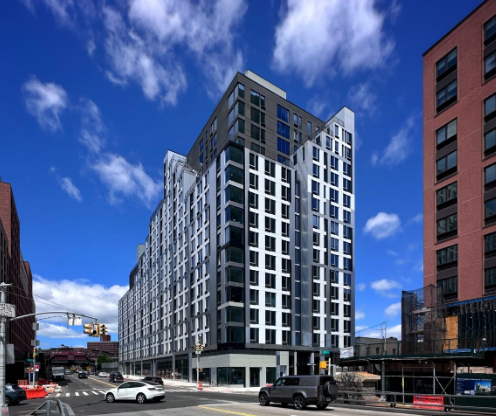
An apartment refers to a self-contained residential unit situated within a larger building or complex that houses multiple individuals or households. These units typically consist of one or more rooms, featuring essential living spaces such as a kitchen, bathroom, living room, and bedrooms. Currently, the United States is home to an estimated 23 million apartment units. Investors typically finance the acquisition of apartment buildings or portfolios through commercial real estate loans, a distinct financial pathway compared to single-family home mortgages. The growth of urban centers and shifting demographic preferences continue to fuel demand for apartment living.
A Comparative Deep Dive: Key Considerations for Real Estate Investors
The question of which property type is superior for your real estate investment business is nuanced and highly dependent on your individual goals. Let’s explore ten critical factors that differentiate houses and apartments, guiding your decision-making process:
Investment Goals: Cash Flow, Appreciation, and Risk Mitigation
Each property type presents a unique financial calculus, directly influencing the trajectory of your investment strategy. Understanding these differences is paramount for maximizing your net operating income (NOI) and overall portfolio growth.
Cash Flow Dynamics: Apartments often present a compelling advantage in terms of cash flow. The presence of multiple rental units within a single property means that income is diversified. A vacancy in one apartment unit does not halt rental income entirely, acting as a crucial buffer against financial volatility. This consistent income stream can lead to higher and more predictable monthly cash flow. Conversely, a single-family house relies on a sole tenant. If that tenant vacates, the entire rental income stream for that property ceases, potentially creating significant cash flow gaps and increasing financial risk. For investors prioritizing consistent monthly returns, apartment buildings can be more attractive.
Appreciation Potential: Historically, standalone houses, particularly in desirable locations, have demonstrated a strong propensity for higher appreciation rates. This is often attributed to the finite nature of land, the increasing demand for private living spaces, and the inherent desirability of owning a detached property. While apartment buildings can also appreciate, their value appreciation is often more closely tied to strategic renovations, operational efficiencies, and the broader market conditions for multi-family properties. Value-add strategies, such as unit upgrades or amenity enhancements in apartment complexes, can significantly boost their market value.
Risk Diversification: Apartment investments offer a natural advantage in risk diversification. By owning multiple units under one roof, an investor can mitigate the impact of individual vacancies. A single vacancy in an apartment complex represents a smaller percentage of the total rental income compared to a vacancy in a single-family house. This inherent diversification provides a more stable financial foundation, shielding investors from the potentially devastating impact of a single property becoming untenanted. Houses, by their nature, represent a single point of investment risk; a vacancy means zero income for that particular asset, escalating the exposure to financial fluctuations.
Ownership Structures: Control and Management
The structure of ownership dictates the level of control and the responsibilities an investor assumes.
House Ownership: Typically, a single entity or individual holds outright ownership of a house. This grants complete control over all aspects of the property, including renovations, rental terms, and management. The owner is solely responsible for all associated expenses, such as property taxes, insurance premiums, and maintenance costs, as well as ensuring compliance with local ordinances and building codes. Tenants renting houses generally engage directly with the private landlord, fostering a more personalized landlord-tenant relationship.
Apartment Ownership: Apartment ownership can manifest in more complex configurations. A single entity might own the entire building and manage all rental units directly. Alternatively, apartment buildings can comprise individually owned units, such as in condominium developments, where each unit owner is responsible for their own property, while the building’s common areas are managed by a homeowners association or property management company. Renters in apartment complexes typically interact with professional property management companies, which are tasked with overseeing operations, maintenance, and tenant relations for the larger investment. This can streamline operations but also introduces a layer of delegation.
Physical Structure: Privacy and Shared Spaces
The physical characteristics of a property significantly influence the living experience for tenants and the operational demands on the investor.
Houses: Standalone houses typically offer more expansive living spaces and distinct private outdoor areas, such as backyards, personal gardens, and private driveways. This separation from neighboring dwellings enhances the sense of privacy and autonomy for residents.
Apartments: Apartment buildings are characterized by shared walls, floors, and ceilings between units. Residents often share common facilities, which can include laundry rooms, fitness centers, swimming pools, and communal lounges. While these amenities can be attractive, they also necessitate shared responsibility for their upkeep and can lead to a reduced sense of personal space compared to a detached home.
Space and Layout: Square Footage and Lifestyle
The amount of living space and the general layout of a property are critical factors influencing tenant appeal and rental rates.
Houses: Generally, houses offer a greater overall square footage, appealing to tenants who prioritize ample living space. The average size of a single-family home in the U.S. hovers around 2,299 square feet. This larger footprint often translates to more comfortable living arrangements, dedicated workspaces, and increased storage capacity.
Apartments: Apartments tend to be more compact, offering smaller living areas with potentially limited private outdoor access. The average apartment size can vary significantly by metropolitan area, ranging from approximately 691 square feet in cities like Seattle to around 991 square feet in locales such as Scottsdale, Arizona. This more condensed living space often suits individuals or smaller households prioritizing urban convenience and accessibility over expansive living quarters.
Maintenance Responsibilities: Scope and Complexity
The scope and complexity of maintenance differ considerably between single-family houses and apartment buildings, impacting both operational costs and time investment.
House Maintenance: Maintaining a single-family rental property typically involves a more concentrated set of responsibilities. These include:
Landscaping: Regular lawn mowing, gardening, and general upkeep of outdoor areas to maintain curb appeal.
Exterior Maintenance: Addressing issues like roof repairs, gutter cleaning, and exterior painting to preserve the structural integrity and aesthetic of the property.
Interior Maintenance: Handling repairs within the home, such as plumbing issues, appliance servicing, and updating fixtures to ensure functionality and tenant satisfaction.
Key Systems: Ensuring critical systems like HVAC (Heating, Ventilation, and Air Conditioning) are regularly serviced and in optimal working condition.
Apartment Building Maintenance: Maintenance for apartment complexes is often more extensive and complex due to the shared nature of the infrastructure and common areas. This includes:
Common Areas: Upkeep of hallways, lobbies, stairwells, elevators, and recreational spaces accessible to all residents.
System Maintenance: Managing large-scale building-wide systems such as central heating, plumbing, electrical grids, and elevator operations, which require periodic checks and significant repairs.
Exterior Maintenance: Addressing building facades, window cleaning, and maintaining security systems and features throughout the property.
Landscaping: Maintaining shared outdoor spaces, courtyards, or rooftop gardens if applicable.
Safety Inspections: Conducting regular inspections to ensure compliance with stringent building safety regulations and local housing codes.
Amenities: Enhancing Tenant Appeal
The provision of amenities can significantly influence tenant attraction and retention, impacting rental rates and property desirability.
House Amenities: Common amenities in houses often include private yards, detached garages, and interior upgrades such as high-end kitchen appliances or custom bathroom finishes. These are typically exclusive to the tenant of that specific property.
Apartment Amenities: Many apartment complexes offer shared facilities designed to enhance resident convenience and lifestyle. These can include fully equipped fitness centers, swimming pools, business centers, and communal laundry facilities. While these amenities are attractive to a broad range of tenants, their maintenance and upkeep require a more involved operational strategy from the investor or property manager.
Privacy: The Personal Space Factor
The level of privacy afforded to residents is a key differentiator that influences tenant preference.
Houses: Houses generally provide a higher degree of privacy. Individual properties are typically situated with adequate space between them, and tenants often have exclusive access to private outdoor areas like gardens or backyards. This separation fosters a greater sense of personal sanctuary.
Apartments: Apartment living inherently involves a shared living environment. Residents are in closer proximity to neighbors, and common areas like hallways, elevators, and shared outdoor spaces are used by multiple households. This can lead to a diminished sense of privacy compared to living in a standalone house.
Cost Structure: Economies of Scale and Per-Unit Expenses
Understanding the financial underpinnings of each property type is crucial for effective budget management and profitability analysis.
House Cost Structure: With single-family houses, landlords directly bear all costs associated with the property. This includes property taxes, homeowner’s insurance, and all repair and maintenance expenses. Since these costs are tied to a single unit, the per-unit expenses can be higher, as there are no opportunities for cost-sharing among multiple residents.
Apartment Cost Structure: Apartment buildings, due to their scale and multiple units, exhibit a more complex cost structure. However, the principle of economies of scale often comes into play. Many expenses, such as building insurance, property management, and large-scale maintenance, are spread across numerous units. This can lead to lower per-unit operational costs compared to managing individual houses, even though the overall capital investment is significantly higher. Analyzing these economies of scale is critical for apartment investors.
Scalability and Portfolio Growth: Strategic Expansion
For investors focused on expanding their real estate portfolio, the scalability of each property type presents different strategic approaches.
Apartments for Scalability: Scaling an apartment investment portfolio often requires a substantial initial capital outlay to acquire larger properties or multiple buildings. However, once established, operations can be centralized. Managing multiple units in a single location simplifies operational oversight, marketing, and maintenance coordination. Existing management teams and resources can be leveraged across a larger number of units, streamlining efficiency as the portfolio grows.
Houses for Scalability: Scaling a single-family rental portfolio can be more capital-efficient on a per-property basis. The Buy, Rehab, Rent, Refinance, Repeat (BRRRR) strategy, for example, is a popular method for acquiring and financing multiple houses sequentially. However, managing a dispersed portfolio of single-family homes across various neighborhoods can become more people-intensive. Each property may require individual attention, marketing, and maintenance coordination, making it more challenging to achieve the same level of operational economies of scale as with apartment complexes.
Financing and Funding: A Tale of Two Markets
The methods used to finance real estate investments vary significantly between houses and apartments, impacting access to capital and loan terms.
House Financing: The acquisition of single-family homes is typically financed through residential mortgages. These loans are generally accessible to individual investors and often require a standard down payment. The underwriting process focuses on the individual borrower’s creditworthiness and the value of the specific property.
Apartment Financing: Investing in apartment buildings or portfolios necessitates commercial real estate loans. These loans are often larger in scale and are underwritten based on the property’s income-generating potential (cash flow) and market value. Commercial loans may require higher down payments and often involve more complex due diligence processes. The ability to secure favorable commercial financing is a key factor for success in the multi-family investment space.
Making the Right Investment Choice for Your Real Estate Portfolio
The decision between investing in houses or apartments is not a one-size-fits-all proposition. It hinges on your personal financial situation, your tolerance for risk, your desired level of involvement, and your long-term wealth-building objectives.
For investors prioritizing consistent monthly cash flow, diversification across multiple income streams, and potentially more streamlined management of a portfolio concentrated in one or a few locations, apartments often present a compelling case. The economies of scale in operations and maintenance can be a significant advantage for larger portfolios.
Conversely, if your focus is on the potential for higher long-term appreciation, the appeal of private ownership, and a more hands-on landlord experience with potentially lower initial capital per unit, houses may be the better fit. The BRRRR strategy and the allure of tangible, individual assets can be highly attractive to certain investors.
As the U.S. real estate market continues its dynamic evolution, understanding these fundamental differences is the first step towards building a successful and profitable investment portfolio. Consider your unique financial goals, risk appetite, and market research thoroughly before committing your capital.
Ready to explore your real estate investment options further? Contact a qualified real estate advisor today to discuss your specific investment strategy and discover how to best leverage the current market opportunities in houses and apartments across the nation.
