
Navigating the Landscape of Residential Real Estate Investment: Houses vs. Apartments in 2025
The American real estate sector continues to present a vibrant panorama of development. As we move through 2025, the construction industry remains exceptionally active, with numerous cranes gracing our skylines and development projects in full swing. This robust activity underscores the dynamic nature of the multifamily property investment market and the broader residential real estate landscape. Data from early 2024 indicated an impressive pipeline of new construction, with hundreds of thousands of multifamily properties and millions of new homes underway nationwide. This sustained surge in development signifies a fertile ground for investors aiming to establish or expand their presence in the lucrative rental property sector.
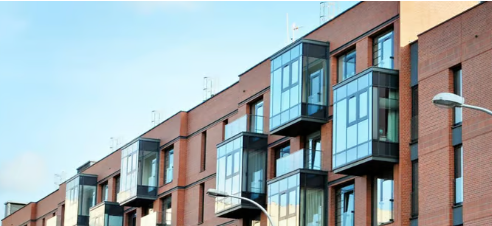
A pivotal strategic decision for many residential real estate investors centers on a fundamental dichotomy: should one focus on acquiring individual single-family homes or dive into the world of apartment units within larger complexes? Each asset class presents a unique set of financial characteristics, operational considerations, and risk profiles. Understanding these nuances is paramount for crafting an investment strategy that aligns precisely with your financial objectives and maximizes long-term return on investment. This comprehensive guide, informed by over a decade of industry experience, will delve deep into the core distinctions between houses and apartments as investment vehicles, equipping you with the insights needed to make a well-informed decision.
Defining the Investment Assets: Houses and Apartments
At their core, both houses and apartments serve the fundamental purpose of providing shelter and generating rental income for property owners. However, their structural configurations, ownership models, and operational complexities diverge significantly.
Single-Family Homes: The Quintessential American Dwelling
A single-family home is typically understood as a detached residential structure, standing independently on its own plot of land. These residences are generally characterized by their multiple interior spaces, including dedicated kitchens, bathrooms, living areas, and a varying number of bedrooms. According to industry statistics, the United States boasts a substantial stock of over 82 million detached single-family homes. For real estate investors, acquiring these properties often involves direct purchase, either through outright payment or via traditional mortgage financing coupled with an initial down payment. The appeal of single-family homes often lies in their autonomy and the direct landlord-tenant relationship they foster.
Apartment Units: Concentrated Living Spaces
An apartment unit, conversely, refers to a self-contained residential dwelling located within a larger building or complex that houses multiple distinct living spaces. These units are designed for individuals or families seeking convenient and often more compact living arrangements. An apartment typically comprises one or more rooms, encompassing essential areas like a kitchen, bathroom, living space, and bedrooms. The U.S. currently features approximately 23 million apartment units. The acquisition of apartment buildings or individual units within larger complexes often requires different financing structures, frequently involving commercial real estate loans, especially for larger multifamily assets.
A Deep Dive: Comparing Investment Characteristics of Houses vs. Apartments
With a foundational understanding of what constitutes each asset type, let’s embark on a comparative analysis of ten critical considerations that will shape your investment strategy. This comparison will illuminate the distinct advantages and potential challenges inherent in each.
Investment Goals: Aligning Strategy with Financial Objectives
The choice between investing in houses or apartments is intrinsically linked to your overarching investment goals. Each property type offers a unique pathway to achieving financial success, with distinct implications for cash flow, appreciation, and risk management.
Cash Flow Dynamics: Apartment investing often presents a more robust and consistent cash flow. By generating rental income from multiple units within a single property, investors can buffer the financial impact of a potential vacancy in one unit. This diversification of income streams within a single asset contributes to a more predictable monthly revenue. In contrast, a single-family home relies on a sole tenant for its rental income. Consequently, a vacancy in a house directly halts all income generation, presenting a more significant cash flow disruption. For investors prioritizing steady, predictable income, multifamily properties often hold an edge.
Appreciation Potential: Historically, single-family home appreciation has often outpaced that of apartments, particularly in desirable, land-scarce markets. The inherent desirability of private living spaces and individual land ownership contributes to this trend. However, apartment buildings are not immune to appreciation. Strategic value-add renovations, effective property management, and favorable market conditions can significantly enhance the value of multifamily assets over time. Sophisticated investors in both sectors aim to capitalize on market cycles for optimal capital gains.
Risk Diversification: The structure of apartment ownership inherently allows for greater risk diversification within a single investment. A vacancy in one apartment unit, while impacting cash flow, does not eliminate it entirely if other units remain occupied. This provides a crucial financial cushion. A single-family home investment, by its nature, represents a single point of financial risk. A vacancy in that property translates to zero rental income, amplifying the investor’s exposure to market fluctuations or tenant-related issues.
Ownership Structures and Control
The manner in which properties are owned and managed significantly impacts an investor’s operational involvement and decision-making authority.
House Ownership: Owning a single-family home typically confers complete autonomy. A single entity or individual investor has full control over the property, from making aesthetic upgrades to managing all aspects of maintenance, property taxes, and adherence to local zoning ordinances and building codes. Tenants renting houses generally engage directly with the property owner, fostering a more personal landlord-tenant dynamic. This direct relationship can facilitate quicker resolutions to issues but also places the full burden of management on the owner.
Apartment Ownership: The ownership of apartment buildings can range from a single investor or entity managing all units themselves to more complex scenarios like condominiums, where individual units are owned separately. In larger multifamily complexes, property management companies are frequently employed to handle day-to-day operations, tenant relations, and maintenance. This delegation can free up an investor’s time but introduces management fees and a layer between the owner and the tenant.
Physical Structure and Tenant Experience
The physical characteristics of a property dictate the living environment for tenants and influence the associated maintenance responsibilities.
House Architecture: Single-family homes often offer more expansive living spaces and distinctly private outdoor areas, such as personal yards, gardens, and dedicated driveways. This emphasis on privacy and personal outdoor space is a significant draw for many renters, particularly families.
Apartment Building Design: Apartment buildings, by necessity, involve shared walls, floors, and ceilings among units. This proximity can lead to considerations regarding noise transference. However, these complexes often compensate by providing shared amenities like on-site laundry facilities, fitness centers, communal lounges, and sometimes shared outdoor spaces like courtyards or rooftop decks.
Space, Layout, and Tenant Appeal
The available living space and the internal layout of a property are critical factors in attracting and retaining tenants.
Generous Square Footage in Houses: Houses generally provide a greater overall square footage compared to apartments, appealing to tenants who prioritize ample living space. The average size of a single-family home in the U.S. is approximately 2,299 square feet, offering considerable room for families and individuals who value spaciousness.
Compact and Efficient Apartment Layouts: Apartments tend to be more compact, offering smaller living areas and often limited or no private outdoor access. The average apartment size can vary significantly by region, from around 691 square feet in high-density urban centers like Seattle to closer to 991 square feet in more suburban or mid-sized cities like Scottsdale, Arizona. This efficiency appeals to younger professionals, couples, or individuals seeking a lower-maintenance lifestyle.
Maintenance Burdens: A Tale of Two Scales
The scope and complexity of property maintenance differ substantially between single-family homes and apartment buildings.
House Maintenance: Maintenance for a single-family rental typically involves a more focused set of tasks. This includes:
Landscaping: Regular lawn care, gardening, and upkeep of the exterior to ensure curb appeal.
Exterior Repairs: Addressing issues like roof integrity, gutter cleaning, and painting to preserve the structure.
Interior Upkeep: Responding to tenant requests for appliance repairs, plumbing issues, and general interior wear and tear.
Systems Management: Ensuring critical systems like HVAC (Heating, Ventilation, and Air Conditioning) are regularly serviced and functioning optimally.
Apartment Building Maintenance: Maintenance in an apartment complex is significantly more complex due to the scale and shared infrastructure. It encompasses:
Common Area Upkeep: Maintaining hallways, lobbies, elevators, stairwells, and recreational facilities.
Large-Scale Systems: Periodic checks and repairs for central heating and cooling, building-wide plumbing, and elevator systems.
Facade and Structural Integrity: Addressing building exteriors, window cleaning, and maintaining security systems across the entire property.
Landscaping and Outdoor Spaces: Upkeeping any shared courtyards, parking areas, or rooftop gardens.
Regulatory Compliance: Conducting mandatory safety inspections and ensuring compliance with all building codes and regulations.
Amenities: Enhancing Tenant Value and Attracting Renters
The presence and type of amenities play a crucial role in attracting tenants and influencing rental rates.
Exclusive House Amenities: Amenities commonly associated with single-family homes are typically private and exclusive to the tenant. These often include private backyards, garages, dedicated driveways, and potentially custom interior upgrades such as gourmet kitchens or spa-like bathrooms.
Shared Apartment Amenities: Apartment complexes often provide a range of shared facilities designed to enhance the living experience and attract a broader demographic of renters. These can include well-equipped fitness centers, swimming pools, business centers, and communal laundry facilities. While these amenities add significant value and convenience, their upkeep and maintenance represent an ongoing operational cost for the property owner.
Privacy: A Key Differentiator for Tenant Choice
The level of privacy offered by a property is a significant factor for many renters, directly influencing their comfort and satisfaction.
Unrivaled Privacy in Houses: Houses inherently offer a higher degree of privacy. The physical separation between individual properties and the presence of private outdoor spaces ensures that tenants have their own distinct living environment, free from the close proximity of neighbors typical in apartment settings.
Shared Living Environments in Apartments: Apartment living involves a shared environment. Tenants are in closer proximity to their neighbors, and common areas such as hallways, elevators, and shared outdoor spaces require navigation and interaction with others. This can be a trade-off for convenience and affordability.
Cost Structure and Economies of Scale
Understanding the cost structure associated with each property type is vital for accurate financial forecasting and profitability analysis.
Direct House Costs: In the case of a single-family home, the landlord directly bears all property-related expenses. This includes property taxes, homeowner’s insurance, and all repair and maintenance costs. Because these costs are tied to a single unit, the per-unit expense can be relatively high due to the absence of cost-sharing opportunities found in larger properties.
Complex Apartment Cost Structures: Apartment buildings, with their numerous units, possess a more intricate cost structure. However, the sheer scale of operations often leads to significant economies of scale. This means that certain costs, such as administrative overhead, insurance premiums, and even some maintenance tasks, can be distributed across many units, potentially lowering the per-unit cost for the investor. This efficiency is a key driver of profitability in multifamily investing.
Scalability and Portfolio Growth Strategies
For investors with ambitions of growing their real estate portfolio, understanding the scalability of each asset class is paramount.
Apartments: Capital Intensive, Operationally Efficient Scaling:
Capital Intensive: Expanding an apartment investment portfolio often necessitates substantial upfront capital for each acquisition. Acquiring entire apartment buildings or significant stakes in them requires considerable financial resources.
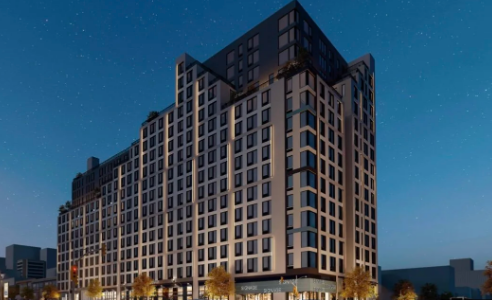
Centralized Operations: A key advantage of apartment investing is the concentration of units within a single location. This simplifies management and maintenance efforts when expanding within the same geographic area or property.
Resource Leverage: Once a portfolio of apartments is established, existing management teams, maintenance crews, and operational processes can be effectively leveraged across multiple units, streamlining operations and enhancing efficiency as the portfolio grows.
Houses: Capital Efficient, People Intensive Scaling:
Capital Efficiency: Scaling a single-family rental portfolio typically requires less initial capital per property. The individual purchase prices are generally lower than those of apartment buildings, making it more accessible for investors to acquire multiple properties over time.
BRRRR Strategy: Investors can employ growth strategies like the BRRRR method (Buy, Rehab, Rent, Refinance, Repeat) to systematically acquire, improve, and leverage properties, fueling portfolio expansion without continually depleting capital reserves. This is a cornerstone of many successful buy and hold real estate investing strategies.
People Intensive: A significant challenge with scaling single-family rentals is that each property requires individual management. Coordinating maintenance, tenant screening, and rent collection across numerous properties spread across different neighborhoods can become extremely labor-intensive and complex, making it harder to achieve the same level of operational efficiency as with apartments.
Financing and Investment Avenues
The methods for financing and investing in houses versus apartments also differ.
House Financing: Securing financing for single-family homes typically involves traditional residential mortgages. These loans are readily available from banks and credit unions and are often easier to obtain for individual investors compared to commercial financing. The process is generally standardized and well-understood.
Apartment Financing: Financing for apartment buildings, especially larger multifamily properties, often falls under the umbrella of commercial real estate loans. These loans typically have different terms, interest rates, and require more extensive due diligence from lenders. However, they can be structured to accommodate larger acquisitions and facilitate significant portfolio growth. Investors may also explore private lending, syndications, and other more complex financing structures for multifamily assets.
Conclusion: Charting Your Course in the Real Estate Market
Both single-family homes and apartment units offer compelling pathways to wealth creation and passive income through real estate investment. The optimal choice hinges on a careful assessment of your personal financial situation, risk tolerance, time commitment, and long-term investment aspirations.
For the investor prioritizing consistent cash flow, operational efficiency, and the potential for diversification within a single asset, multifamily property investment in apartments presents a powerful strategy. The ability to leverage economies of scale and manage multiple income streams simultaneously makes it an attractive option for those seeking predictable returns.
Conversely, for the investor drawn to greater individual property control, potentially higher appreciation rates, and a more direct landlord-tenant relationship, single-family homes offer a proven and accessible avenue. The capital efficiency of acquiring individual homes also lends itself well to systematic portfolio growth through methods like the BRRRR strategy.
As you navigate the dynamic landscape of real estate investment opportunities, consider what truly resonates with your vision for success. Whether you’re drawn to the robust cash flow of apartments or the intrinsic value of detached homes, the key lies in thorough research, strategic planning, and disciplined execution.
Ready to explore which path aligns best with your financial future? Connect with our team of seasoned real estate investment advisors today to discuss your goals and discover personalized strategies for success in the U.S. housing market.