
The Great American Dwelling Debate: House vs. Apartment – Navigating Your Next Real Estate Investment
As a real estate professional with a decade immersed in the dynamic U.S. property market, I’ve witnessed firsthand the evolving landscape of homeownership. For many Americans embarking on the quest for their next domicile, the fundamental question often boils down to a choice between a detached house and a condominium or apartment. This isn’t a decision to be taken lightly; it’s a pivotal moment that shapes not only your immediate living situation but also your long-term financial trajectory. The “house vs. apartment” dilemma is multifaceted, influenced by an intricate web of personal priorities, financial realities, and lifestyle aspirations.
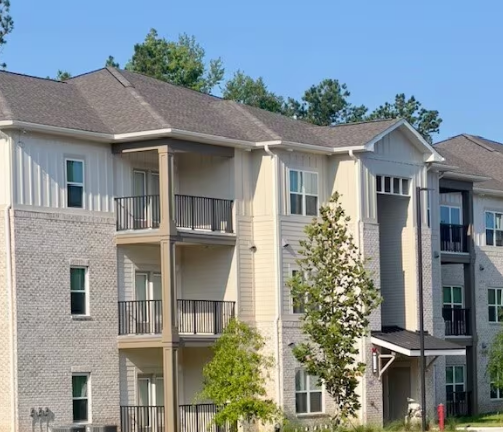
My extensive experience has shown that there’s no one-size-fits-all answer. What proves ideal for a young professional might be entirely unsuitable for a growing family, and vice versa. The key lies in a thorough, introspective evaluation of what truly matters to you in a living space. Let’s delve deep into the nuances of each dwelling type, dissecting the advantages and disadvantages to empower you with the knowledge needed to make a sound decision that aligns with your unique circumstances. This guide aims to provide you with actionable insights, drawing from current market trends and expert perspectives, to help you navigate the critical choice of whether to buy a house or an apartment in today’s vibrant real estate environment.
Decoding Your Ideal Residence: Key Considerations for Buying a House or Apartment
Before we dissect the specific pros and cons, it’s crucial to establish a framework for your decision-making process. Think of these as the foundational questions that will illuminate your path:
Spatial Requirements: How much square footage do you genuinely need? Are you content with compact, efficient living, or do you crave sprawling rooms, dedicated home offices, or hobby spaces?
Financial Capacity and Long-Term Affordability: Beyond the initial purchase price, what are your ongoing financial commitments? This includes mortgage payments, property taxes, homeowner’s insurance, potential HOA fees, and maintenance reserves. Understanding your budget for buying a house in the US versus an apartment is paramount.
Privacy and Security Preferences: How much solitude do you value? Are you comfortable with shared walls and common areas, or do you prioritize a secluded existence? What are your security concerns and how do different dwelling types address them?
Maintenance Tolerance and Capability: Are you a DIY enthusiast eager to tackle home repairs, or do you prefer a more hands-off approach where external parties handle upkeep? Your willingness to invest time and effort in maintenance significantly impacts the house vs. apartment decision.
Tenure Horizon: How long do you envision yourself living in this property? Short-term needs might lean towards flexibility, while long-term investment strategies may favor different asset classes.
Future Life Plans and Goals: Are you anticipating major life changes such as marriage, children, career shifts, or retirement? Your dwelling should ideally accommodate these future evolutions.
By thoughtfully addressing these questions, you’ll begin to paint a clearer picture of what type of property will best serve your current and future needs, whether you’re considering apartments for sale in New York City or a single-family home in Austin, Texas.
The Allure of the Single-Family Home: Unpacking the Advantages of Owning a House
For many Americans, the dream of homeownership is intrinsically linked to the idea of a detached house. The advantages are compelling and often speak to a desire for autonomy and personal expression.
Unrivaled Space and Unfettered Flexibility
Perhaps the most significant draw of a house is the sheer abundance of space and the inherent flexibility it offers. Unlike apartments, houses typically boast multiple bedrooms, distinct living areas, dining rooms, and often dedicated spaces for laundry, storage, and even a basement or attic ripe for conversion. Many houses come with the coveted perk of outdoor living – a backyard for gardening, entertaining, or simply enjoying the fresh air. This expanse allows for greater personalization. You have the freedom to renovate, redecorate, and redesign your living environment to perfectly mirror your aesthetic preferences and functional requirements, without the need for landlord approval or adherence to complex building regulations. This level of control is a significant differentiator for those who value the ability to truly make a house their own.
Enhanced Privacy and Unquestionable Independence
Living in a house generally translates to a higher degree of privacy and independence. You are not sharing walls, floors, or ceilings with immediate neighbors, which significantly reduces the likelihood of noise disturbances or close-quarters conflicts. This separation fosters a sense of sanctuary and allows for a more relaxed lifestyle. Furthermore, you are largely free from the communal rules, regulations, and potential disruptions that can come with apartment living. Your ability to entertain guests, pursue noisy hobbies, or simply enjoy your property without external constraints is amplified. You are the ultimate authority on your domain, unburdened by shared governance structures.
A Potentially Superior Long-Term Investment Vehicle
From an investment perspective, a single-family home has historically been viewed as a more robust asset for long-term wealth accumulation. This is often attributed to the intrinsic value of the land upon which the house sits. Land, in most desirable areas, tends to appreciate over time, and the potential for structural improvements and renovations can further enhance a property’s market value. Owning a house outright, free from leasehold complexities like lease extensions or ground rent escalations, offers a tangible sense of security and stability. For those focused on building equity and creating a lasting legacy, the appreciation potential of a house can be a powerful motivator. Investors seeking real estate investment opportunities in Florida might find single-family homes in appreciating neighborhoods particularly attractive.
The Practicalities and Pitfalls of House Ownership
While the allure of a house is strong, it’s essential to approach this decision with a clear understanding of the associated responsibilities and potential drawbacks.
The Burden of Maintenance and the Specter of Costs
The most significant disadvantage of owning a house is the comprehensive responsibility for its upkeep. You are the sole custodian of all repairs, from minor fixes like a leaky faucet to major overhauls like a new roof or HVAC system. This can be both time-consuming and financially demanding. Unexpected issues, from pest infestations and dampness to structural cracks and plumbing failures, can arise, requiring immediate attention and often substantial expenditure. Unlike apartment dwellers who often benefit from a building management team handling exterior and common area maintenance, house owners bear the full brunt of these costs and efforts. This requires a dedicated budget for ongoing maintenance and a proactive approach to preventative care.
Potential for Isolation and Inconvenience
Depending on its location, a house can sometimes lead to a more isolated lifestyle. Houses in suburban or rural areas, while offering peace and quiet, may necessitate longer commutes to access amenities, services, and public transportation hubs. This can impact daily convenience and potentially limit spontaneous social interactions. While house owners enjoy privacy, they might miss the inherent sense of community that can develop in apartment buildings, where shared spaces and common facilities often foster neighborly connections. For individuals who thrive on urban buzz and easy access to social hubs, the potential remoteness of a house might be a significant deterrent.
Environmental Considerations and Energy Efficiency Challenges
In general, single-family homes tend to be less environmentally friendly and energy-efficient compared to apartments. Their larger surface areas and volumes often translate to higher energy consumption for heating and cooling. Older homes, in particular, may suffer from poor insulation, leading to significant heat loss and increased utility bills. The larger footprint also often means a greater consumption of resources during construction and a higher potential for waste generation. While modern construction techniques are improving, the inherent nature of a larger, detached structure often presents greater challenges in achieving optimal energy efficiency and minimizing one’s carbon footprint.
The Compact Charm of the Apartment: Exploring the Advantages of Condo Living
Apartment living, whether in a condominium or a rental unit, offers a distinct set of benefits that appeal to a broad spectrum of homeowners and renters. The “house vs. apartment” debate often hinges on prioritizing convenience, affordability, and access.
Financial Accessibility and Simplified Maintenance
One of the most significant advantages of buying an apartment is its generally lower entry cost. Apartments typically have more affordable purchase prices, lower property taxes, and potentially more competitive mortgage rates compared to houses in the same vicinity. The ongoing maintenance responsibilities are also considerably simplified. You are primarily responsible for the interior of your unit, while the building’s management or homeowner’s association (HOA) typically handles exterior repairs, landscaping, and common area upkeep. While you contribute to these services through monthly fees, this shared responsibility often results in lower individual outlays and a far less demanding maintenance schedule. This makes apartments an attractive option for first-time homebuyers or those looking to minimize their property management burden. Searching for affordable apartments for sale can open up many urban living possibilities.
Urban Proximity and Abundant Amenities
Apartments are often strategically located in the heart of urban centers or bustling suburban hubs, providing unparalleled access to a wealth of amenities. Shops, restaurants, entertainment venues, cultural attractions, and essential services are frequently within walking distance, fostering a vibrant and convenient lifestyle. Many modern apartment complexes also offer a range of on-site amenities that enhance the living experience. These can include fitness centers, swimming pools, communal lounges, rooftop terraces, secure parking, and dedicated concierge services, all contributing to a lifestyle of ease and convenience. This proximity and access are particularly appealing to those who value an active, urban lifestyle.
Modern Design and Enhanced Energy Efficiency
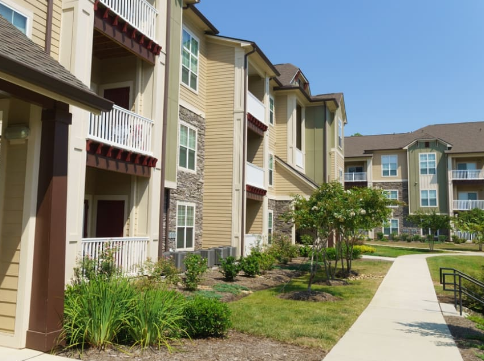
Apartments, especially those built in recent years, often benefit from modern design principles and superior energy efficiency. Newer constructions typically feature better insulation, high-performance windows, and more efficient HVAC systems, leading to reduced heat loss and lower energy consumption. The smaller footprint of individual units also contributes to lower overall energy demands. This translates to lower utility bills and a more sustainable living environment. For those conscious of their environmental impact and seeking to manage living expenses effectively, the energy efficiency of modern apartments is a significant plus.
The Limitations of Apartment Living: Understanding the Downsides
Despite their numerous advantages, apartment living also comes with its own set of constraints that prospective buyers and renters must carefully consider.
Restricted Space and Limited Personalization
The most apparent drawback of apartment living is the inherent limitation on space and personal freedom. You may have to compromise on the number of rooms, the amount of storage space, or the availability of private outdoor areas. The ability to personalize your living space can also be curtailed. Making significant alterations, such as knocking down walls or changing exterior features, is usually prohibited without explicit permission from the landlord or freeholder, who often has strict rules regarding property modifications. This can be a significant point of contention for individuals who envision a highly customized living environment.
Shared Living and Potential for Conflict
Living in close proximity to neighbors means sharing walls, floors, and ceilings, which can inevitably lead to issues with noise. While most residents are considerate, the potential for disturbances from music, footsteps, or general activity is higher than in a detached house. Furthermore, apartment living often involves adhering to a set of communal rules and regulations established by the building’s management or HOA. These rules can dictate everything from pet policies and noise levels to parking arrangements and the use of common areas, potentially limiting your lifestyle choices and activities. Navigating these shared living dynamics requires a degree of compromise and tolerance.
Investment Potential and Leasehold Complexities
While apartments can be excellent starter homes or convenient urban residences, their long-term investment potential may not always match that of single-family homes. Apartments often appreciate at a slower rate, as they typically have less land value and limited potential for significant structural improvements that drive appreciation. Moreover, many apartments are sold on a leasehold basis, which introduces a layer of complexity. Leaseholders must contend with issues such as lease extensions, ground rent charges, escalating service fees, and potential disputes with the freeholder. These factors can impact the overall value and desirability of an apartment as a long-term investment. Understanding the terms of any condo for sale regarding leasehold is crucial.
Making Your Informed Decision: Empowering Your Real Estate Journey
Ultimately, the choice between buying a house or an apartment is a deeply personal one, with no universally correct answer. The ideal dwelling is one that seamlessly integrates with your financial standing, your lifestyle aspirations, and your vision for the future. It’s about finding the perfect equilibrium between space, cost, convenience, privacy, and investment potential.
As seasoned professionals who have guided countless clients through this critical decision-making process, we understand the intricacies involved. We recognize that your journey to finding your next home is unique. Whether you’re drawn to the expansive possibilities of a suburban house or the vibrant convenience of a downtown apartment, our expertise is at your disposal.
We encourage you to reflect on the factors discussed, weigh the pros and cons against your personal circumstances, and then take the next step. If you’re ready to explore your options in detail, whether you’re looking for houses for sale in Denver or seeking to understand the market for apartments in Chicago, we are here to provide tailored advice and unwavering support. Connect with us today to discuss your real estate goals and embark on a path toward finding the perfect place to call home.