
Condo Versus Apartment: Navigating Your Homeownership and Rental Landscape
For a decade now, I’ve been immersed in the real estate market, guiding countless individuals through the often-complex decisions surrounding where to plant their roots. One of the most frequent crossroads I encounter is the choice between a condominium (condo) and an apartment. While on the surface they might appear to be interchangeable living spaces within larger structures, the nuances between them are significant and can profoundly impact your financial well-being, lifestyle, and long-term goals. This isn’t merely about choosing a roof over your head; it’s about selecting a type of ownership, a financial commitment, and a community experience. Let’s demystify the core differences and help you discern which path aligns best with your individual circumstances in today’s dynamic housing market.
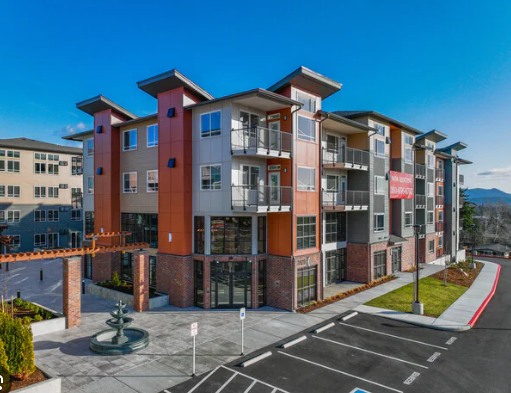
Unpacking the Fundamental Distinction: Ownership vs. Leasehold
At its heart, the most crucial divergence between a condo and an apartment lies in the concept of ownership. This single factor dictates nearly every other aspect of your living situation, from your financial obligations to your day-to-day responsibilities.
Condominium Ownership: Investing in Your Own Piece of the Pie
When you purchase a condominium, you are buying a specific residential unit outright. This means you own the interior of your living space, from the walls inward. Think of it as owning a detached house, but with the shared responsibility of certain exterior and communal elements. As a condo owner, you are actively building equity with every mortgage payment. As the property’s value appreciates over time, so does your personal wealth. You have the autonomy to customize and decorate your interior space to your heart’s content, within the guidelines of the condominium association, of course. However, the building’s facade, roof, hallways, elevators, and shared amenities like swimming pools or fitness centers are collectively owned and managed by a Homeowners Association (HOA). You become a member of this association and are obligated to pay monthly or quarterly HOA fees, which contribute to the upkeep, insurance, and management of these shared elements.
Apartment Living: The Flexibility of Renting
In contrast, an apartment is a unit that you lease for a defined period, typically from a landlord or a professional property management company. You do not own the property; you are a tenant, paying rent for the right to occupy the space. This arrangement offers a significant degree of flexibility, particularly for those who are transient, unsure of their long-term location, or prefer not to shoulder the responsibilities of property ownership. As a renter, your primary obligation is to pay your monthly rent on time. The landlord or property management company typically assumes all maintenance responsibilities, encompassing both the interior of your unit and the exterior of the building, as well as common areas. While this offers convenience, it’s crucial to understand that your rent payments do not contribute to any personal investment; they benefit the property owner.
The Financial Blueprint: Decoding the Costs
The financial implications of choosing between a condo and an apartment are substantial and warrant careful consideration. Understanding the full spectrum of costs associated with each is paramount to making an informed decision.
The Financials of Acquiring a Condo:
Purchasing a condominium is a significant financial undertaking. Beyond the sticker price, several other expenses come into play:
Down Payment: This is your initial upfront contribution towards the purchase price, typically a percentage (often 5-20%) of the condo’s value. Securing a lower down payment may necessitate Private Mortgage Insurance (PMI).
Closing Costs: These are a collection of fees paid at the finalization of the sale. They can include appraisal fees, title insurance, attorney fees, loan origination fees, and transfer taxes, often amounting to 2-5% of the loan amount.
Private Mortgage Insurance (PMI): If your down payment is less than 20% of the purchase price, your lender will likely require PMI to mitigate their risk. This adds a monthly premium to your overall housing expense.
Monthly Mortgage Payment: This consists of two main components: the principal (which reduces your loan balance) and the interest (the cost of borrowing money). Property taxes and homeowners insurance premiums are often bundled into this payment via an escrow account.
Homeowners Insurance: While the HOA typically insures the building’s exterior and common areas, you are responsible for insuring the interior of your unit and your personal belongings.
Property Taxes: These are levied annually by your local government based on the assessed value of your condo. These taxes are crucial for funding public services.
Utilities: As an owner, you are directly responsible for the cost of electricity, gas, water, and sewer services for your unit.
Maintenance & Repairs (Interior): While the HOA handles exterior and common area upkeep, you are solely responsible for any repairs or maintenance needed within your unit, from a leaky faucet to a broken appliance.
HOA Fees: These recurring fees (monthly or quarterly) are non-negotiable and cover the costs of maintaining common areas, amenities, building insurance, and often, professional management. These fees can vary significantly depending on the amenities and services offered by the development.
The Financial Landscape of Apartment Rentals:
Renting an apartment, while generally more accessible upfront, still involves a series of financial commitments:
Application Fee: Landlords often charge a non-refundable fee to cover the costs of processing your rental application, including credit and background checks.
Security Deposit: This is a refundable amount held by the landlord to cover any damages to the unit beyond normal wear and tear. It’s typically equivalent to one or two months’ rent.
Monthly Rent: This is your recurring payment for occupying the apartment. Rent prices can fluctuate based on location, size, amenities, and market demand.
Utilities: Depending on your lease agreement, you may be responsible for electricity, gas, water, sewer, and trash removal. In some instances, certain utilities might be included in the rent, but this is becoming less common.
Renters Insurance: This is a vital, yet often overlooked, expense. Renters insurance protects your personal belongings from damage, theft, or loss. It’s generally very affordable.
Pet Rent/Deposit: If you have a pet, many landlords require an additional monthly pet rent, a one-time pet deposit, or a non-refundable pet fee.
Parking Fees: If assigned parking or a garage spot is not included in your rent, you may incur additional monthly fees.
Maintenance and Amenities: Lifestyle Considerations
Beyond the purely financial, the day-to-day realities of maintenance and the availability of amenities can significantly influence your living experience.
Condo Maintenance: A Shared Responsibility
As a condo owner, you are the steward of your interior living space. This means you are responsible for keeping your unit in good repair, addressing any issues that arise within its walls. However, the burden of maintaining the building’s exterior, the landscaping, common hallways, elevators, and any shared amenities is typically shouldered by the HOA. This collective responsibility is funded through your HOA fees, which ensures that the property is kept in good condition, thereby preserving property values.
Apartment Maintenance: The Landlord’s Domain
For apartment dwellers, maintenance is largely the landlord’s concern. If a faucet leaks, a light fixture malfunctions, or a storm damages the building’s exterior, you report it to your landlord or property manager, and they are responsible for arranging and paying for the repairs. This hands-off approach to maintenance is a significant draw for many renters, offering peace of mind and freeing up time.
The Allure of Amenities: Enhancing Your Living Experience
Both condominiums and apartments can offer a range of amenities that enhance convenience and lifestyle. The availability and quality of these amenities can be a deciding factor for many.
Condominium Amenities:
Condo developments often boast an impressive array of shared amenities, designed to foster a sense of community and provide resort-like living. Common features include:
Fitness Centers: Fully equipped gyms for your workout needs.
Swimming Pools and Spas: Ideal for relaxation and recreation.
Business Centers: Convenient spaces for remote work or meetings.
Clubhouses and Lounges: Areas for social gatherings and events.
Concierge Services: Assistance with tasks like package delivery or booking services.
On-site Security: Enhanced safety measures for residents.
Grilling Areas and Outdoor Spaces: For enjoying the outdoors.
Apartment Amenities:
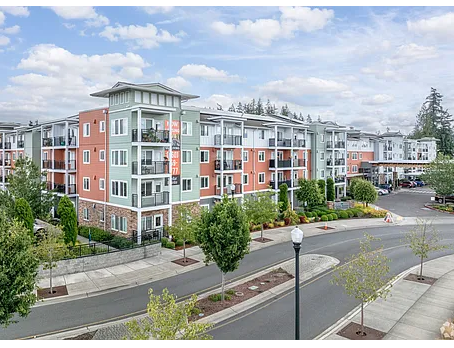
Apartment complexes, particularly larger ones, also frequently offer desirable amenities to attract and retain residents. These can include:
Fitness Centers: Similar to condos, offering convenient workout facilities.
Swimming Pools: A popular feature for cooling off and socializing.
Business Centers and Co-working Spaces: Catering to the growing remote workforce.
In-Unit or On-Site Laundry Facilities: A significant convenience.
Grilling Stations and Picnic Areas: For outdoor dining.
Playgrounds and Dog Parks: Family-friendly and pet-centric features.
Covered or Garage Parking: Offering protection for vehicles.
The Weighing Scales: Pros and Cons of Each Path
To solidify your understanding, let’s summarize the advantages and disadvantages of both condo ownership and apartment renting.
Buying a Condo: The Investment and Ownership Path
Pros:
Building Equity: Each mortgage payment contributes to your ownership stake, increasing your net worth over time. This is a cornerstone of wealth accumulation for many.
Personalization and Freedom: You have the ability to renovate, decorate, and truly make your space your own, within HOA guidelines. This level of control is not available to renters.
Potential for Appreciation: Real estate values, including condos, tend to increase over the long term, providing a potentially lucrative investment.
Community and Shared Amenities: Access to exclusive amenities and the potential for a close-knit community environment.
Cons:
Higher Upfront Costs: Requires a substantial down payment and closing costs, which can be a barrier to entry.
Ongoing Financial Obligations: Beyond the mortgage, you face property taxes, homeowners insurance, PMI (potentially), and mandatory HOA fees, which can be unpredictable and increase over time.
HOA Rules and Restrictions: You must abide by the rules and regulations set by the HOA, which can limit your autonomy in certain aspects, such as exterior modifications or rental policies.
Maintenance Responsibility (Interior): You are responsible for the upkeep and repair of your individual unit.
Renting an Apartment: The Flexible and Low-Commitment Path
Pros:
Lower Upfront Costs: Typically requires only a security deposit and the first month’s rent, making it more accessible.
Predictable Monthly Expenses: Your rent payment is generally fixed for the lease term, making budgeting easier.
Flexibility and Mobility: Easier to relocate for job opportunities or personal reasons. Breaking a lease is generally less complex and costly than selling a property.
Minimal Maintenance Responsibilities: Landlords handle most repairs and upkeep, freeing you from these burdens.
Access to Amenities: Many apartment complexes offer amenities without the direct costs of ownership.
Cons:
No Equity Building: Your rent payments do not contribute to any personal investment.
Limited Control and Customization: You have little to no ability to make significant changes to your living space.
Rent Increases: Landlords can increase rent at the end of each lease term.
Potential for Landlord Disputes: While rare in well-managed properties, disagreements with landlords can arise.
Rules and Regulations: You must adhere to the landlord’s rules regarding pets, noise, and decor.
Identifying Your Ideal Scenario: Who Should Choose What?
The “right” choice between a condo and an apartment is deeply personal and depends on your current life stage, financial situation, and future aspirations.
Who Should Consider Buying a Condo?
Aspiring Investors: Individuals looking to build wealth through real estate and take advantage of potential property appreciation.
Long-Term Residents: Those who plan to stay in an area for several years and want to establish roots.
Downsizers: Retirees or empty nesters seeking a smaller, manageable living space with fewer maintenance demands than a single-family home, but still desire ownership.
Those Who Value Personalization: Individuals who enjoy having the freedom to decorate and customize their living space.
People Seeking Specific Amenities: Those who desire consistent access to amenities like pools, gyms, or concierge services and are willing to pay for them through HOA fees.
Who Should Consider Renting an Apartment?
Individuals Not Ready for Homeownership: Those who are not financially prepared for the upfront costs or ongoing responsibilities of owning a home.
The Highly Mobile: Professionals who may need to relocate frequently for their careers or individuals who enjoy exploring different cities.
Budget-Conscious Individuals: Those who prioritize lower monthly housing costs and predictable expenses.
People Who Prefer Minimal Responsibility: Individuals who want to avoid the hassles of home maintenance and repairs.
Students or Young Professionals: Those in transitional phases of life who may not yet know where they want to settle long-term.
Navigating Your Next Steps with Confidence
The decision between a condo and an apartment is a significant one, impacting your financial future and daily life. By understanding the fundamental differences in ownership, costs, maintenance, and lifestyle amenities, you are empowered to make a choice that truly serves your needs. Whether you’re envisioning the pride of homeownership or the freedom of renting, the key is to align your decision with your personal goals and current circumstances.
As you consider your options, remember that the real estate market is constantly evolving. If you’re ready to explore your financial capacity for homeownership or wish to discuss specific rental markets in your area, I encourage you to connect with a qualified mortgage professional or a local real estate agent. They can provide personalized guidance and help you navigate the intricate details, ensuring you take the confident next step toward your ideal living situation.