
Navigating Your Next Home: Condo vs. Apartment vs. Townhouse – A Decade of Insight
For the past ten years, I’ve immersed myself in the intricacies of the U.S. housing market, witnessing firsthand the evolving desires and practical needs of individuals seeking their ideal dwelling. Among the most frequent points of contemplation for prospective homeowners and renters alike revolve around three distinct residential archetypes: the condominium, the apartment, and the townhouse. While often conflated or misunderstood, the nuanced differences between these options are pivotal in making an informed decision that aligns with your lifestyle, financial aspirations, and long-term goals. This deep dive, informed by a decade of market observation and industry experience, aims to demystify these choices, offering clarity to empower your next significant housing move.
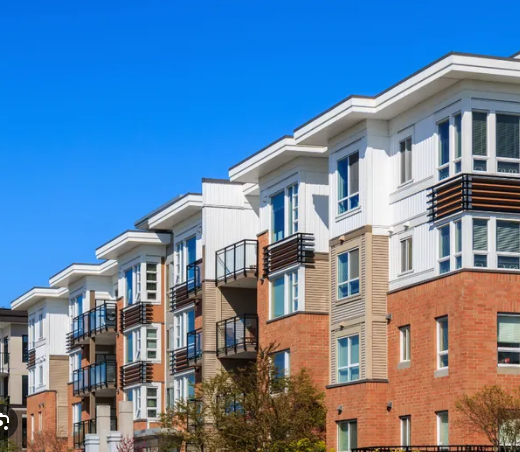
The landscape of modern living offers a spectrum of choices, each with its unique value proposition. Whether your heart yearns for the low-maintenance elegance of a condo purchase, the transient flexibility of renting an apartment, or the hybrid autonomy of a townhouse, understanding the fundamental distinctions is paramount. Let’s unpack the core characteristics, financial implications, and lifestyle considerations of each to equip you with the confidence needed to select the perfect fit.
Decoding the Condominium: Ownership, Community, and Shared Responsibility
A condominium, or condo, fundamentally represents a private residence within a larger structure or community, yet distinguished by its ownership model. Since the advent of the first condo development in the U.S. in Salt Lake City back in 1960, this form of housing has experienced exponential growth, becoming a cornerstone of urban and suburban living for a diverse range of individuals, from first-time homebuyers to those seeking to downsize.
The defining characteristic of a condominium lies in its ownership structure. Unlike an apartment, where you are a renter, a condo is a property that you can purchase, own, and subsequently sell. This ownership extends to your individual unit, granting you the right to modify, renovate, and build equity over time. However, this private ownership is intertwined with a communal aspect. Condominium residents typically share ownership and responsibility for common areas and amenities. This can encompass a wide array of facilities, from parking garages and recreational rooms to swimming pools, fitness centers, and meticulously landscaped grounds.
The operational oversight and maintenance of these shared spaces are not borne by individual owners directly. Instead, condominium owners pay monthly condo fees, also referred to as homeowners association (HOA) dues or common charges. These fees are calculated as a percentage of the shared costs associated with running the entire complex. A board of directors, typically comprised of elected condo owners, manages the budget, which covers the upkeep, repairs, and insurance for all common elements. This includes employing landscaping services, pool maintenance crews, and building staff. Essentially, your condo fees are your investment in a professionally managed community and its amenities, ensuring they remain in top condition.
Understanding Condo Fees and Assessments:
The average condo fee can fluctuate significantly, generally ranging from approximately $100 to $700 per month. However, this figure is heavily influenced by the scope and luxury of the shared amenities. A complex boasting a resort-style swimming pool, a fully equipped spa, and a state-of-the-art gym will naturally command higher monthly fees to cover their extensive upkeep. These fees are not merely for day-to-day operations; they also contribute to reserve funds earmarked for major repairs and capital expenditures, such as replacing a roof or elevator.
Furthermore, it is crucial to be aware of special assessments. These are additional, often unexpected, charges levied upon condo owners when the reserve fund is insufficient to cover a significant repair or capital project. This situation can arise, for instance, after natural disasters or unforeseen structural issues. Special assessments are typically paid in installments until the cost is fully covered, and understanding a condo association’s financial health and reserve fund status is a critical part of the purchasing process. While condo fees cover communal expenses, they do not typically include individual property taxes or utilities for your unit. Prospective buyers must inquire about these separately.
Condo Association Rules and Regulations:
A key aspect of condo living involves adherence to the established rules and regulations set forth by the condo association, often detailed in Covenants, Conditions, and Restrictions (CC&Rs). These bylaws, which buyers agree to upon purchase, can govern a wide range of aspects of homeownership, from pet ownership policies (size, breed, number) to rules regarding renovations, exterior decorations, and even age restrictions in communities like 55+ communities. Thoroughly reviewing the CC&Rs before committing to a purchase is an essential step to ensure the community’s rules align with your lifestyle.
Distinguishing the Apartment: Rental Flexibility and Landlord Responsibility
An apartment represents the most common form of rental housing in the United States. Unlike a condominium, an apartment is a residential unit that is leased, not owned, by its occupant. The primary distinction between an apartment and a condo lies in the ownership model and the associated responsibilities. When you rent an apartment, you are entering into a contract with a landlord or property management company who retains ownership of the property.
The key advantage of apartment living is its inherent flexibility. Renters are typically not burdened with the long-term financial commitment of homeownership, nor are they responsible for significant maintenance or repair costs. When something breaks within an apartment unit – be it a leaky faucet, a malfunctioning appliance, or an issue with the heating system – it is generally the landlord’s responsibility to arrange and pay for its repair. This applies to both interior issues and, often, exterior maintenance such as lawn care or snow removal.
Apartment rentals usually require a lease agreement, typically for a term of six months to a year, although shorter or longer leases can sometimes be negotiated. The upfront costs associated with renting an apartment are generally lower than those for purchasing a home. These typically include the first and last month’s rent, a security deposit (usually equivalent to one month’s rent), and potentially a pet deposit.
Apartment vs. Condo: A Tale of Two Models:
The fundamental difference between a condo and an apartment boils down to ownership. Owning a condo allows you to build equity and enjoy the freedom to customize your living space. Renting an apartment offers greater flexibility and significantly reduced maintenance responsibilities. For individuals who are uncertain about their long-term plans in a particular city, are budget-conscious regarding upfront costs, or prefer to avoid the responsibilities of property upkeep, an apartment remains an attractive and practical choice. The monthly cost of renting an apartment can sometimes be comparable to, or even exceed, the combined monthly costs of mortgage payments, condo fees, and utilities for a comparable condo, making a detailed financial comparison essential.
Embracing the Townhouse: Privacy, Space, and a Touch of Autonomy
A townhouse occupies a unique space in the residential spectrum, blending elements of both condominiums and single-family homes. A townhouse is a multi-story dwelling that shares one or more walls with adjacent units but typically boasts its own private entrance and, often, a small private outdoor space, such as a patio or a small yard.
The ownership model for townhouses can vary. In many cases, townhouse ownership includes not only the interior of the unit but also the land upon which it sits. This distinction is significant because it grants the homeowner greater autonomy over their property, including the potential for more extensive customization and exterior alterations. However, this increased control comes with increased responsibility. Townhouse owners are typically responsible for the exterior maintenance of their unit, including roofing, siding, and landscaping, similar to a single-family homeowner.
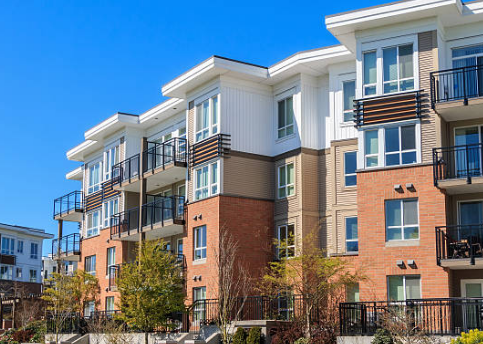
Townhouses are particularly popular among those seeking the feel and functionality of a single-family home without the associated price tag or the extensive land maintenance of a detached property. They often provide more interior space and privacy than a typical condo unit, making them an appealing option for growing families, pet owners, or individuals who desire more personal outdoor space. Townhouses are frequently situated in vibrant urban or suburban neighborhoods, offering a balance of community living and individual dwelling.
Townhouse vs. Condo: A Lifestyle Alignment:
The choice between a townhouse and a condo often hinges on individual lifestyle preferences. If convenience, minimal exterior maintenance, and access to shared amenities like pools and gyms are paramount, a condo might be the preferred option. Condos are often favored by city dwellers or those who embrace a low-maintenance, community-centric lifestyle.
Conversely, if greater privacy, more substantial living space, and the freedom to personalize your home, both inside and out, are higher priorities, then a townhouse might be the better fit. Townhouses are ideal for families, individuals with pets who desire outdoor access, or anyone seeking a semi-detached living experience with more personal control over their property.
Navigating the Purchase of a Condominium: A Strategic Approach
The allure of owning a condominium – often more affordable than a traditional single-family home and boasting desirable amenities – makes it a compelling choice for many, especially first-time homebuyers. However, acquiring a condo involves a unique set of considerations beyond those of a typical home purchase.
Evaluating the Unit and Its Surroundings:
Beyond the internal features of a condominium unit, it is imperative to meticulously assess its immediate environment. Noise transmission is a critical factor, as you will be sharing walls, and potentially ceilings and floors, with neighbors. Scheduling showings during peak activity hours, such as evenings or weekends, can provide a realistic gauge of noise levels. Engaging with current residents to inquire about ambient noise from traffic, neighbors, and the general community offers invaluable insights.
The physical layout of the unit itself can also mitigate noise. End units, for instance, share fewer walls compared to interior units, potentially leading to a quieter living experience. While these units may command a higher price, the investment in peace and quiet can be well worth it for those sensitive to noise.
Due Diligence on the Condo Board and Association:
When you purchase a condominium, you are not just buying a unit; you are becoming part of a community governed by an association with its own set of rules and bylaws. A thorough review of the condominium association’s documents, including the CC&Rs, is non-negotiable. These documents outline the rights and responsibilities of owners, as well as the association’s enforcement mechanisms and potential penalties for non-compliance. Familiarize yourself with regulations pertaining to pets, renovations, parking, and any other aspects that could impact your daily life.
Crucially, prospective buyers must conduct due diligence on the financial health of the condominium association. This involves examining financial statements, reserve fund status, and any history of special assessments. A financially sound association is more likely to maintain the property effectively and is also a key factor for mortgage lenders.
Securing Condominium Financing:
Obtaining a mortgage for a condominium can sometimes present more challenges than securing financing for a single-family home. Lenders often conduct a more rigorous review of the condominium development as a whole. They assess the financial stability of the association, the occupancy rates of the units, and the overall condition of the building. This enhanced scrutiny, while demanding, ultimately serves as an additional layer of protection for your investment, ensuring the long-term viability of the community.
Making Your Informed Decision
Choosing between a condo, apartment, or townhouse is a deeply personal decision, influenced by your financial situation, lifestyle preferences, and future aspirations. Each offers a distinct pathway to homeownership or residency, with its own set of benefits and responsibilities. By thoroughly understanding these differences, conducting diligent research, and considering your unique needs, you can confidently navigate the complexities of the real estate market and secure the living situation that best supports your vision for the future. If you’re ready to explore your options further or need expert guidance on navigating the condo market in your desired location, consider connecting with a local real estate professional who can provide tailored advice and support throughout your home buying journey.