
From Dream to Deed: Navigating the New Construction Home Buying Process with Expert Precision
Stepping out of a beautifully staged show home, the scent of fresh paint lingering in the air, can be an intoxicating experience. You’ve envisioned your life unfolding within those pristine walls, perhaps hosting your first holiday gathering or watching your children grow in the perfect backyard. This initial spark of connection is powerful, but it’s merely the first step on a meticulously structured journey. As a real estate veteran with over a decade immersed in the nuances of the new construction home market, I’ve guided countless clients through this exciting yet complex process. The illusion of a turnkey solution often belies the critical due diligence required. To transform that aspirational visit into a confident ownership, a strategic, informed approach is paramount.

This isn’t just about admiring granite countertops; it’s about making one of the most significant financial and lifestyle commitments of your life. Ignoring the critical steps post-show home visit can lead to unforeseen complications, costly delays, or buyer’s remorse. My goal here is to equip you with the expert insights needed to navigate the new construction home buying process with clarity, ensuring your dream becomes a well-executed reality, fortified against common pitfalls and optimized for long-term satisfaction.
Financial Fortification: Building the Foundation for Your New Construction Home
The allure of a pristine new construction home can quickly overshadow practicalities, but before you get too deep into visualizing furniture, your finances must be meticulously organized. This isn’t just about knowing what you can afford; it’s about understanding what you should afford, factoring in both immediate costs and future financial resilience.
The Power of Pre-Approval (and Beyond):
While getting pre-approved for a mortgage is a fundamental first step, many buyers stop there. From an industry perspective, a pre-approval is a starting point, not the destination. Engage with multiple mortgage lenders or a trusted mortgage broker. Explore various loan types—conventional, FHA, VA—and understand their specific requirements, interest rates (fixed vs. adjustable), and down payment implications. For a new construction home, some builders have preferred lenders offering incentives, but it’s crucial to compare these against independent lenders to ensure you’re getting the best terms. Sometimes, a seemingly attractive builder incentive might come with a slightly higher interest rate or less favorable terms over the life of the loan. This is where researching mortgage refinancing options upfront can offer a strategic advantage, allowing you to gauge future flexibility.
Unearthing All the Costs:
The sticker price of a new construction home is rarely the final bill. Beyond the down payment, you must account for closing costs (often 2-5% of the loan amount), property taxes, homeowner’s insurance, and potentially HOA (Homeowners Association) fees. Many states have specific transfer taxes or recording fees. Understanding these line items in detail prevents unpleasant surprises at closing. I often advise clients to create a detailed budget that includes initial out-of-pocket expenses for things like utility hook-ups, window treatments, and landscaping – elements often not included in the base price of a new construction home. For those considering a luxury real estate investment, these seemingly small details can significantly impact the overall ROI.
Long-Term Financial Planning:
A new construction home represents more than just shelter; it’s an investment. Consider the long-term implications of your mortgage payment against your income, future financial goals, and emergency savings. What if interest rates fluctuate? How will property taxes evolve in your chosen community? For high-net-worth individuals, incorporating this purchase into a broader real estate investment strategies portfolio means consulting with a financial advisor who specializes in property investment advice. They can help evaluate how this asset fits into your overall wealth management plan, perhaps even discussing home equity loan rates for future liquidity. Solidifying your financial groundwork now lays the foundation for a confident, stress-free ownership experience.
Securing Your Vision: The ‘Hold’ and the Builder’s Contract
Once your financial house is in order and a specific new construction home floor plan or lot captivates you, the instinct is to “hold” it. In the US market, this typically translates to a reservation agreement or an initial earnest money deposit.
The Reservation Agreement & Earnest Money:
A “hold” on a new construction home is usually formalized with a reservation agreement and an earnest money deposit. This deposit demonstrates your serious intent to purchase and is typically held in an escrow account. The amount can vary significantly based on the builder, community, and price point of the home. It’s crucial to understand the terms under which this deposit is refundable, should your plans change or contingencies not be met. What are the specific conditions for forfeiture? When does it become non-refundable? These are questions often glossed over in the excitement but are critical to your financial protection.
The Invaluable Role of a Buyer’s Agent:
It’s a common misconception that you don’t need a real estate agent when buying a new construction home directly from a builder. This couldn’t be further from the truth. The builder’s sales representative works for the builder, representing their interests. An experienced buyer’s agent, however, represents your interests. They can help you:
Negotiate: From the base price to upgrades and builder incentives, a skilled agent can often secure better terms than you might on your own.
Understand Contracts: Builder contracts are often complex, favoring the builder. Your agent, possibly alongside a real estate attorney, can help you interpret clauses related to change orders, completion dates, warranties, and potential delays.
Identify Red Flags: An expert agent can spot issues with specific lots, builder reputations, or community development plans that might not be immediately apparent.
Navigate the Process: They coordinate with the builder, lenders, and inspectors, streamlining communications and ensuring deadlines are met.
Access Developer Financing Programs: While comparing, your agent can also clarify the specifics of any builder-offered financing.
Engaging an agent early in the process, ideally before your first visit to a show home, is a strategic move that costs you nothing (as the builder typically pays their commission) and provides invaluable advocacy.
Understanding the Builder’s Contract:
The purchase agreement for a new construction home is a legally binding document. It will detail everything from the purchase price, upgrade selections, construction timeline, and payment schedules to warranty provisions and dispute resolution mechanisms. This document can be lengthy and dense, filled with legalese. Never sign without thoroughly reviewing it, preferably with your buyer’s agent and independent legal counsel. Pay particular attention to clauses regarding delays, material substitutions, and the process for identifying and rectifying construction defects. This proactive step is a cornerstone of robust real estate due diligence services.
Beyond the Walls: A Deep Dive into Your Future Neighborhood
The most exquisite new construction home can lose its luster if the surrounding community doesn’t align with your lifestyle. This is where true due diligence extends beyond the property lines.
Community Vitals & Demographics:
Go beyond a superficial drive-by. Research the community’s demographics – age groups, family sizes, average income levels. Are there robust local amenities like parks, recreational facilities, or community centers? Investigate local schools, even if you don’t have children; strong school districts often correlate with higher property values. Understanding the local governance, zoning regulations, and future development plans (e.g., potential for commercial growth, new roads, or green spaces) is vital. A new construction home often means buying into a vision, so ensure that vision aligns with your long-term goals.
Commute, Connectivity & Convenience:
Test your commute during peak hours to your workplace and other frequently visited locations. Evaluate public transportation options, if relevant. Assess proximity to essential services: grocery stores, healthcare facilities, pharmacies, and emergency services. Don’t forget leisure activities: restaurants, shopping, entertainment, and cultural attractions. The convenience factor of your new construction home can significantly impact daily quality of life.
Environmental & Infrastructural Considerations:
Investigate potential noise pollution from highways, airports, or industrial areas. Are there any environmental concerns like flood zones, high-fire-risk areas, or soil stability issues? Research the local infrastructure: water supply, sewage systems, internet providers. Many new construction home communities feature fiber optic internet, but verify specific speeds and providers available to ensure you meet your connectivity needs, especially if remote work is a factor. Understanding property taxes and how they might fluctuate with new construction or community improvements is also critical. These considerations become part of the broader appeal and long-term value of your property within the high-end property market.
The Return Visit: A Second Look with Expert Eyes
Your initial show home visit was likely driven by emotion and excitement. The second, third, or even fourth visit should be methodical, analytical, and armed with a detailed checklist.
The Strategic Walkthrough:
Return during different times of day to assess natural light, noise levels, and neighborhood activity. Bring a measuring tape and floor plans. Visualize your furniture in the space. Consider specific functional aspects:
Storage: Is there ample closet space, pantry, and garage storage?
Electrical Outlets: Are they conveniently located and sufficient for your needs (especially with smart home devices)?
Flow & Functionality: Does the layout truly work for your lifestyle? Is there a logical progression between rooms?
Energy Efficiency: What are the energy ratings (e.g., HERS index)? What insulation, windows, and HVAC systems are included?
Smart Home Features: What technology is pre-installed or easily integrated (thermostats, lighting, security)?
Asking the Right Questions:
Engage the builder’s sales team with specific, detailed questions that go beyond aesthetics:
“What are the precise specifications for the HVAC system, and what is the typical monthly utility cost for similar models?”
“Can I see samples of the actual materials used for the standard finishes versus upgrades?”
“What is the average timeline from contract to close, and what provisions are in place for delays?”
“What is the builder’s warranty, and is there an option for an extended third-party warranty?”
“What happens if there are major construction defects discovered during the build or after closing?”
Bring a notebook and take extensive notes, perhaps even record videos (with permission). This critical return visit helps solidify your choice in a new construction home by scrutinizing the details that truly matter.
The Due Diligence Phase: Reviewing & Refining Your Decision
With financial clarity, a secured option, thorough neighborhood insights, and detailed revisit notes, it’s time for the most critical phase: comprehensive due diligence before signing a final purchase agreement. This is where experience truly pays off.
Independent Home Inspection (Yes, Even for a New Build!):
This is non-negotiable. While a new construction home might seem flawless, builders are human, and mistakes happen. An independent home inspector, specializing in new home communities, will conduct a thorough examination of the structure, systems (HVAC, plumbing, electrical), roofing, foundation, and finishes. They can identify potential issues that even the most meticulous builder might overlook or that might arise from subcontractor work. This report provides crucial leverage for addressing concerns with the builder before closing. I advise clients to hire an inspector with specific experience in custom home builders or large-scale developments, as they understand the unique aspects of new construction.
Understanding Warranties & Guarantees:
Every new construction home comes with a builder’s warranty, but the scope can vary. Typically, these cover different components for different periods (e.g., one year for fit and finish, two years for systems, ten years for structural defects). Read these documents meticulously. What are the claim procedures? What voids the warranty? Are there any third-party extended warranty options? Ensure you understand your rights and the builder’s responsibilities post-purchase.
Legal Counsel Review:
Beyond your buyer’s agent, having a real estate attorney review the final purchase agreement, particularly for a new construction home, is a safeguard against potential legal entanglements. They can identify unfavorable clauses, clarify ambiguities, and advise on any necessary amendments to protect your interests. This is especially true for luxury homes where the stakes and complexities can be higher.
Contingency Clauses:
Ensure your purchase agreement includes appropriate contingencies. Common ones include financing contingencies (your ability to secure a loan), appraisal contingencies (the home appraising for the agreed-upon value), and inspection contingencies (allowing you to back out or negotiate repairs based on the inspector’s findings). These protect you if unforeseen circumstances arise.
Charting Your Course to Ownership: From Agreement to Keys
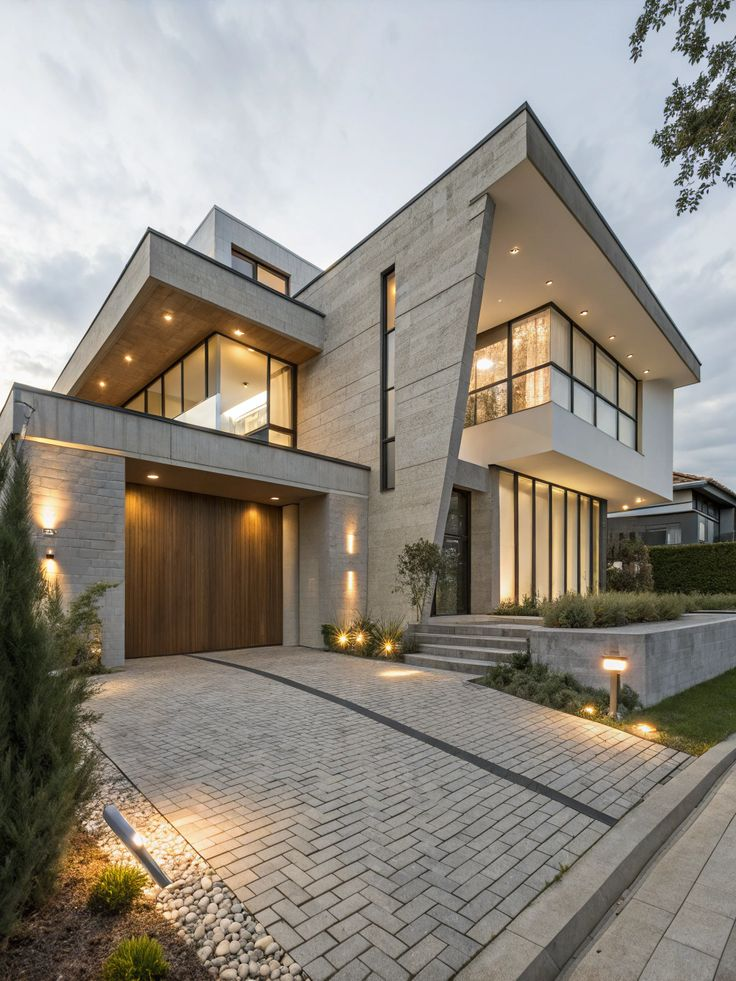
Once due diligence is complete and you’re confident in your decision, the final stages involve signing the Sale and Purchase Agreement and moving towards closing. This phase requires meticulous coordination and attention to detail.
The Purchase Agreement & Escrow:
The Sale and Purchase Agreement is the culmination of your negotiations and due diligence. Once signed, the earnest money typically moves into an escrow account, a neutral third party holding funds and documents until all conditions of the contract are met. This protects both buyer and seller. During this period, your lender will finalize the underwriting process, title searches will be conducted to ensure clear ownership, and any required appraisals or surveys will be completed. For a new construction home, this also includes final builder inspections and any necessary touch-ups.
The Final Walkthrough:
This crucial step typically occurs within 24-48 hours of closing. It’s your last opportunity to verify that all agreed-upon work has been completed, any repairs identified during the inspection have been addressed, and the property is in the condition stipulated in the contract. Test all appliances, lights, and systems. Check for any new damage. If you find issues, document them thoroughly and work with your agent to ensure they are rectified before you take possession. This is your final quality control check on your new construction home.
Closing Day:
This is the day you officially become a homeowner. You’ll sign a myriad of documents, including the promissory note, mortgage, and deed. Be prepared for a substantial amount of paperwork and ensure you understand each document before signing. Your closing costs, including lender fees, title insurance, and other charges, will be due. Title insurance, in particular, protects you and your lender from any future claims against the property’s title. This step signifies the successful culmination of your journey to owning a new construction home.
Your Confident Path to a New Beginning
Purchasing a new construction home is an exhilarating prospect, a blank canvas awaiting your personal touch. However, the path from admiring a show home to receiving the keys is intricate and laden with crucial decision points. By approaching each stage with the diligence, insight, and expertise outlined here, you transcend the initial emotional appeal and make a truly informed investment.
My decade of experience in this industry has shown me that the most satisfied homeowners are those who ask the hard questions, engage the right professionals, and meticulously review every detail. This strategic approach not only protects your financial interests but also ensures that the new construction home you choose is truly the perfect foundation for your future.
Are you ready to transform your show home dream into a tangible reality with unparalleled confidence? Don’t navigate the complexities of the new construction home buying process alone. Reach out today for a personalized consultation, and let’s craft a bespoke strategy to secure your ideal property.