
Every month, a renter pays off a mortgage.
It just isn’t their own. It belongs to the landlord. Rent is an operating cost that disappears the moment it’s paid and leaves no residual value behind. A mortgage installment on a home you own works in the opposite direction. Each payment acts as a built-in savings plan and builds a tangible equity stake in a hard asset.
That contrast sits at the heart of one of the most consequential decisions an individual or family will ever make: keep signing leases, or buy property. One real estate professional, with ten years of direct experience in residential development and advisory work, reports sitting across the table from hundreds of prospective buyers caught in exactly this dilemma. According to this advisor, renters tend to defend their position in practical financial terms. They cite flexibility, a smaller cash outlay up front, and no responsibility for structural repairs. But once the figures are run across a five-to-ten-year horizon, the story changes dramatically.
The advisor adds that the conversation among discerning buyers has moved well beyond independent houses and toward vertical communities, especially in dynamic micro-markets. The steady demand for premium apartments in Tripunithura illustrates a broader paradigm shift. Modern buyers want two things at once: strategic capital appreciation and frictionless, community-oriented living. Shifting from tenant to proprietor, the advisor argues, remains the ultimate wealth-building engine.
Consider first the question of generational equity. Real estate has historically proven to be one of the most reliable inflation hedges available to retail investors. Consumer goods and services grow more expensive over time, and that pushes rental rates upward year after year. Property values, by contrast, traditionally outpace inflationary pressures. Across a decade of watching the market, the advisor has seen buyers who locked into fixed financing structures accumulate substantial net worth. Perpetual renters, meanwhile, have watched their disposable income eroded by cyclical lease renewals.

Predictability is a second consideration, and renting offers little of it. Landlords hold the prerogative to adjust lease rates in response to localized market spikes. That leaves families exposed to unexpected financial strain, or to the exhausting disruption of being forced to move. Buying a home with a structured home loan converts that volatile liability into a stable, fixed cost. Initial monthly outlays may mirror local rental rates or run slightly above them. But the mortgage payment stays fixed even as market rents climb. When the loan tenure ends, the owner enters a coveted phase of rent-free, mortgage-free living. That frees up a great deal of cash flow for retirement, education, or lifestyle enhancements.
Control over the space itself is a third factor. Renting comes with a litany of unwritten rules and explicit restrictions. A tenant cannot knock down a non-structural wall to Improve a workspace, repaint the living room in a favorite color, or install high-end smart home fixtures without going through tedious landlord approval. Even then, the tenant risks losing the security deposit to cover restoring the unit to its vanilla state. Ownership grants absolute creative autonomy. Someone who invests in apartments for sale in Tripunithura can fully customize the interiors, upgrade kitchen hardware to commercial-grade standards, and install custom flooring that matches their aesthetic vision. In the advisor’s view, a living space should be an extension of its occupant’s identity. It should not be a temporary holding pen governed by a restrictive lease agreement.
Taxes and financial habits favor the buyer as well. Governments around the world encourage homeownership through targeted tax frameworks that reward long-term financial commitment. A home loan lets the borrower claim powerful deductions on both the interest portion and the principal repayments, which substantially lowers annual taxable income. Renting offers no equivalent tax shield. Managing a mortgage also instills a high degree of financial discipline. The obligation to make EMI payments on time naturally curbs Impulsive spending, builds a robust personal credit history, and strengthens the borrower’s overall financial profile. A pristine credit score earned through consistent home loan servicing paves the way for seamless future borrowing power.
Flexibility of use is another asset. Buying a spacious 2 BHK or 3 BHK apartment lets an owner adapt their living arrangements as life changes. Modern urban layouts often allow for distinct functional zoning when there is excess square footage, or for future rental yield potential. In high-absorption residential corridors like Tripunithura, rental demand remains perpetually robust. The area’s proximity to employment hubs, educational institutions, and civic infrastructure drives that demand. So if a career path calls for a temporary relocation, the property can pivot easily from a primary residence into a cash-flowing income asset.
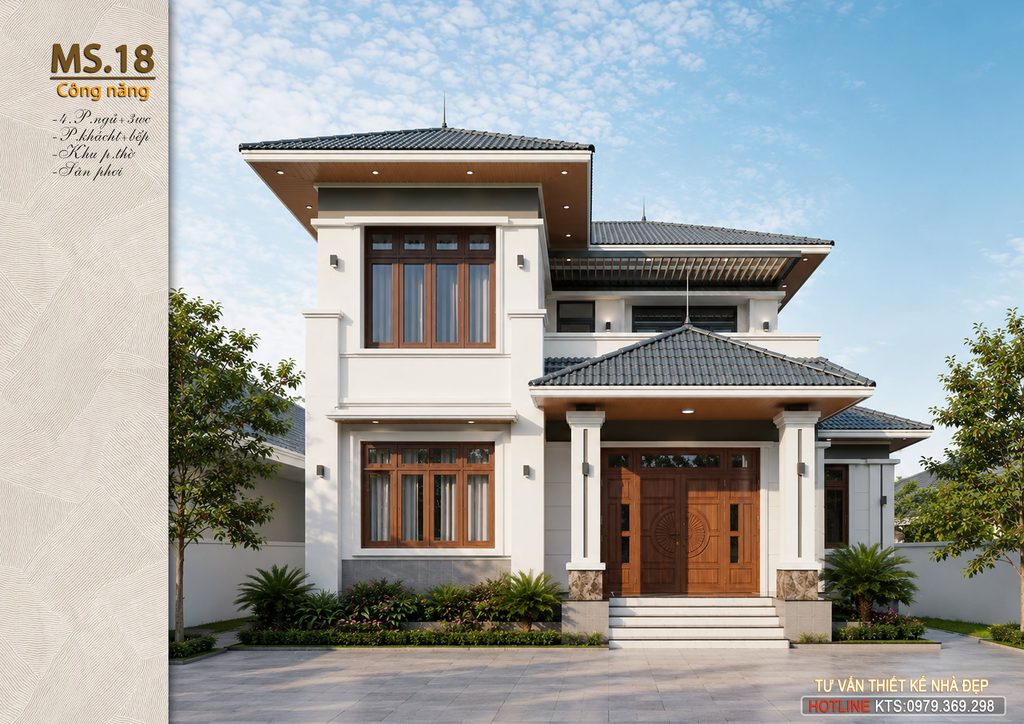
Beyond the balance sheet, apartment living delivers an intangible lift to day-to-day quality of life. Standalone rental houses often lack comprehensive security infrastructure. That leaves residents exposed to localized security concerns and to high maintenance headaches. Modern vertical developments managed by a top builder in Kochi offer integrated, master-planned ecosystems instead. These gated communities provide multi-tiered security protocols, round-the-clock surveillance, dedicated parking, and power backups. They also offer recreational infrastructure, including landscaped parks, state-of-the-art fitness centers, swimming pools, and community clubhouses. That communal framework fosters a deep sense of belonging. It shields families from the isolation often experienced in fragmented rental neighborhoods.
Several common questions come up in this debate. Why is buying a home better than renting? Buying lets a person build equity, benefit from long-term property appreciation, and enjoy complete personal freedom over their living space. Renting provides none of those financial returns or customization rights. What is the biggest advantage of buying over renting? The paramount advantage is wealth accumulation. Every payment goes toward an appreciating asset, rather than into a landlord’s pocket as a non-recoverable expense. What are the advantages of apartments? Compared with independent houses, apartments offer enhanced security, professional facility management, community amenities, and lower individual maintenance responsibilities. And why is apartment life better? It combines private living space with shared access to high-end lifestyle amenities, such as fitness facilities, green zones, and social gathering spaces. All of it is managed under one unified community association.
For the advisor, moving from renting to owning is the single most effective milestone for securing a financial future and raising everyday quality of life. Whether a buyer is searching for premium apartments in Tripunithura or weighing the next major investment vehicle, the data clearly favors ownership over perpetual leasing. At Siddhi Homes, the company engineers sophisticated living spaces designed for comfort, uncompromising security, and long-term capital appreciation. Interested buyers can browse the company’s exclusive portfolio of current developments and schedule a consultation with its advisory team. That is the first definitive step toward owning a home that is truly yours.
So the choice comes down to where each monthly payment ends up: with a landlord, or in an asset that builds equity and appreciates over time. That question is worth settling carefully before the next lease comes up for renewal.
If this breakdown was useful to you, take a second to hit the subscribe button so you don’t miss what comes next. Give the video a like if it helped you think the decision through. And switch on the notification bell, so the latest updates land in your feed the moment they’re published.”