
Picture a typical weekend for the owner of a detached home: clearing the gutters, mowing a wide lawn, repainting the weatherboards, and arranging pest control.
Owning a standalone house can feel like running a maintenance project that never ends. For a growing number of buyers, escaping that cycle is the first reason to consider an apartment, and it is only one of several benefits that are changing how people think about vertical living.
In a well-managed apartment building, the picture looks very different. Professional building management and the owners’ corporation handle routine upkeep before problems develop. That includes exterior window cleaning, landscaping, and structural repairs. Residents do not face the full financial and physical weight of an unexpected repair on their own. Instead, they contribute to a sinking fund, a pooled reserve that allows preventive maintenance and capital Improvements to be carried out efficiently and systematically. The arrangement protects the structural integrity and long-term valuation of every asset in the tower, and it spares individual owners from sudden financial shocks.
Cost sharpens the contrast further. Over recent years, property values in the capital cities have moved in sharply different directions. Detached house prices surged by more than 33 percent, pushing countless families out of inner-ring suburbs. Unit values, by comparison, grew at a much steadier and more sustainable pace. That widening gap between houses and units has opened a window of opportunity for first-time buyers, downsizers, and strategic portfolio builders. Buying an apartment lets them get into premium, blue-chip postcodes that would stay out of reach for anyone who insisted on owning standalone land.
The lower purchase price is only part of the story. Apartment owners also tend to carry smaller ongoing costs. Property taxes, building insurance premiums, and localized maintenance expenses are divided among all the lot owners in a building. That structure shields each household from the punishing and unpredictable bills that come with repairing roofs, foundations, and sprawling yards on a detached block.
Location is the next factor, and it remains the ultimate determinant of long-term property value. Vertical communities hold a clear edge here. Detached houses are bound by suburban sprawl, which often forces homeowners into grueling daily commutes and leaves them isolated from major employment corridors, cultural districts, and transport infrastructure.
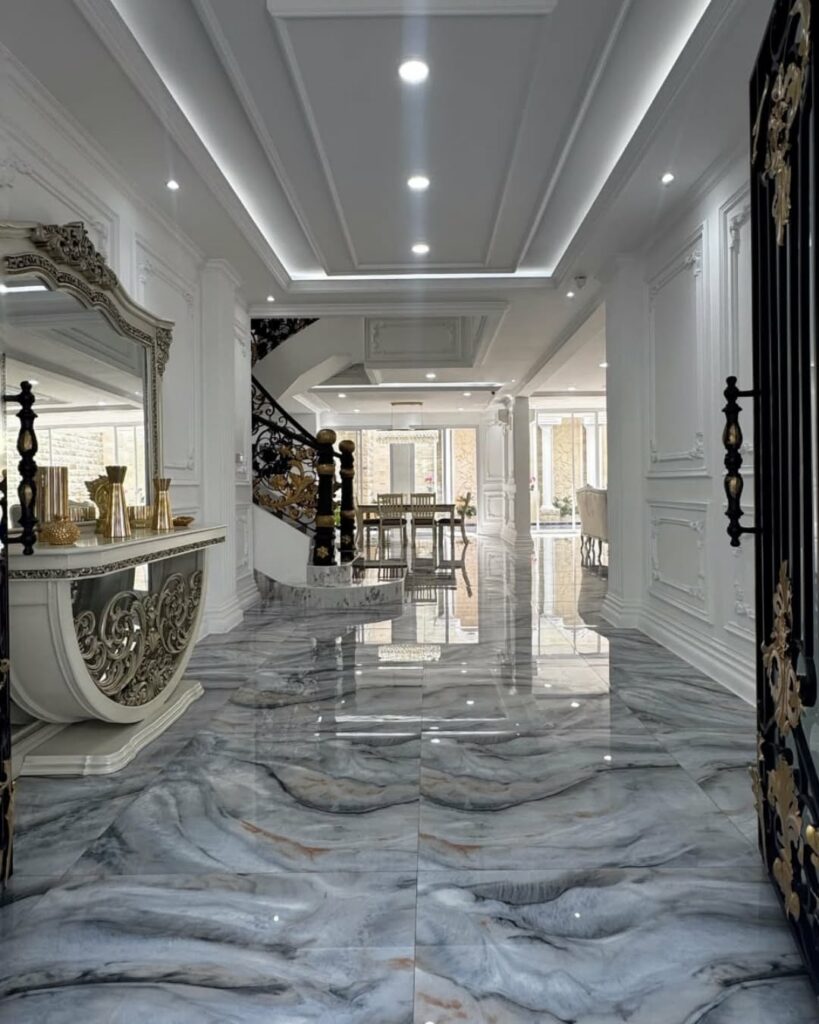
Master-planned apartment precincts take the opposite approach. They are deliberately built into the beating heart of the city. Planners and developers position these projects within walking distance of rapid transit hubs, commercial centers, elite educational institutions, and lifestyle amenities. Shorter daily travel times give apartment dwellers hours of their week back, and the result is a markedly better work-life balance. Living steps away from the workplace, a favorite morning coffee spot, and cultural centers is more than a convenience. It is an investment in personal wellbeing and in time.
The buildings themselves have changed as well. A residential building once offered little more than four walls and a parking stall, but that era has passed. Today’s premier residential towers define luxury by including resort-style facilities that rival five-star hotels, and developers are investing heavily in wellness and recreational ecosystems designed to enrich residents’ daily lives.
Modern developments regularly feature expansive landscaped green spaces, rooftop terraces, fully equipped fitness centers, lap pools, saunas, and dedicated yoga or Pilates studios. Progressive precincts go further, adding private dining rooms, golf simulators, and cinema spaces. Some also include lively ground-floor laneways lined with boutique retail and artisan dining. These features do more than add aesthetic appeal. They actively encourage physical fitness, mental wellness, and easy social interaction, and residents never have to leave the comfort of their own building to enjoy them.
That social dimension deserves its own look. Standalone suburban blocks can inadvertently breed isolation, since high fences and private yards put barriers between neighbors. Vertical living works the other way by design and brings people together. Shared spaces such as elegant hotel-style lobbies, communal gardens, rooftop lounges, and fitness centers act as natural catalysts for connection.
The demographic diversity inside modern apartment complexes adds to this effect and produces a dynamic, inclusive social fabric. A casual conversation over an espresso in the ground-floor laneway is one way it happens. Organized community events such as book clubs, fitness classes, and seasonal celebrations are another. Together they foster a genuine sense of belonging. This built-in network offers valuable social support and makes city life deeply connected rather than anonymous.
Security rounds out the case. For modern homeowners, safety is non-negotiable. Traditional houses often require expensive, piecemeal upgrades, such as individual alarm systems, cameras, and reinforced fencing, and even then they leave blind spots.
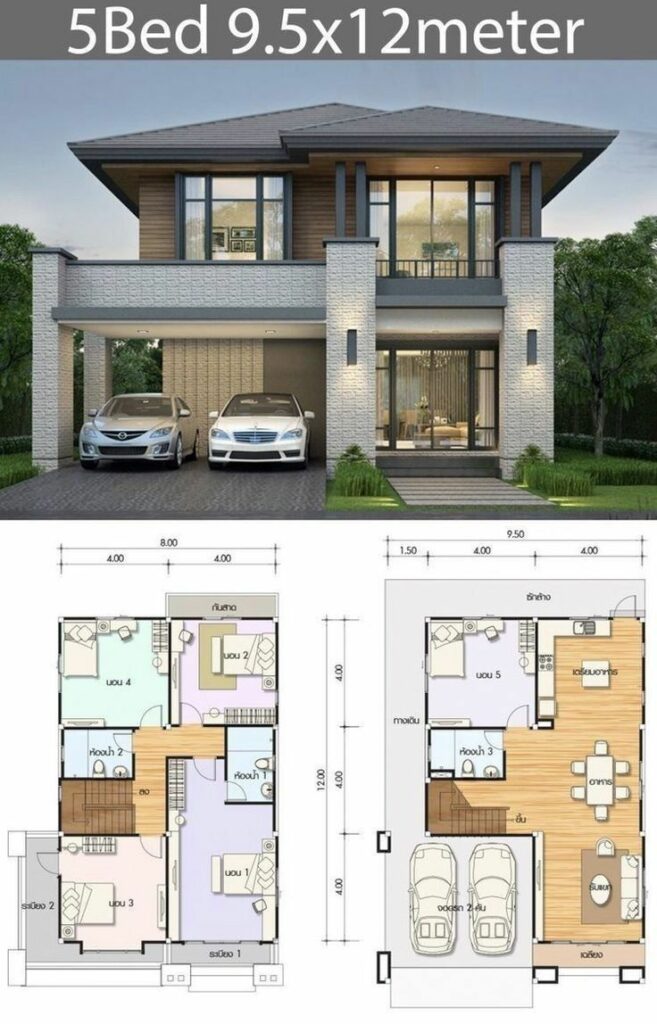
Apartment complexes offer a multi-layered security framework that is inherently stronger. Controlled electronic access, secure basement parking, 24-hour CCTV surveillance systems, and onsite building managers or concierge teams combine to create a highly secure environment. That infrastructure delivers peace of mind, which makes apartments an ideal choice for frequent travelers, busy professionals, and anyone who prioritizes a lock-and-leave lifestyle.
All of this plays out against a demanding backdrop. The real estate sector is under unprecedented pressure, with national vacancy rates historically low at around 0.7 percent and a widening price gap between detached dwellings and units. Under those conditions, buying an apartment has moved from a compromise to a premier lifestyle and wealth-building strategy. The author, who has spent the last decade guiding buyers, managing high-density portfolios, and analyzing urban development trends, has watched vertical communities evolve. They began as a fallback option for budget-conscious buyers and have become the gold standard of modern city living.
The advantages of buying an apartment also reach well beyond a lower initial price. Modern urban architecture, master-planned precincts, and shifting demographic demands have redefined what it means to own property. Buyers may be seeking high-yield real estate investments or a low-maintenance sanctuary in economic hubs such as Melbourne, Perth, and Brisbane. In either case, understanding the core benefits of high-density living will change how they approach the property market.
Deciding where to put your capital is one of the most Important choices you will ever make. Set the rising costs, maintenance burdens, and suburban isolation of traditional land ownership on one side. Set the affordability, connectivity, low-maintenance freedom, and resort-style amenities of vertical living on the other. Weighed that way, the advantages of buying an apartment are hard to deny. Positioning yourself in high-demand urban corridors supports long-term capital growth and a better daily lifestyle. For those ready to explore premium residential opportunities and take the next step toward smarter property ownership, the team of development experts behind this guide invites you to reach out and find your ideal urban sanctuary.
In short, the case rests on a handful of connected strengths: a lower entry price, a central location, shared maintenance, resort-style amenities, a real sense of community, and layered security. Weighing them against the burdens of a detached house raises a fair question about which kind of ownership truly fits the way you want to live.
If this breakdown helped you see the property market more clearly, hit the subscribe button so you stay connected to more reporting like it. Give the video a like if you found it useful, and turn on the notification bell so the latest updates reach you as soon as they are published.”