
Over recent market cycles, detached house values in Australia’s major capital cities climbed more than 33 percent, adding hundreds of thousands of dollars to what a buyer has to pay.
Apartment values over the same stretch rose about 11 percent, a steadier and far more measured gain. That gap sits at the center of a broader shift in the Australian real estate market, and it helps explain why buyers are looking past the traditional quarter-acre standalone block.
The shift comes as housing affordability in metropolitan areas has been stretched to historic limits and cities like Melbourne, Sydney, and Brisbane keep changing quickly. Modern buyers and savvy investors are increasingly setting their sights on the high-yield, lifestyle-driven advantages of apartment living rather than house-and-land packages.
The author of this analysis brings a decade of frontline experience in property development, asset acquisition, and urban market analysis, and has watched the urban landscape transform over that time. The data points the same way: house price growth has consistently outpaced unit appreciation, which has opened a large value gap at the entry level. For first-time homebuyers, downsizers, and portfolio builders, a modern apartment combines affordable entry points, a low-maintenance lifestyle, and solid capital growth potential. What follows is a closer look at why buying an apartment over a house or land is the stronger strategic move.
Start with the cost of getting in, because the barrier to entry is usually the deciding factor when people weigh their options. The widening difference between house and unit prices gives apartment buyers a clear economic edge. An apartment requires a considerably smaller upfront deposit and meets lower mortgage serviceability thresholds, so ownership can come years sooner. Ongoing costs are lighter too. Property taxes, council rates, and building insurance premiums are inherently lower for an apartment than for a sprawling suburban land parcel. Investors benefit as well. A lower purchase price paired with strong urban rental demand often produces stronger gross rental yields, which boosts cash flow from the first day. Choosing a high-density residential asset over a costly house and land package preserves liquidity, reduces debt, and lets a buyer enter the market with a lower financial risk profile.
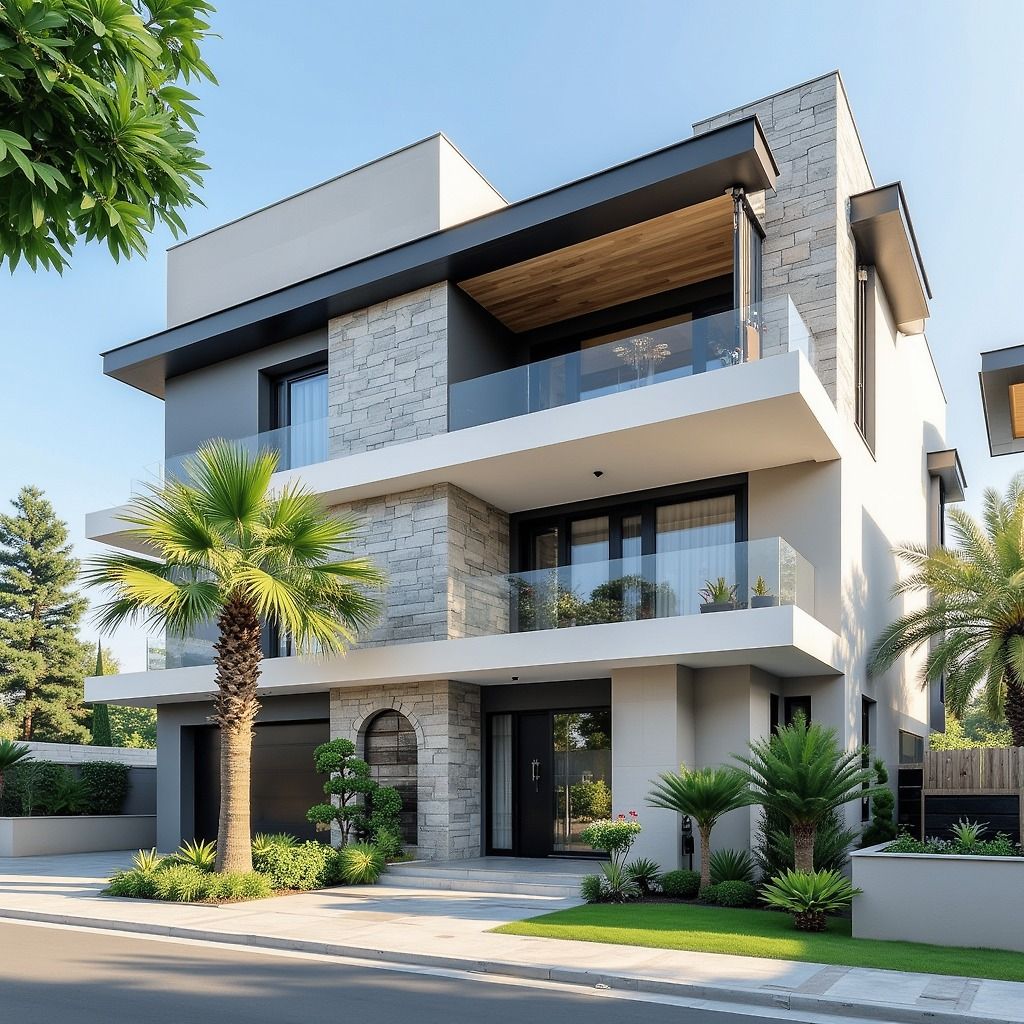
Location is the golden rule of real estate, and this is where vertical communities clearly beat suburban fringe land releases. Standalone houses with land are being pushed steadily outward into outer-ring suburban growth corridors. The result is agonizing daily commutes, heavy dependence on cars, and distance from major employment hubs. Contemporary apartment precincts are built differently, planned around transit-oriented development, or TOD, principles. Residents who live within walking distance of central train stations, tram lines, and bus interchanges cut their weekly commute times drastically. Step outside the front door and corporate headquarters, universities, medical precincts, fine dining, and cultural hotspots are only minutes away. Living centrally also removes the need to own multiple cars, which trims fuel and vehicle maintenance expenses over time. For busy professionals and active urbanites, the time saved in a well-located metropolitan apartment precinct translates directly into a higher quality of life.
The old assumption that buying an apartment means giving up space and lifestyle no longer holds. Modern architectural design and master-planned precinct development have turned apartment living into an Immersive, resort-style experience, one that standalone houses cannot replicate cost-effectively. Today’s premium residential towers offer a wide suite of shared and private amenities that rival five-star hotels. On the health and wellness side, that includes fully equipped commercial-grade gymnasiums, heated indoor and outdoor swimming pools, saunas, yoga studios, and dedicated Pilates rooms. For entertainment and socializing, there are private dining rooms, wine cellars, golf simulators, private cinemas, and expansive resident lounges for hosting guests. Green space is built in as well, through thoughtfully landscaped podium gardens, rooftop terraces, and lively retail laneways with artisan cafes, restaurants, and boutique shopping. A house owner has to maintain a private backyard, pool, and garden on weekends, or pay exorbitant individual installation costs. Apartment residents get turnkey access to premium lifestyle infrastructure that is maintained collectively.
Maintenance is another area where the two options part ways. One of the most liberating parts of moving from a house to an apartment is that weekend chores and grueling home maintenance projects disappear entirely. In a standalone house, every broken gutter, failing hot water system, cracked roof tile, and overgrown lawn lands squarely on the owner, in both labor and capital expenditure. Apartment living shifts that burden to professional building management and active owners’ corporations. Routine exterior maintenance, window cleaning, common area landscaping, and structural repairs are all handled behind the scenes. Regular scheduled inspections keep the building’s structural integrity and appearance in top condition year-round, which protects the value of the asset. Major capital works are paid for through a sinking fund, also called a capital works fund. Rather than facing a sudden, devastating out-of-pocket repair bill, all residents contribute modest, predictable amounts to a collective budget over time. This pooling of money makes budgeting far more predictable and gives the investment professional protection without draining personal savings.
Community is a further point in the apartment’s favor. Human connection is a cornerstone of well-being, yet modern suburban design often encourages isolation, with residents retreating behind high fences and long driveways. High-density residential precincts do the opposite and foster a vibrant, interconnected micro-community. Shared lobbies, communal rooftop terraces, courtyard cafes, and organized social events act as natural catalysts for interaction. A casual morning chat over coffee, a weekend fitness class, or a community holiday celebration all help build a genuine sense of belonging. The demographic mix adds to this. Young professionals, downsizers, international expats, and families live side by side, creating a rich, inclusive cultural fabric that broadens perspectives and enriches daily life.

Security rounds out the case. For homeowners and investors alike, safety is non-negotiable. Standalone houses on large land parcels can sometimes be vulnerable, particularly around perimeter security when the occupants are traveling or at work. Apartment complexes address this with a multi-layered security framework that provides absolute peace of mind. Secure electronic fob or smartphone-enabled access points restrict entry to residents and verified guests only. Comprehensive CCTV monitoring covers all common areas, underground parking garages, and entry points. Many premium developments also have dedicated onsite building managers or 24/7 concierge services, who monitor visitors, handle deliveries, and keep a vigilant eye on the premises. That lock-and-leave capability makes apartments an ideal housing choice for frequent travelers, busy executives, and security-conscious buyers.
Taken together, choosing an apartment over a traditional house or land package is a strategic decision rooted in financial efficiency, uncompromised convenience, low-maintenance living, and long-term capital growth. As urban centers continue to densify and lifestyle preferences move toward connected, amenity-rich environments, well-located apartments represent the pinnacle of modern real estate opportunity.
In short, the gap between a 33 percent rise in house values and an 11 percent rise in unit values, combined with lower costs, central locations, shared amenities, simpler upkeep, strong community, and layered security, is the foundation of the case for apartment ownership. For buyers weighing their next move in today’s competitive market, those are the factors that carry the argument.
If you found this breakdown useful, hit the subscribe button so you stay on top of the latest property and market news. Give the video a like to help it reach more viewers, and turn on the notification bell so new episodes land in your feed the moment they go live.”