
Ask the owner of a traditional house or a rural parcel how a typical weekend goes, and the answer usually comes as a list: mowing the lawn, clearing the gutters, mending the fence, pulling weeds, repainting the exterior.
Owning land, in practice, amounts to holding a second, part-time job. That daily reality sits at the center of a larger change in how people approach property, and a growing number of buyers now conclude that an apartment is a smarter purchase than a house or a vacant block.
The backdrop is a few years of shifting economic pressure, climbing construction costs, and changing priorities about how people want to live. Rental vacancy rates remain tight. The price gap between standalone houses and high-density units has reached historic levels. Together, these forces have moved the apartment out of the “compromise” category and into the position of a premier choice for both lifestyle and investment.
The perspective here comes from ten years of close work with urban developers, institutional investors, and first-time home buyers across major metropolitan hubs, and it describes a structural evolution observed firsthand. The old belief that real wealth can only be built on a quarter-acre block of land is losing ground quickly. Sophisticated buyers increasingly see urban multi-residential property, especially high-rise apartments and master-planned precincts, as the option that delivers unmatched financial efficiency, everyday convenience, and lasting preservation of value. Whether the goal is a first home or a bigger portfolio of high-yield investments, understanding the many advantages of unit living over houses and vacant land is essential for success in today’s market.
Start with the work that houses demand. Apartment living runs on a hands-off, low-maintenance model. Routine upkeep, landscaping, facade cleaning, and servicing of the building’s mechanical systems are handled proactively by professional building management teams and owners corporations. Preventative maintenance schedules protect both the structural integrity and the appearance of the whole building, which helps the asset hold its market value across decades. Because owners pool their resources in a managed maintenance fund and avoid individual repair headaches, they enjoy a form of truly passive ownership, and their weekends are free for the things that genuinely matter to them.
Money is the next consideration, and it is the most Immediate barrier in traditional real estate. Over recent market cycles, standalone house prices in major capital cities have skyrocketed, pushed up by costly land parcels, zoning restrictions, and soaring material costs. High-density residential units, by contrast, have followed a far steadier and more measured path of growth.
For first-time buyers and budget-conscious investors, that disparity is a powerful financial advantage. An apartment carries a substantially lower purchase price. That translates into a smaller down payment, lighter stamp duty obligations, and mortgage serviceability ratios that are easier to manage.
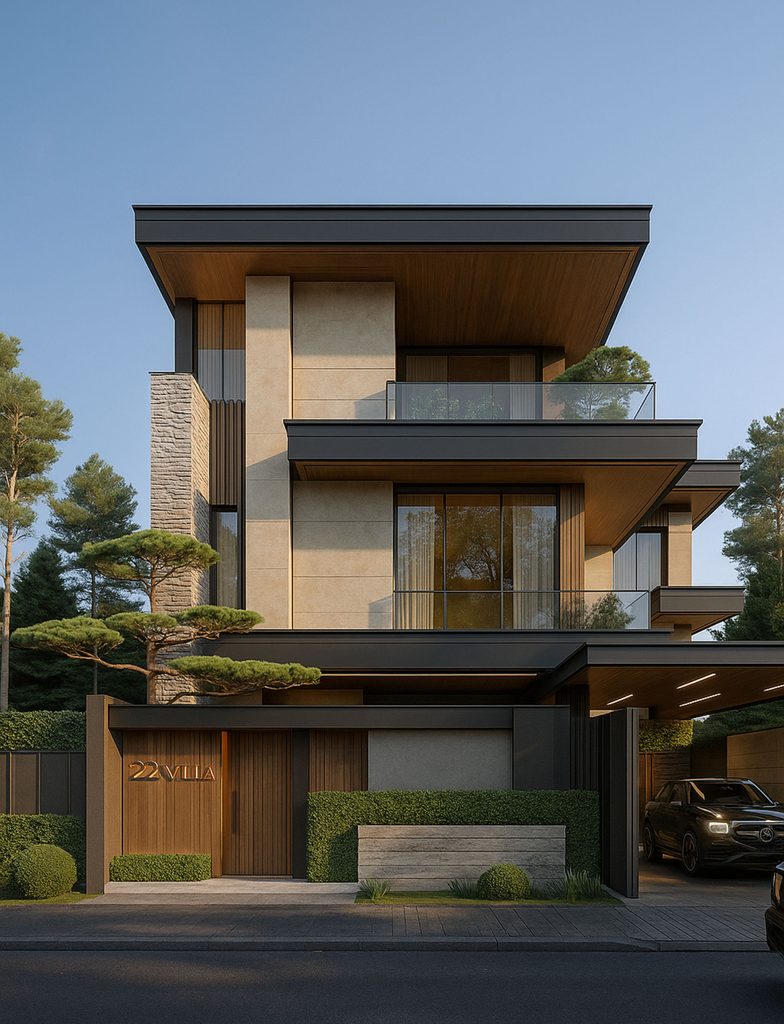
The savings continue after the purchase, because ongoing overhead also favors apartment owners in three ways. First, property taxes tend to be lower. Municipal rates and land taxes are typically apportioned across the whole building, so each owner’s individual liability is smaller than it would be on a standalone land title. Second, insurance costs are often better optimized. Policies written at the building level generally enjoy better economies of scale than individual homeowner policies, which lowers the annual cost for each owner. Third, major capital expenditures are shared. Exterior repairs, roof replacements, and structural maintenance are funded collectively through owners corporation fees, so the bill does not land on a personal savings account all at once.
This financial buffer lets savvy buyers enter high-demand urban locations much earlier in life. It speeds up their timeline for building wealth and diversifying their assets.
Location is the third factor, and it comes down to time, which is our most valuable commodity. One of the largest hidden costs of a suburban house is the daily commute. Urban sprawl keeps pushing standalone housing developments toward the outer fringes, and residents there spend hours each week stuck in transit congestion.
Modern apartment precincts take the opposite approach. They are strategically placed in the heart of urban centers, within walking distance of employment hubs, educational institutions, public transport networks, and lively dining districts. When train stations, tram lines, and major retail centers are only steps from the front door, the daily routine changes. Shorter travel times return hours to personal pursuits, family, and rest.
Leading urban developers favor transit-oriented development, known as TOD, which ensures that newly built residential towers connect seamlessly with municipal infrastructure. This hyper-accessibility lifts everyday living standards, and it also acts as a primary catalyst for long-term capital growth and strong rental yields. Properties within walking distance of essential services consistently show greater economic resilience than land holdings in the outer suburbs.
Amenities are another area where the old picture of the apartment no longer applies. An apartment used to be little more than a compact place to sleep. Today’s high-density precincts are master-planned communities designed to rival five-star hotels. Developers build comprehensive lifestyle infrastructure directly into the footprint of the building, creating shared facilities that no single-family homeowner could afford to maintain alone.
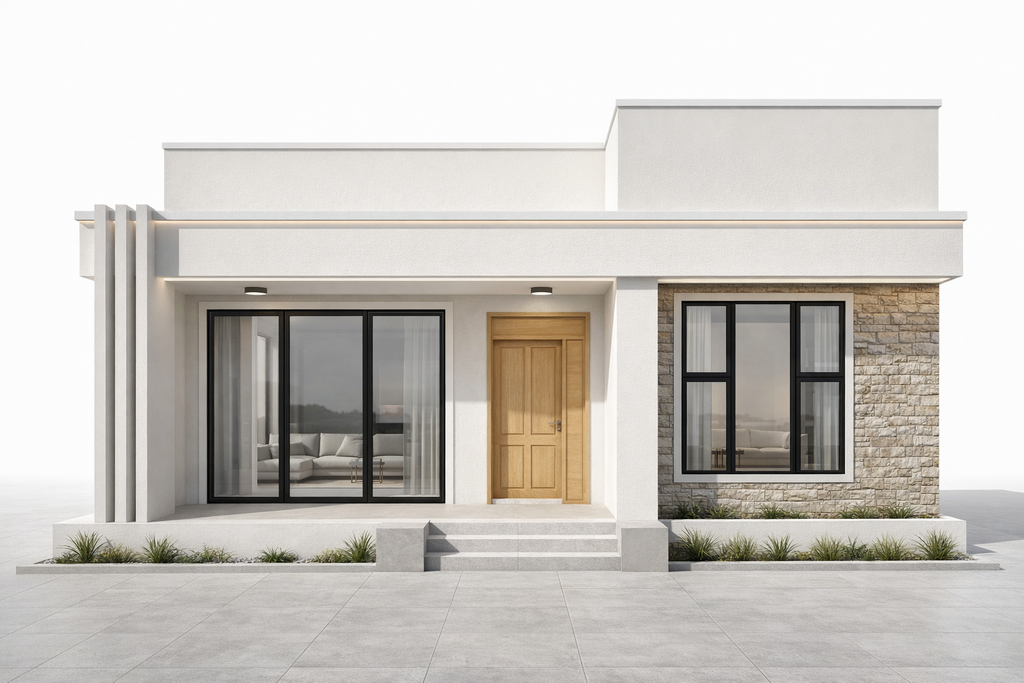
Modern towers commonly offer three kinds of facilities. For wellness and fitness, residents find fully equipped gymnasiums, heated indoor and outdoor swimming pools, saunas, yoga studios, and dedicated Pilates rooms. For entertainment and socializing, there are private dining rooms for hosting guests, cinema rooms, golf simulators, and residents’ lounges, along with lively ground-floor laneways lined with artisan cafes and restaurants. For work, business lounges and meeting rooms come equipped with high-speed internet. They support a remote-working lifestyle without requiring the resident to buy a larger floor plan.
These integrated amenities offer more than luxury. They support an active lifestyle in which physical health, social engagement, and relaxation all sit just outside the front door.
Community and security complete the picture. Human connection is a cornerstone of well-being, yet suburban life can feel isolating, with high fences and sprawling yards creating physical and social barriers. Apartment buildings foster community naturally through shared architectural spaces, welcoming lobbies, landscaped courtyards, and organized social events. A neighbor chatting over a morning espresso in the ground-floor plaza, or a building-wide gathering, creates organic opportunities for meaningful interaction. The demographic mix, which spans young professionals, families, and retirees, enriches the social fabric and promotes an inclusive, dynamic environment.
On security, apartments overwhelmingly outperform traditional houses. Modern residential towers rely on multi-layered protocols. These include around-the-clock electronic access control and secure basement parking, comprehensive closed-circuit television, or CCTV, surveillance of common zones, and onsite building managers and concierge services that control visitor entry. This institutional-grade protection offers ultimate peace of mind, which makes apartments an ideal fit for frequent travelers, busy executives, and families looking for a safe, secure sanctuary.
Choosing the right property asset means aligning financial goals with lifestyle aspirations. Houses and land have long dominated conversations about real estate, but the economic realities and lifestyle demands of today point firmly toward high-density urban living. Superior affordability, unmatched convenience, resort-grade amenities, effortless maintenance, and robust security together make buying an apartment a forward-thinking strategy for smart buyers. Those who want expert guidance in selecting a prime metropolitan property that maximizes capital growth potential can arrange a personalized consultation with an advisory team.
To sum up, the case for apartments rests on five pillars: lower entry costs, central locations, shared amenities, managed upkeep, and layered security. For buyers weighing a house against a unit, the question is no longer which option looks more traditional but which one fits the way they actually want to live.
If you found this breakdown useful, take a moment to subscribe to the channel and hit the like button. Turn on the notification bell as well, so the latest updates land in your feed the moment they are published.”