
Ten years of advising residential buyers have shown me a pattern.
Hundreds of families have come to me wrestling with the same choice, whether to keep leasing or to buy a home, and the question always blends cold arithmetic with a personal craving for stability. Through market cycles, inflation spikes, and shifting neighborhoods, the numbers and the psychology have pointed the same way. Buying a residential property, particularly in a high-demand urban corridor, changes the long-term trajectory of your wealth. Behind that conclusion sits one simple fact: rent paid to a landlord never returns to the tenant.
Anyone who has rented for two years or more knows the dread of the annual lease renewal notice, the envelope that usually announces a higher rent. Rental inflation is a lasting feature of the market, pushed along by demand and by cost-of-living adjustments. That recurring anxiety is what leads so many tenants to wonder whether it is time to buy.
Most people judge the market by monthly cash flow. Seasoned investors and financial advisors know that holding a short-term rent figure up against a mortgage payment obscures the larger picture. The points below show why an apartment purchase delivers security, wealth accumulation, and peace of mind that leasing cannot.
Start with equity. A rent payment disappears the moment it leaves your account. A mortgage payment behaves differently, because it converts your housing cost into an enforced savings plan. A portion of every installment reduces the principal and steadily enlarges your ownership stake. Picture a piggy bank that also pays dividends. Over a typical stretch of 15 to 30 years, real estate has historically outpaced inflation, so the asset appreciates by itself. When a lease expires, the renter has nothing to show for the money spent. The homeowner has assembled a solid financial cushion that can help pay for retirement, education, or future investments.
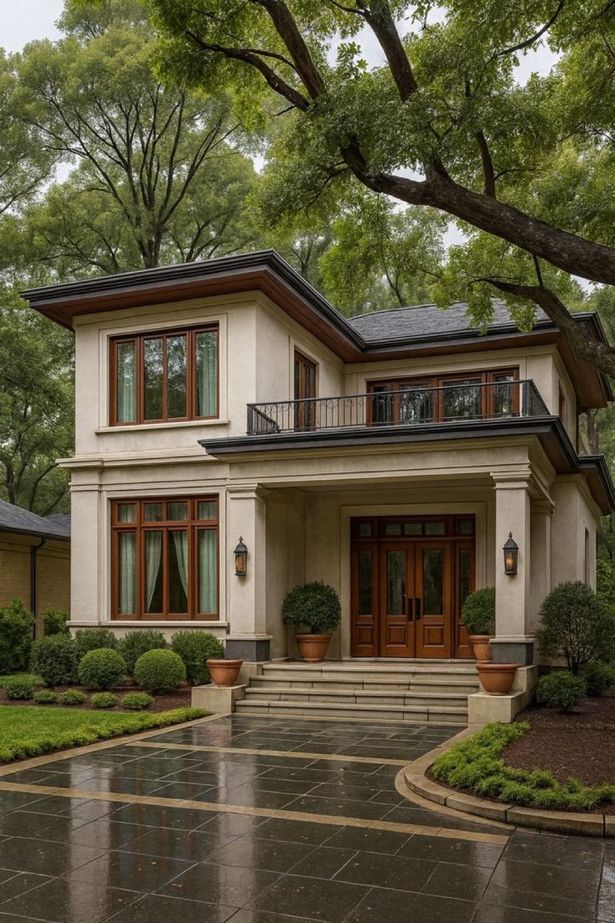
Predictability counts just as much. With a fixed-rate loan, your monthly principal and interest obligations stay locked. The wider rental market keeps struggling with escalating housing costs, yet your payment holds steady year after year. When the loan term ends, you move into a stage of rent-free living, and your income carries no housing overhead through your retirement years.
Inflation helps owners in a second way. It quietly erodes the purchasing power of cash sitting in traditional savings accounts, and real estate stands out as a premier hedge against that macroeconomic pressure. As construction materials and labor grow more expensive, and as land values climb, existing property values tend to rise alongside them. Renters feel the squeeze when landlords raise rates to match inflation. Owners watch their asset appreciate and capture market gains that protect their purchasing power.
Taxes tip the balance further. Governments around the world recognize the social Importance of stable housing, and that recognition shows up as significant tax advantages for buyers, advantages renters miss entirely. A homeowner can claim deductions on home loan interest and on principal repayments, which lowers overall taxable income. Various regional and national incentives for first-time homebuyers also make entry into the property market far more attainable. Combined, these financial cushions offset a meaningful share of the upfront costs of acquisition and push the ledger decisively toward buying.
An apartment can also earn money on your behalf. It is more than a place to sleep; it is a versatile financial asset. Buy a spacious multi-bedroom unit and you keep the flexibility to generate passive income. You could rent an extra bedroom to a working professional, or lease the entire property if your career takes you to another city. Either way, real estate produces dependable cash flow. In thriving, high-demand residential districts, where urban expansion drives continuous migration, rental demand stays strong. That built-in resilience means the property keeps working for you, generating monthly revenue long after the purchase date.
Discipline and credit round out the financial case. Taking out a home loan and servicing it is an exceptional anchor for personal financial discipline. Once you know that each monthly commitment directly builds your net worth, you are encouraged to budget more carefully and handle money more responsibly. A consistent record of on-time mortgage payments also works as a turbocharger for your credit score. A strong credit history opens the door to favorable borrowing terms for later ventures, whether you want to expand a real estate portfolio, fund a business, or secure low-interest loans down the road.
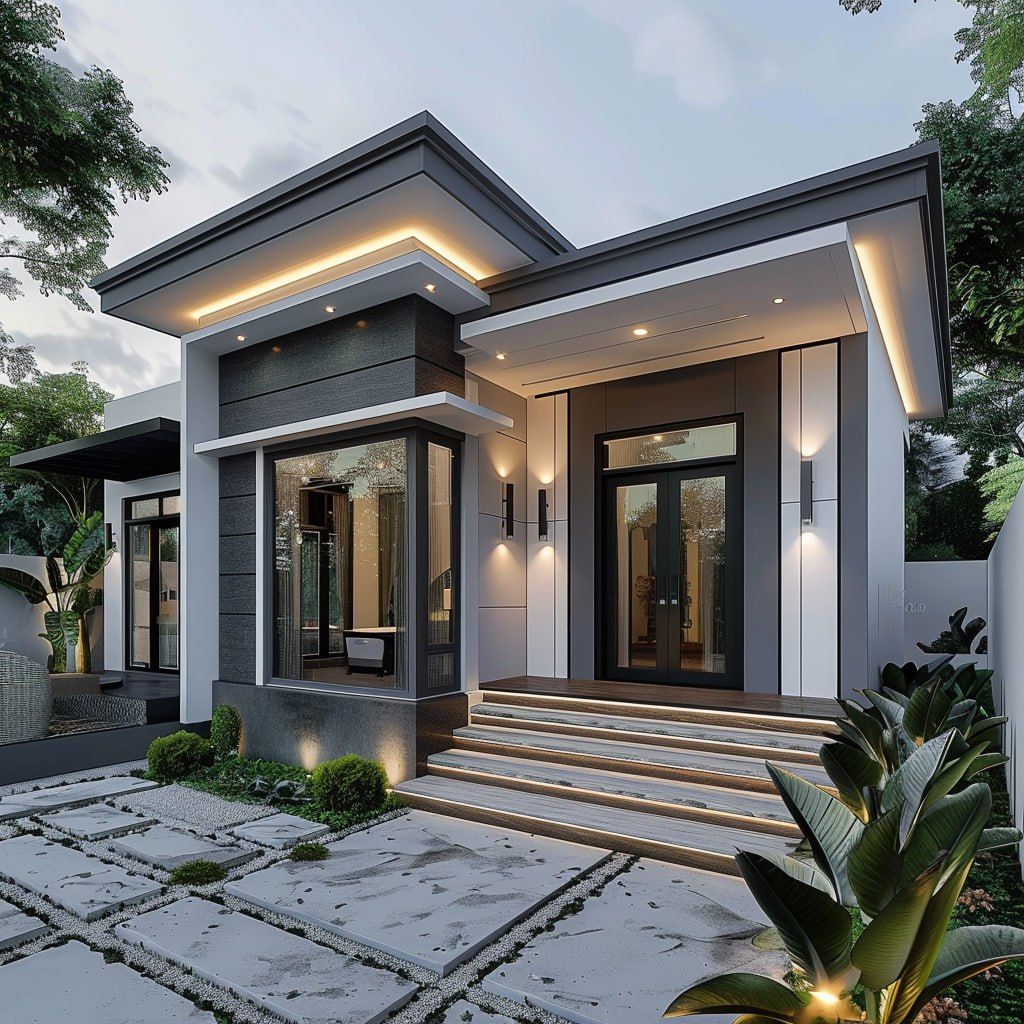
Then consider the space itself. Renting often feels like occupying someone else’s territory, because that is exactly what it is. Landlords routinely write restrictive clauses into lease agreements, banning everything from painting walls a bold color to mounting a television securely or upgrading kitchen fixtures. Ownership hands you complete creative freedom. If you want to remove a non-structural wall to open up the kitchen, you can. If you prefer custom hardwood flooring, smart home automation, or luxury bathroom tiling, the decision is entirely yours. Beyond appearance, owning fosters a genuine sense of belonging. Settling into a permanent community lets you form deep, lasting bonds with your neighbors, instead of packing up every couple of years because of a landlord’s whims.
Security and lifestyle form the last major advantage. Standalone rental houses often leave residents exposed to security concerns and to heavy ongoing maintenance responsibilities. Modern apartment complexes, particularly those developed by reputable builders, flip that picture. Gated communities with round-the-clock surveillance, professional property management, and controlled access points give families an extra layer of safety. Modern apartment living also provides easy access to amenities that would cost a fortune to maintain alone: fully equipped fitness centers, landscaped parks, swimming pools, and community clubhouses. These shared facilities lift your daily quality of life sharply while keeping your individual upkeep expenses surprisingly low.
Three questions come up again and again, so here are brief answers. Why is buying an apartment better than renting? Buying builds long-term equity, shields you from rising rental inflation, gives you complete creative freedom, and provides a tangible asset that appreciates over time. Renting means recurring expenses with no financial return. What is the biggest financial advantage of homeownership? The main benefits are forced savings and asset appreciation. Each mortgage payment adds to your ownership equity, so you accumulate net worth instead of funding a landlord’s investment portfolio. How do modern apartments Improve daily life? They offer high-end community amenities such as security systems, fitness centers, and green spaces, all professionally managed so residents face minimal maintenance hassles.
Moving from tenant to homeowner ranks among the most empowering milestones a person can reach. The argument comes down to this: rent payments build someone else’s wealth, while mortgage payments build your own through equity, tax benefits, protection from inflation, and a more secure, comfortable way of living. So what would the next ten years of your housing costs look like if every payment were building something that belongs to you?
If this breakdown helped you think through the decision, tap the subscribe button so more analysis like it lands in your feed. Give the video a like if you found it useful, and switch on the notification bell so the latest updates reach you the moment they go live.”