
For ten years I have worked as a real estate strategist and asset advisor, and in that time hundreds of would-be buyers have come to me stuck on the same dilemma: a detached house or an apartment?
The math behind that choice has shifted in today’s fast-moving housing market, and it is worth rethinking. My view is that the apartment is among the smartest financial moves a buyer can make in this dynamic landscape.
A growing number of buyers no longer see the apartment as the booby prize of the housing debate. Urbanization, rising construction costs, and changing lifestyle preferences have elevated it to a premier asset class. A purchase here secures more than shelter. It is a strategic investment in your financial future, whether you want to get onto the property ladder, build a steady stream of passive rental income, or make daily life simpler.
Start with what an apartment does for your calendar. Time is the scarcest resource for busy corporate executives, entrepreneurs, and retirees. A traditional house can turn into a second job, with weekends lost to mowing the lawn, fixing the roof, clearing gutters, and repainting the exterior. Apartment living takes most of that weight off your shoulders. Professional property management teams and homeowners associations, known as HOAs, take charge of structural repairs, landscaping, shared-hallway cleaning, and security upkeep. Freed from those tasks, residents can spend their energy on their careers, their families, and their personal passions.
Location amplifies that benefit, and location is still the golden rule of real estate. Developers purposely place multifamily complexes and high-rises in core urban centers, central business districts, and transit-oriented corridors. A resident of such a building is within walking distance, or a short commute, of upscale shopping centers, gourmet dining, public transportation hubs, top-tier schools, and advanced healthcare facilities. Less travel each day gives hours back every week. That positioning raises quality of life, and the convenience it creates keeps demand for the asset strong.
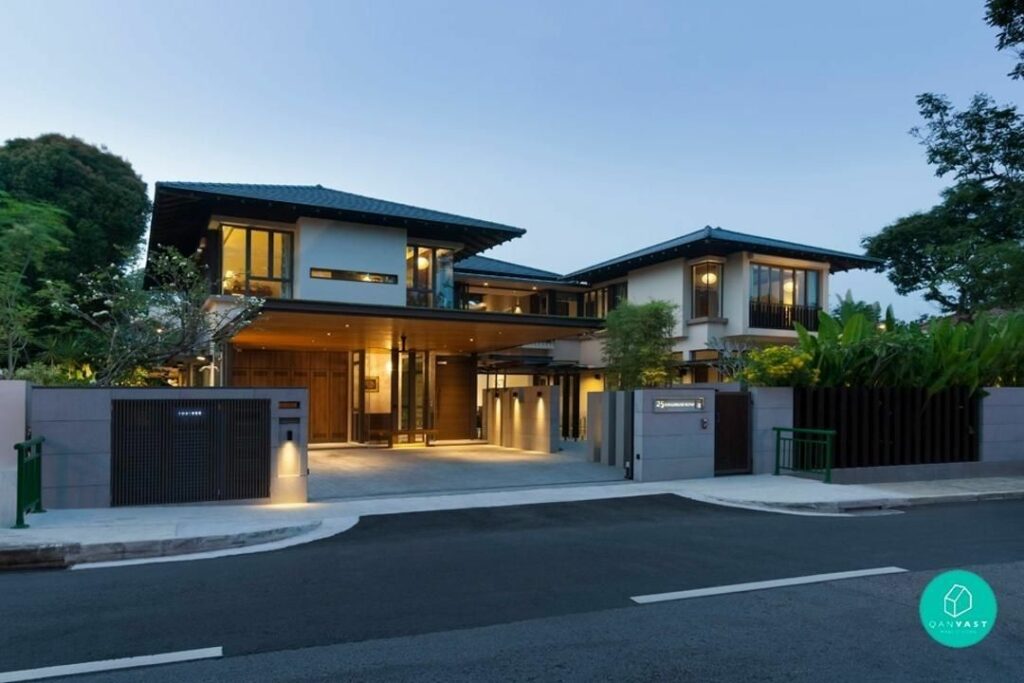
Security sits near the top of what modern residents look for, and current apartment complexes carry protective infrastructure that standalone houses rarely match. Controlled access gates, 24/7 lobby concierges, advanced CCTV surveillance, and keycard-only elevator systems together build a barrier against intruders. The upside goes beyond safety. Apartment communities also foster a lively social ecosystem. Neighbors live close together, and shared spaces such as rooftop gardens, co-working lounges, and courtyards encourage organic networking and social interaction. For someone new to a city or living alone, that built-in community is especially valuable, because it eases the isolation sometimes tied to suburban housing.
Modern life demands flexibility too, and apartments offer unmatched spatial versatility. An unattached professional climbing the corporate ladder, a newlywed couple planning ahead, and a downsizer simplifying life are all served equally well. Today’s complexes also function a lot like boutique hotels. Residents get exclusive access to high-end amenities that would be financially prohibitive inside a private home, including state-of-the-art fitness centers, infinity swimming pools, yoga studios, and private screening rooms. These perks lift the standard of everyday living without adding maintenance headaches or capital expenditures to your ledger.
Sustainability is another point in the apartment’s favor. Environmental awareness has moved beyond trend status and become a fundamental design requirement in modern architecture. Newer apartment buildings are fitted with cutting-edge green technologies that shrink environmental Impact and lower utility bills. Solar panels, high-performance double-glazed windows, smart thermostats, energy-efficient appliances, and rainwater harvesting systems are all part of the picture. For that reason, apartments naturally leave a smaller carbon footprint than sprawling detached houses. Buying one means joining sustainable urban living while paying less for energy every month.
Now to the financial side, beginning with the cost of getting in. For most people approaching the property market, access to capital is the biggest hurdle. Single-family homes frequently bring prohibitive price tags, very large down payments, and steep ancillary costs that can strain even a healthy balance sheet. Apartments generally sell for a significantly lower entry price than standalone houses. That puts them within reach of first-time homebuyers, young professionals, and savvy investors who want to diversify their portfolios without overleveraging. A smaller initial outlay lets you enter the market sooner and start building equity earlier. It also spares you the heavy burden of a massive jumbo mortgage.
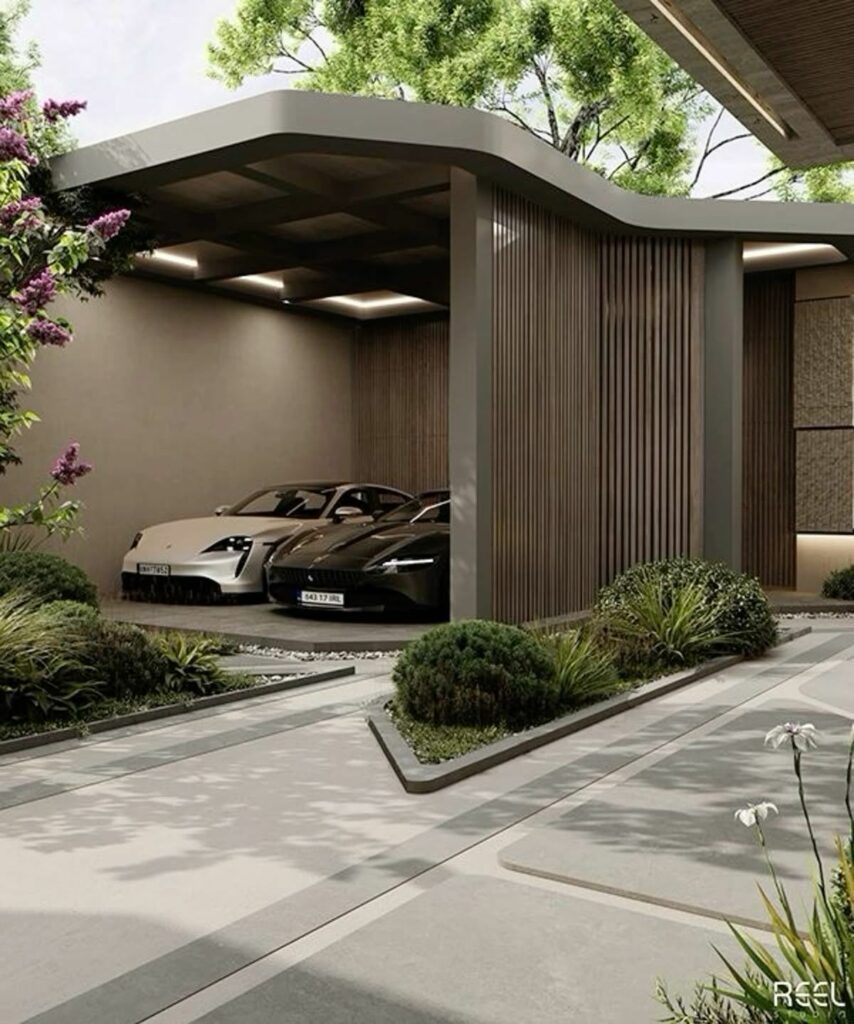
Then there is long-term performance. For centuries, real estate has been a dependable vehicle for building wealth, and apartments fit that pattern. Urban land is finite. As cities become denser, centrally located residential units tend to appreciate steadily and organically. Demand for urban housing consistently outpaces supply, which is why well-managed apartments in growing metropolitan hubs hold their market value exceptionally well during economic downturns. Whether the day comes to sell or to borrow against your equity, a well-chosen apartment can deliver a substantial return on investment. That makes it a cornerstone of a sound financial portfolio.
For investors chasing reliable passive income, the apartment is a textbook strategy. Rental demand in urban centers stays perpetually high, driven by young professionals, students, and transient workers who prize mobility over long-term residential commitments. An apartment with an appropriate price in a desirable neighborhood can command consistent monthly rents. Those rents can cover the mortgage payments and still leave positive cash flow. Professional property management companies can take over tenant screening, rent collection, and maintenance calls, so the investment can function as a truly passive engine for long-term wealth accumulation.
Lay these points next to each other, and the conclusion is plain: navigating today’s real estate market calls for financial pragmatism combined with forward-looking strategy. An apartment blends affordability, prime positioning, low-maintenance ease, and robust long-term financial growth in one balanced package. Whether you are after a personal sanctuary to call home or a high-yielding asset to expand your investment portfolio, it provides an ideal foundation for modern life. If you are ready to take the next step toward financial independence, you can explore our curated listings or schedule a consultation with our expert advisory team to find the apartment that best matches your goals.
Taken together, the case rests on one purchase performing two roles at once, serving as a home and as a way to build wealth. Lower entry cost, central location, minimal upkeep, strong security, steady appreciation, rental income, and greener living all push in the same direction. Whether that balance suits your own plans is a question worth weighing carefully.
If this breakdown gave you something to think about, hit the subscribe button so the next video lands in your feed as soon as it drops. Give it a like if you found it worthwhile, and turn on the notification bell so you never miss the latest updates.”