
Think about what a first year in a new home looks like when nothing breaks.
No burst pipe on a free Saturday, no surprise renovation bill. After ten years of walking clients through the purchase process, I have seen how much a brand-new property can shape those early years of ownership.
Most new owners are already stretched. They carry demanding careers, personal wellness goals, and busy social lives, and few want to spend a weekend on repairs. A first home is one of the most exciting and financially significant milestones of adult life, which means the type of property deserves a deliberate strategy. For many aspiring owners, new construction offers a workable balance of modern convenience, long-term financial security, and peace of mind. Here is why newly built homes are such a strong option for today’s buyers.
Start with the financial side, because that is where first-time buyers often feel the most pressure. Landing a first mortgage can be intimidating when economic indicators are shifting, interest rates are fluctuating, and property valuations are volatile. A newly built home brings several advantages that help steady the process.
The first is financing flexibility. Many lenders and regulatory frameworks extend favorable mortgage terms on new builds. In some cases, those terms sidestep the stricter Loan-to-Value Ratio, or LVR, caps and the large deposit requirements that heavily limit purchases of older homes. A smaller up-front capital requirement brings homeownership closer for diligent savers.
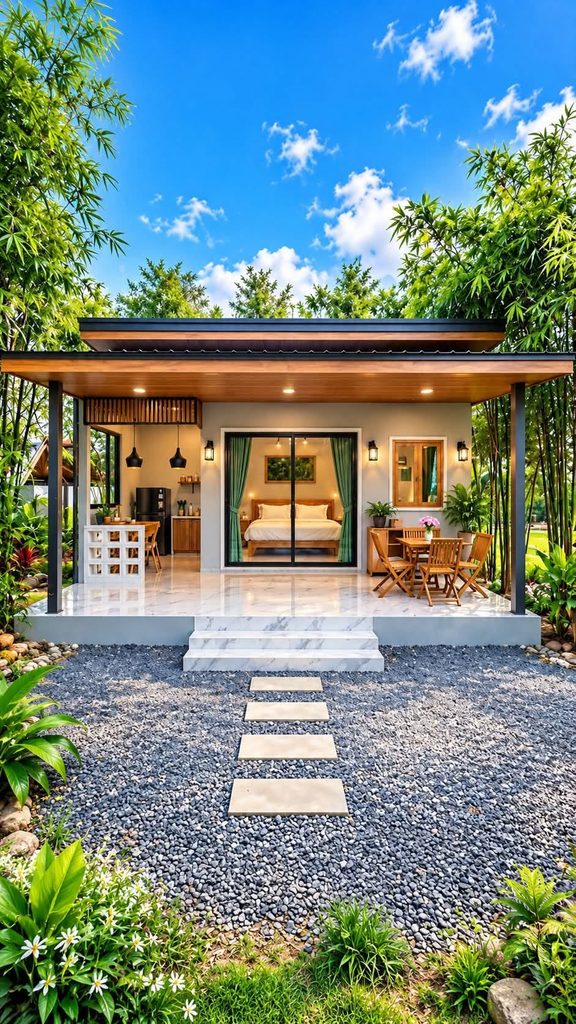
The second is value over time. New construction developments frequently deliver superior long-term capital appreciation. Master-planned communities tend to emerge in burgeoning suburban corridors or revitalization zones that already have modern infrastructure, parks, and retail amenities. As those neighborhoods mature and expand, property values there tend to climb quickly, which speeds up an owner’s wealth-building potential.
The third is the monthly bill. Current building standards call for advanced thermal insulation, high-performance double-glazed windows, and Energy Star-certified appliances. These green building practices sharply cut monthly utility costs. Lower bills ease the everyday cost of living and make household budgeting far more predictable.
Now consider quality, which savvy buyers rank first. They want a home that is safe, structurally sound, and engineered to withstand environmental extremes. Modern construction sets a benchmark that older homes on the secondary market struggle to meet. Strict regional building codes govern structural integrity, fire safety suppression systems, indoor air quality, and seismic resistance. Because of those codes, a newly built home is rigorously inspected throughout its entire development lifecycle. Municipal building inspectors evaluate the framing, the electrical layouts, and the plumbing rough-ins. That level of scrutiny strips out the hidden structural risks so often tied to vintage properties. It also spares the buyer the costly retrofits that older homes frequently need to satisfy contemporary safety and environmental codes. On top of that, modern architectural designs optimize natural light, indoor airflow, and spatial functionality, producing a healthier living environment suited to how households live today.
Quality carries over into daily routine. Modern lifestyles demand flexibility, efficiency, and comfort, and new homes are designed around those demands. Builders now use durable materials and innovative construction techniques that significantly reduce ongoing upkeep. Older properties often hold hidden maintenance liabilities, such as aging roofs, outdated electrical wiring, and worn plumbing systems. A new residence carries none of that history and is in pristine condition from day one. High-end finishes, stain-resistant flooring, and resilient exterior cladding are selected specifically to handle everyday wear and tear. Owners spend fewer hours cleaning and repairing, and more weekends stay open for whatever they would rather be doing.

Protection against surprises is built in, too. New construction typically comes with strong builder warranties that guard the investment against unforeseen defects. A comprehensive one-year workmanship warranty usually covers minor Imperfections that show up as the house settles, while an extended structural warranty can run for up to a decade. Together, these two layers shield buyers from unexpected out-of-pocket expenses and offer real reassurance during the move into homeownership.
The purchase process itself is more transparent with a new property. Established real estate developers maintain rigorous quality control protocols, and they lean on long-standing partnerships with elite subcontractors and material suppliers so the work is executed flawlessly. Reputable home builders supply clear construction timelines and transparent contract pricing. That predictability lets buyers line up mortgage underwriting, moving logistics, and lease terminations with confidence. Many contemporary developers go further, offering extensive post-settlement customer service programs. When a minor adjustment is needed after the move, dedicated property management teams resolve it promptly.
Entering the property market does not have to be overwhelming. A newly constructed home pairs low-maintenance living with financial advantages, energy efficiency, and uncompromised build quality, all designed for modern lifestyles. For buyers who are ready to secure their financial future and take the definitive step toward homeownership, the next move is to contact an expert real estate advisory team to explore premier new construction opportunities in the neighborhood of their choice.
Four points carry the whole argument: lower upkeep, stronger finances, better building standards, and a purchase process that is easier to see through. A first-time buyer weighing which kind of home fits the life they want can hold each listing up against those four measures.
If this breakdown was helpful, subscribe to the channel so the next video finds its way to you. Give the video a like to help other viewers discover it, and turn on the notification bell so the latest updates reach you the moment they go live.”