
A home purchase ranks among the biggest financial commitments most people ever make, and the typical buyer makes it only once or twice.
At that scale, every dollar deserves scrutiny. The market presents a crowded field of choices: sprawling suburban villas, duplexes, high-rise condominiums, and gated communities. Traditionalists may keep pushing for the detached single-family house, but the current landscape points to the apartment as the smartest choice, both financially and for lifestyle. The decision still calls for a measured approach. Before signing anything, buyers should talk with mortgage advisors, study real estate market trends, and weigh the benefits against the long-term consequences.
Start with price. Apartments consistently cost less than detached houses and villas, and even high-rise luxury units often sell for a fraction of what comparable suburban properties command. The buyer still gets full ownership of a private retreat, only at a markedly lower cost. That smaller upfront outlay leaves more room in a portfolio for diversified investments, stock market assets, or emergency savings.
Amenities stretch the value further. Resort-style facilities would demand a prohibitive personal fortune if bought individually, yet modern residential complexes arrive fully loaded with them. They include state-of-the-art fitness centers and gymnasiums, temperature-controlled swimming pools, indoor gaming lounges and clubhouses, dedicated children’s play parks, multi-sport courts and wellness zones, and landscaped barbeque pits and community rooftop terraces. Building, maintaining, and insuring each one on a private lot would drain a savings account. When a community of homeowners shares the infrastructure bill, apartment living brings luxury, convenience, and high-end recreation within reach at a remarkably accessible price.
Then there is the question of what happens when something breaks. Imagine an owner of a traditional detached house facing a leaking roof, failing plumbing, or a malfunctioning HVAC system. Someone must locate reliable contractors, negotiate quotes, and oversee repairs from start to finish, and that person is the owner. Property maintenance is arguably the most notorious headache of homeownership, and it is one of the strongest reasons that buying an apartment makes sense for modern buyers in 2026. In an apartment, the dedicated building management or the resident welfare committee carries those burdens. Common areas, manicured lawns, pristine gardens, elevators, and exterior facades receive professional upkeep year-round, and residents contribute no manual labor. Owners enjoy the lush outdoor spaces while a specialized crew works behind the scenes.
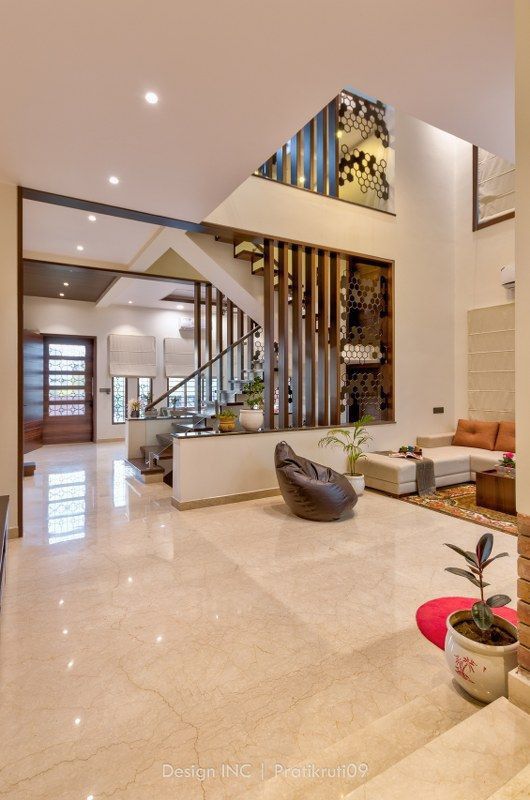
Safety is another area where condominiums pull well ahead of standalone houses. In today’s fast-paced world, peace of mind about domestic security is non-negotiable, and apartment complexes answer that need with multi-tiered, around-the-clock security systems. These include biometric access gates, high-definition CCTV monitoring, and professional security personnel patrolling the premises 24/7, so the household stays completely protected. The arrangement is especially valuable for frequent travelers and working professionals whose careers take them away from home. Their property sits inside a secure perimeter, which reduces the vulnerability that comes with isolated suburban homes.
Daily infrastructure comes built into the package as well. Modern buildings provide designated secure parking spaces, reliable diesel power backups, redundant water supply reserves, reticulated piped gas, and comprehensive fire safety mechanisms, all designed to eliminate everyday friction. Utility management is streamlined, too. Residents skip the endless queues at municipal offices and the hassle of fragmented utility billing. Digital resident portals and property management apps let them settle utility charges instantly with a few taps on a smartphone.
Location carries equal weight. Because of land scarcity and high suburban land values, independent homes and luxury villas are increasingly pushed toward distant city fringes. Apartments, in contrast, sit strategically across prime urban cores and transit-oriented corridors. A buyer can choose a home just minutes from a corporate office, a major financial district, top-tier schools, healthcare facilities, and cultural hubs. Shorter daily commutes translate directly into reclaimed personal hours, lower transportation costs, and a vastly superior quality of life.
Size and standards are flexible. Apartments come in a vast array of layouts and square footages, so a buyer can secure a floor plan that suits both the current family situation and where that family is headed. Beyond physical dimensions, condominium standards vary widely with architectural design, interior finishes, premium fittings, and lifestyle amenities.
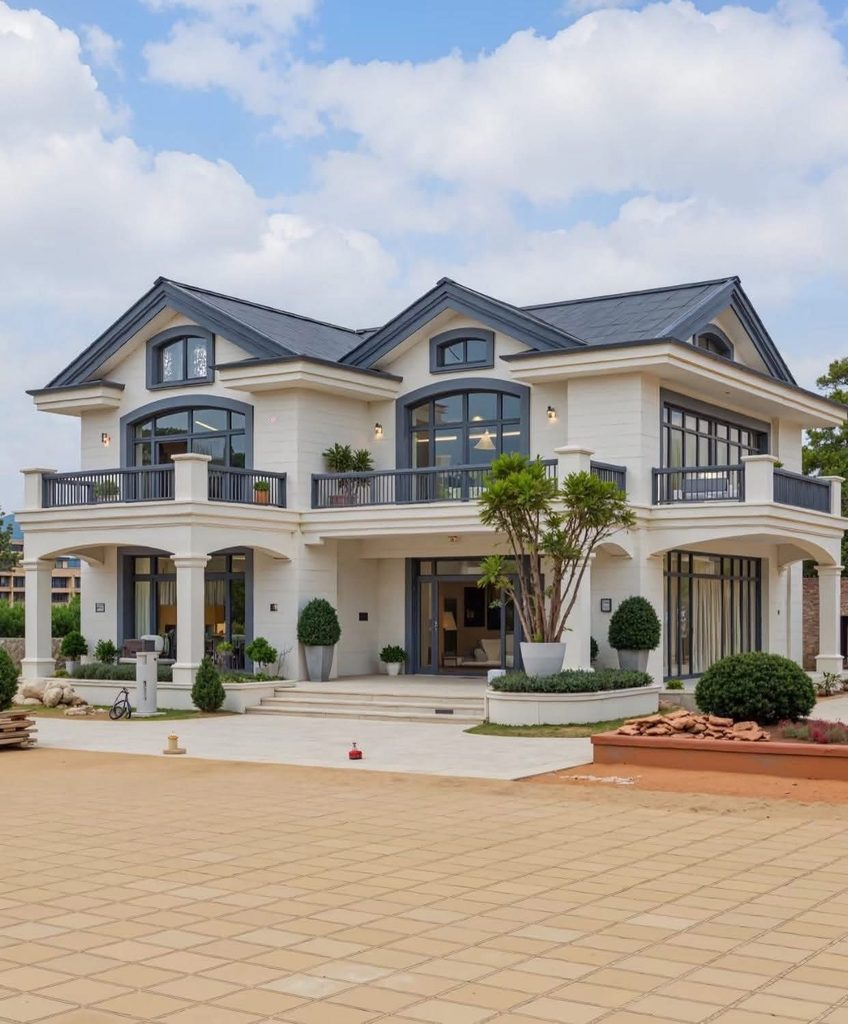
Growing families and young professionals will find this environment hard to match. Children thrive in a built-in community where peers of similar age live just down the hall, which encourages active socialization and lifelong friendships. Parents benefit as well, since they often build robust social circles and professional networking opportunities with fellow residents inside the building.
Weigh every operational, financial, and lifestyle variable, and buying an apartment emerges as the winning strategy for modern property acquisition. Low maintenance, strong security, prime locations, shared luxury amenities, and a lower price tag all point the same way. For buyers ready to enter today’s market, the apartment offers a secure property and a higher standard of living.
That leaves one question to carry into any purchase decision: does another type of housing deliver this many advantages for the money?
If this breakdown helped you think through the decision, tap subscribe so the next one lands in your feed. A like on the video helps other viewers find it, and switching on the notification bell means you will hear about the latest updates the moment they go live.”