
Few purchases carry as much weight as a home.
For most people it is the biggest financial decision of their lives, and many make it just once or twice. With that much hard-earned money on the line, every step deserves close attention. The market doesn’t make the task any easier. Sprawling villas, standalone townhouses, luxury high-rise flats, and gated condominium communities all compete for the same buyers, and the range of choices can leave anyone unsure where to start.
An advisor who has spent ten years working with real estate investors and first-time buyers has watched market trends swing sharply in that time. One pattern, however, has not changed. Weigh convenience, long-term financial planning, and community infrastructure together, and condominiums and multi-family residences keep coming out on top. Six areas explain why savvy buyers are choosing vertical living over traditional independent houses.
Start with location, because it shapes both daily convenience and long-term property appreciation. Independent homes and sprawling villas need a great deal of land. With land prices soaring in urban cores, those properties are often pushed out to suburban peripheries or city fringes. Apartments are strategically woven into prime city centers and well-connected transit hubs instead. That proximity lets buyers live near their workplace, top-tier schools, healthcare facilities, and retail centers. Shorter daily commutes give hours back to the week and Improve overall work-life balance.

Cost is the next consideration. On purely economic grounds, an apartment is the easier purchase to reach. Even a high-end luxury unit, with premium architectural finishes and smart-home automation, typically costs far less upfront than an independent villa. The lower entry price eases the mortgage burden and frees money for other investments or emergency savings. A smaller footprint also tends to mean lower property taxes and simpler utility billing. Residents also share backup systems such as central generators, alternative water supply reserves, and centralized fire-safety mechanisms.
Then there is upkeep, which can quietly eat up free weekends. When a pipe bursts or a roof leaks in an independent home, the owner alone has to find a trustworthy contractor, negotiate the price, and supervise the work. That same person also carries the physical and financial responsibility for a private lawn, exterior painting, and common lighting. In an apartment, professional facility management teams or resident welfare associations take over that load. Building maintenance, cleaning of common areas, garbage disposal, and well-kept landscaping all run quietly in the background. If something fails in the shared infrastructure or inside a unit, a single call to the caretaker committee sets a quick repair in motion, and the weekend stays free.
Safety matters to every modern family, and especially to professionals who travel often for business or put in long hours at the office. Owners of independent houses usually have to design, install, and monitor an expensive security system on their own. Multi-family residential complexes come with strong, multi-tiered security built in. These typically include gatehouses staffed around the clock, CCTV surveillance across common areas, video intercoms, and restricted visitor access. Knowing that family and property are protected brings invaluable peace of mind, and residents can travel or stay late at work without constant worry.
Amenities are another draw. Apartment living gives Immediate access to upscale lifestyle features that a standalone house could offer only at prohibitive capital expense. A private swimming pool, a fully equipped gym, landscaped children’s play parks, indoor gaming zones, badminton courts, or a private mini-theater each demand deep pockets and a continuing maintenance budget. In a managed apartment community, residents share these luxuries, which makes them exceptionally cost-effective. A person can fit in a morning workout, let the kids burn off energy at the playground, or host a weekend gathering, and the facilities enrich daily life without draining savings.
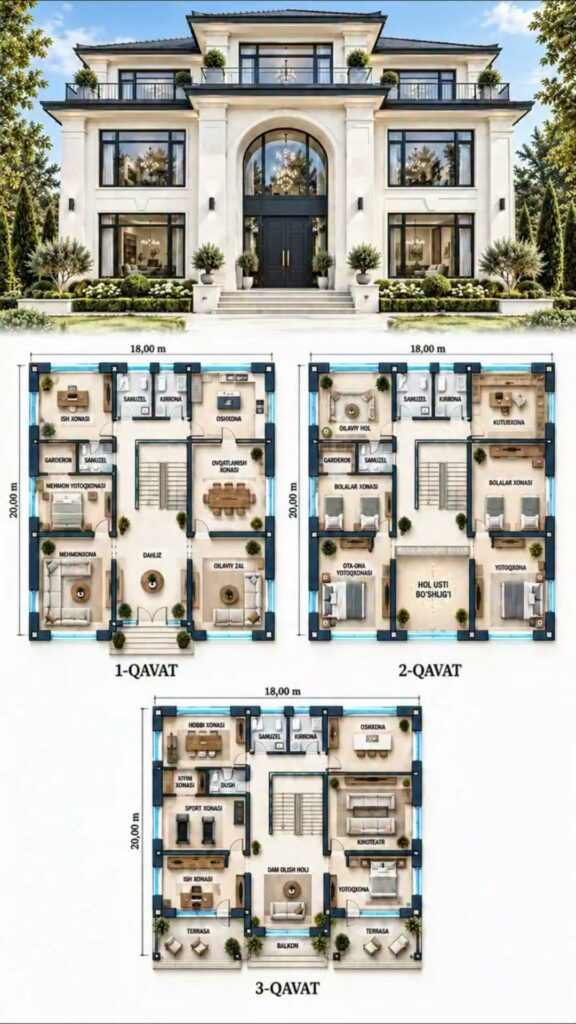
The last area is community. Human beings are inherently social creatures, yet modern neighborhoods can feel isolating. Traditional independent homes keep families walled off from their neighbors, which can limit social interaction, particularly for young children. Apartments foster a lively, built-in community atmosphere. Children find playmates of similar ages down the hallway or in the central courtyard, which encourages active outdoor play and lasting friendships. For parents and other adults, community events, shared recreational spaces, and daily interactions build a supportive neighborhood network that standalone housing struggles to replicate.
In the end, the decision comes down to balancing personal lifestyle goals, family requirements, and financial capacity. The traditional appeal of independent houses still carries weight for certain buyers. Even so, the combination of superior safety, shared luxury amenities, stress-free maintenance, and prime urban locations makes buying an apartment a remarkably smart choice for modern living. Anyone ready to explore available properties, evaluate prime neighborhoods, or discuss financing strategies tailored to their goals can contact the real estate advisory team and schedule a personalized consultation.
To sum up, lower upfront costs, shared amenities, professional upkeep, round-the-clock security, central locations, and a ready-made community all point in the same direction. Still, the right home depends on the lifestyle, family needs, and finances of the person buying it. Which of those six factors would weigh most heavily in your own decision?
If this breakdown was useful, take a second to subscribe to the channel and tap the like button so more videos like this one find their way to you. Switch on the notification bell too, and the latest news will reach you the moment it goes live.”