
Rent and savings draw from the same paycheck, and that overlap is where many first-time buyers get stuck.
Money paid to a landlord each month never reaches a deposit account. Money set aside for a deposit leaves less to cover the rent. Each goal starves the other, so the finish line for saving keeps sliding out of reach. Experienced buyers have turned to off-the-plan purchasing because it loosens that bind.
The size of the hurdle explains why. Traditional lenders typically ask for a 20% deposit, a sum that can take years of disciplined saving to assemble. For eligible new builds and off-the-plan purchases, targeted assistance programs can lower the requirement to 5%. That difference is the reason a growing number of first-time buyers are now considering homes that do not yet exist.
This account draws on ten years of work alongside property buyers, developers, and real estate financiers, a stretch in which the market has moved through several cycles. Current conditions include economic volatility, rising interest rates, and affordability barriers with no sign of fading. For a newcomer, committing to a home that has not been built can feel intimidating. Still, off-the-plan ownership and investing carry genuine advantages. Buyers who understand today’s market dynamics, financial products, and government schemes can turn a difficult climate into an opening.
Consider first how most people picture buying a home. A buyer walks through an existing house, opens the kitchen cabinets, and Imagines their own furniture in the living room. Established homes in prime locations tend to be expensive, since demand for them is Immediate. Many also need costly maintenance or renovation soon after the sale closes.
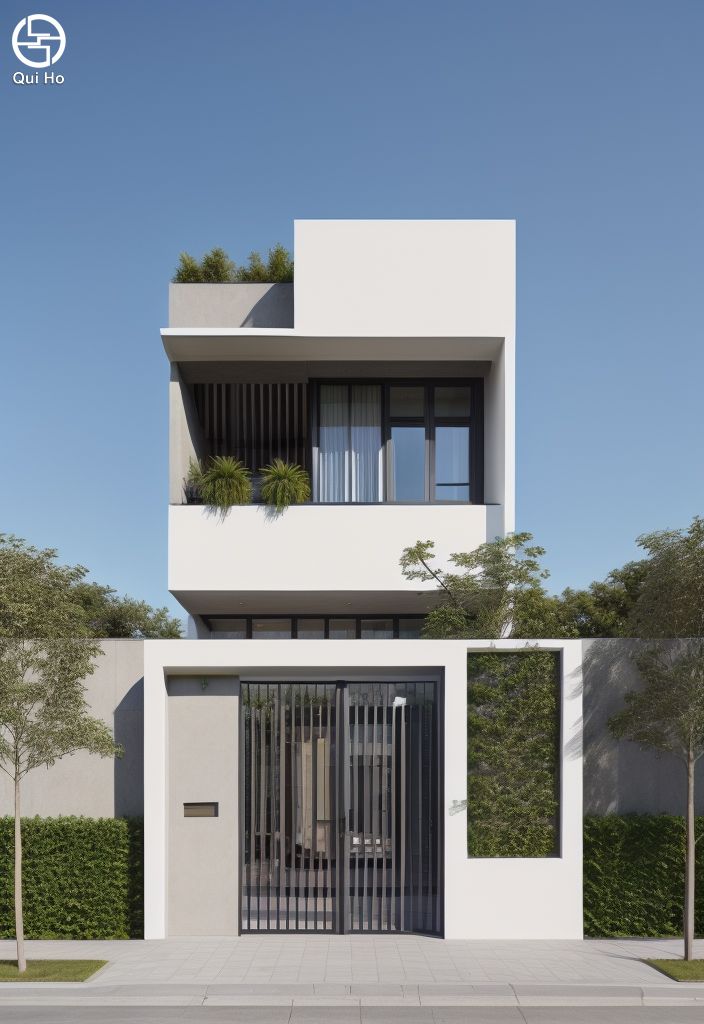
An off-the-plan purchase follows a different path. The buyer signs a contract for a residential property before construction begins or while it is still under way. This gives today’s buyers a structured, forward-looking entry point into the market. Rather than competing in bidding wars over existing dwellings, they secure a contract now and handle the financial settlement later.
The payment schedule is what speaks to affordability, one of the most pressing obstacles buyers face. Many households stay stuck because they pay high rent while trying to build a large deposit. In an off-the-plan deal, the buyer typically puts down a modest initial deposit, often held in a stakeholder trust account. The remaining balance comes due only at practical completion. The gap between those two payments gives buyers months, and sometimes years, to keep adding to their savings. Day-to-day financial pressure eases, and homeownership becomes a more reachable goal. Developers also tend to price early-release units competitively to build momentum for a project, so an attentive buyer may land brand-new real estate at a price below later market valuations.
Financial planning matters at every stage, and buyers do not have to manage it alone. Government support continues to play a central role in helping people become homeowners. Qualified applicants can turn to specialized financing programs such as the First Home Loan scheme, which can sharply shorten the road to ownership. A lower barrier lets buyers enter the market far sooner. Reaching the property ladder years earlier allows them to build equity and benefit from long-term capital appreciation. The alternative is paying ever-higher rent that builds wealth for someone else.
Resilience is another strong argument for off-the-plan homes. Property markets move through cycles of growth, stabilization, and correction, and these purchases offer protection in each phase. The price is fixed at the valuation in place when the contract is signed, yet settlement does not happen until construction is finished. That interval works as a financial buffer. If values climb during the build, the buyer’s equity grows before they ever move in. If the market is sluggish or flat, buying new still locks in a fixed price today, which shields the buyer from the inflationary construction costs that typically push up the price of future builds. Over a medium-to-long horizon, real estate consistently rewards patience. Brand-new assets have historically delivered stronger capital growth, along with higher rental yields if the owner later turns the home into an investment.

Buyer expectations have also shifted considerably. People now place a premium on energy efficiency, sustainable building materials, smart home integration, and functional layouts that support remote work and flexible lifestyles. Established properties often need expensive retrofits to meet those standards. Off-the-plan homes are designed with future trends in mind from day one. Reputable developers build advanced insulation, double glazing, energy-efficient heat pumps, and sustainable materials into their blueprints. A buyer who chooses a new build is effectively future-proofing the asset, and those features keep the home desirable, energy-efficient, and competitive in both the rental and resale markets for decades.
Buying real estate is more than a transaction. It is a cornerstone of long-term personal wealth and housing security. Market swings and gloomy economic headlines can breed hesitation, but careful planning is what separates successful owners from perpetual renters. Off-the-plan purchases combine accessibility, modern living, financial flexibility, and growth potential. With lower initial deposits, government support frameworks, and future-proofed design, aspiring homeowners can get around the market’s traditional roadblocks.
For anyone ready to take charge of their housing future and see how off-the-plan opportunities fit their own finances, the property advisory team behind this content offers personalized strategy consultations. Buyers can reach out to schedule one today.
In short, the off-the-plan route rests on four elements: a smaller upfront deposit, a delayed settlement, government backing, and modern, efficient design. For buyers who have been shut out by the traditional 20% deposit, those elements change the arithmetic of getting started.
If this breakdown was useful, hit the subscribe button so the next one finds you right away. A like on the video helps more than you might think, and turning on the notification bell means the latest news and analysis will reach you the moment it goes live.”