
Two numbers explain much of what is happening in the property market today.
Vacancy rates in capital cities sit close to historic lows. At the same time, traditional houses carry a price premium larger than any recorded before. Read together, those figures have changed how many buyers think about apartments. The unit once treated as a fallback has become a lead strategy among people who study the market closely.
The comparison behind that change is straightforward. A traditional house brings rising costs, heavy maintenance, and a remote address. Modern multi-residential living offers lower prices, strong links to the city, resort-style amenities, and tighter security. In recent years the value gap between standalone houses and multi-residential units has widened considerably, and the argument for the apartment is now hard to dispute.
This analysis draws on ten years of hands-on work in urban development and residential real estate investment. Over that decade, buyer preferences shifted dramatically. First-time buyers and seasoned portfolio managers alike are bypassing conventional suburban blocks and choosing dense, amenity-rich urban precincts. Whether the aim is a better way of living or a high-yielding asset, the structural strengths of apartment living matter. Six stand out: price, location, amenities, upkeep, community, and security.
Price comes first, because cost is the most Immediate hurdle in any property market. Across recent market cycles, standalone houses in major metropolitan hubs have climbed at a staggering pace, shutting many would-be buyers out of traditional suburbs. Units and high-rise apartments have followed a steadier, more accessible path. Apartment buyers benefit from that gap in three ways.
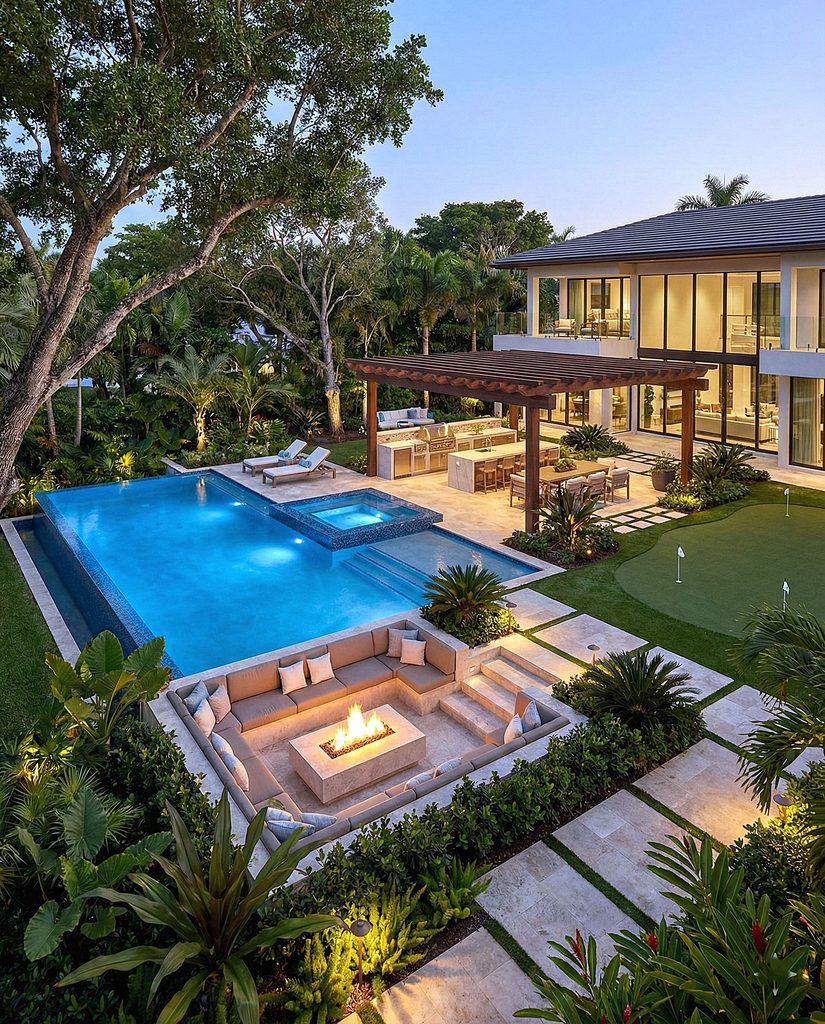
The first is a smaller cost of entry. A lower purchase price and a smaller deposit let buyers secure a place in a prime location much earlier in life. The second is lighter running costs. Property taxes, building insurance, and routine maintenance are either split among owners or smaller than the bill for looking after a sprawling house on its own parcel of land. The third is stronger returns. Because getting in costs less, rental yields on inner-city apartments frequently exceed those on detached suburban houses, which makes apartments especially attractive to investors who put cash flow first. For a careful buyer, targeting affordable investment properties in established urban corridors is a dependable way to build wealth without stretching personal finances.
Location, long regarded as the golden rule of property investment, points the same direction. Houses keep getting pushed toward the outer ring of suburban sprawl, which means exhausting daily commutes and a long trip to cultural hubs. Apartments, by contrast, are deliberately built in the heart of major cities. Step out the front door of a unit in a lively metropolitan core and public transport networks, major employment centers, world-class dining, and retail precincts are all within reach. That proximity saves hours every week, and those hours can go back to a career, a family, or personal well-being. For professionals and modern families alike, closeness to transport hubs and lifestyle amenities sustains lasting demand. Well-located units therefore stay desirable even when economic cycles turn.
The apartment itself has been reinvented as well. It is no longer seen as a compact box for sleeping. Leading developments now compete with five-star hotels, offering a wide array of shared facilities designed to Improve daily life. For health and wellness, residents can use fully equipped gymnasiums, heated indoor and outdoor swimming pools, dedicated yoga and Pilates studios, and relaxing saunas. For entertainment and leisure, buildings provide private dining rooms, cinema spaces, golf simulators, and communal lounges for hosting guests. Green space is part of the design too, through carefully landscaped rooftop gardens, open-air courtyards, and lively ground-floor laneways lined with artisan cafes and boutiques. These features do more than add luxury. Together they form a compact, self-contained ecosystem in which residents can exercise, relax, socialize, and dine without ever leaving the safety of their building.
Maintenance may be the most underappreciated benefit. Owning a traditional house often means endless hours of mowing the lawn, clearing gutters, repairing the roof, and repainting the exterior. In an apartment community, a dedicated building management team or owners corporation takes care of routine upkeep, landscaping, and structural repairs in advance. Residents do not shoulder the full financial and physical burden of a surprise repair alone. Instead, they pay into a managed sinking fund. That shared pool keeps the building in pristine condition year-round through scheduled preventive maintenance, which protects the asset’s long-term value and gives weekends back to the owner.
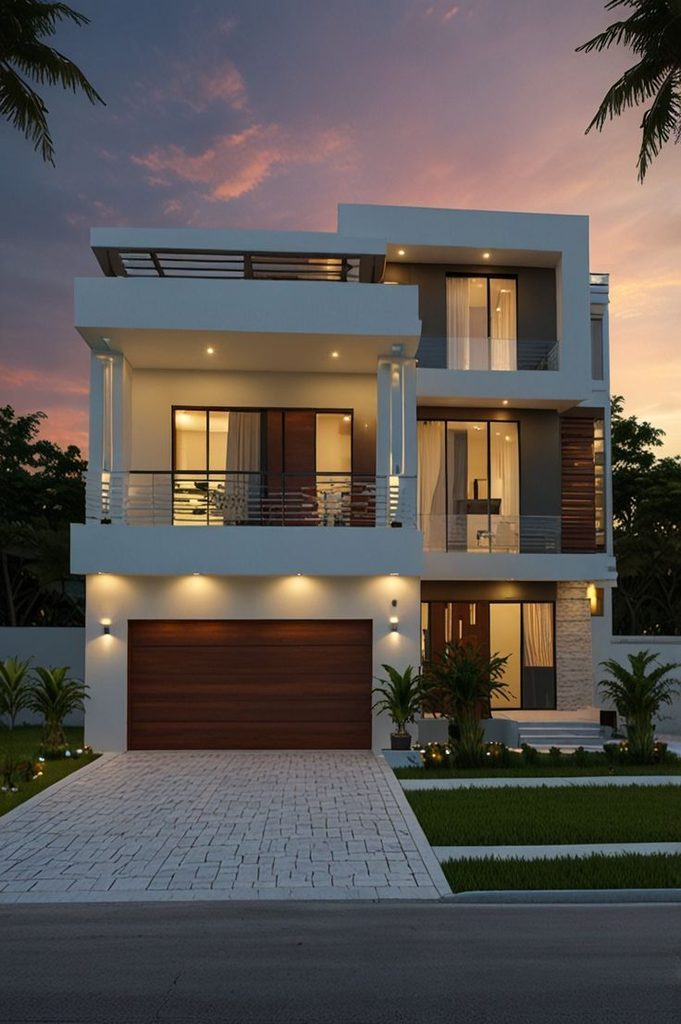
Community is another area where apartments hold the edge. Standalone houses can sometimes breed isolation behind high fences, whereas apartment complexes are designed to bring people together. Elegant lobbies, landscaped courtyards, and communal barbecue areas all serve as natural gathering spots for neighbors. Many modern developments also plan social programming on purpose, from organized fitness classes and book clubs to holiday celebrations and community networking events. The varied mix of residents creates an inclusive setting that encourages genuine connections, mutual respect, and a deep sense of belonging.
Security completes the picture, and for today’s homeowners it is non-negotiable. Traditional houses need individual security systems, which are often expensive to install, and they remain exposed to breaches along the perimeter. Apartment complexes build institutional-grade security architecture in as a standard feature. Typical multi-layered protocols include secure electronic fob access, high-definition CCTV surveillance across common areas, and secure basement parking, with onsite concierge or security personnel in many cases. Together, these measures create a safe, controlled environment and real peace of mind, whether residents are at home or away on a trip.
Readers who want to explore high-performing property opportunities, or who want guidance in choosing a high-yield urban residence that fits their lifestyle and financial goals, can contact the expert advisory team behind the original material for the next step.
To sum up, price, location, amenities, low upkeep, community, and security all point the same way, and apartments now deliver much of what many buyers once expected only from a house. The price gap between the two keeps widening, and that leaves a decision worth weighing carefully before anyone commits.
If this breakdown helped you sort through the options, tap the subscribe button so the next one finds its way to you. Give the video a like if it earned it, and switch on the notification bell so the latest updates reach you the moment they go live.”