
Clearing gutters, patching a roof, servicing an HVAC unit, mowing a sprawling lawn: for the owner of a detached house, chores like these can swallow entire weekends.
A real estate strategist and property acquisition consultant with ten years of experience advising buyers says that burden is one reason the suburban house deserves less automatic loyalty than it gets. His bottom-line message is blunt: “Stop paying your landlord’s mortgage and start building your own equity.”
The advice challenges a common assumption. Many American buyers see the choice between a suburban house and a city condo as already decided in favor of the house. He calls that assumption frequently mistaken. Under current U.S. economic conditions, he argues, an apartment may be the most flexible and financially sound purchase available to a modern buyer.
His case begins with the American dream, which has changed form. Fast-moving urbanization, rising prices for suburban single-family homes, and new lifestyle priorities have all played a part. For a buyer seeking a primary residence, or one building a real estate investment portfolio, he says a multi-family or high-rise unit brings a level of financial leverage that few other property types can match. He sees the returns landing in three places: asset building, wealth preservation, and day-to-day quality of life. He takes the factors one at a time.
Start with upkeep, where he says the two housing types part ways most sharply. Owning a detached house, in his view, amounts to a relentless part-time job, and a surprise capital expense can reach into the thousands of dollars. In an apartment building, a professional Homeowners Association, or HOA, or a property management team carries that operational load. Roof replacements, exterior painting, structural repairs, and landscaping are handled collectively and funded through monthly dues.
He concedes that HOA fees are a real cost. But they let owners budget for maintenance on a predictable schedule, rather than absorbing a sudden five-figure plumbing or roof emergency. For busy entrepreneurs, remote executives, and frequent travelers, he says this “lock-and-leave” arrangement delivers ultimate peace of mind. The home works for the owner, not the other way around.
Price is the second factor, and it weighs on the whole U.S. market. In major metropolitan hubs, a large share of the population cannot reach a detached single-family home at all. He regards an apartment as a much more accessible route into ownership. Both its price per square foot and its total acquisition cost sit well below those of a detached house, which means a smaller down payment and lower closing costs.
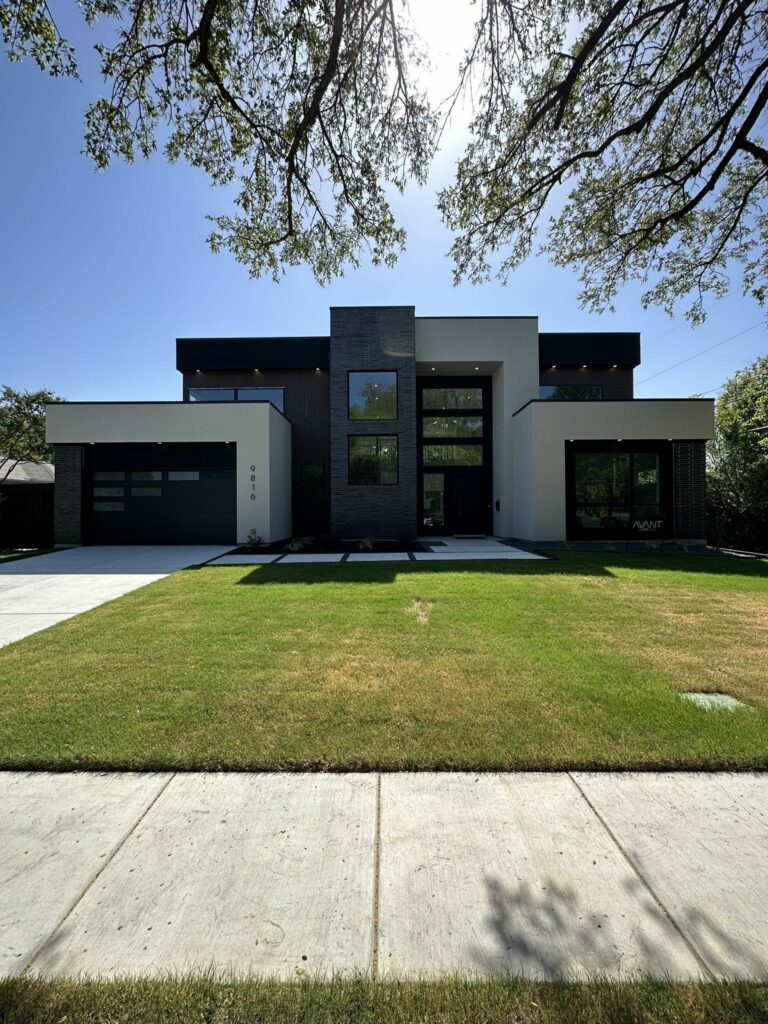
Two practical effects follow. A smaller principal produces smaller monthly mortgage payments, and that protects the buyer’s debt-to-income ratio, known as DTI. First-time buyers, meanwhile, need not spend a decade saving 20% for a million-dollar suburban home, so they can begin building home equity years earlier. The consultant puts it in market terms: in wealth-building, time in the market beats timing the market. A buyer who enters early through an apartment puts capital to work ahead of peers who held back.
Location comes next, and he calls it the single most Important driver of long-term property appreciation. Single-family homes in prime downtown districts or fashionable urban cores are scarce and prohibitively expensive. Apartments and condominiums, by design, rise exactly where daily life happens, which places an owner at the center of the city’s activity.
He names two benefits of living there. Residents can walk to corporate hubs, tech incubators, and financial districts, which spares them the hours that punishing daily highway traffic would consume. They also gain Immediate access to rapid transit systems, metro lines, and bike-sharing networks, along with world-class culinary and entertainment scenes. He says this convenience lifts everyday happiness by returning free time to residents, and it gives the unit’s resale value a durable economic buffer. Urban land is limited, and convenience is a commodity that never loses its worth.
Security and community round out the lifestyle argument. He describes safety as a top priority for modern urbanites. A standalone house often requires costly, piecemeal security installations and constant vigilance from its owner. Modern apartment buildings and gated communities are instead engineered from the ground up with layered security infrastructure. Key fob entry systems, secure underground parking garages, and 24/7 video surveillance control who comes in. On-site personnel, including front-desk concierges and dedicated security staff, vet visitors and handle package deliveries safely.
Social cohesion also comes with very little effort. Rooftop lounges, fitness centers, co-working spaces, and courtyards give residents natural openings to network and build relationships with their neighbors. For someone new to a city, he says, that built-in community is an invaluable social anchor.
Amenities add a further layer of value. A private backyard oasis with an Olympic-sized swimming pool, a fully equipped commercial-grade gym, a sauna, and a rooftop terrace would cost hundreds of thousands of dollars on a private residential lot. In an apartment building, residents share those luxury features among themselves. Owners enjoy a five-star lifestyle at a fraction of the price, pairing affordability with uncompromised daily comfort.

The investment side of his case rests on appreciation and stability. Real estate has historically ranked among the most reliable hedges against inflation, and well-managed apartments in thriving job markets, he says, show robust capital appreciation over 5-to-10-year horizons. Potential buyers include Gen Z professionals, young couples, and downsizing empty nesters, so the pool of future purchasers stays perpetually deep. With liquidity that strong, an owner looking to exit or upsize can expect competitive market attention. Urban infill policies also restrict new high-density construction, which shields the investment from oversupply.
For buyers whose long-term wealth strategy centers on a robust real estate investment portfolio, the consultant calls apartments the holy grail of passive income generation. Rental demand is high, since professionals and young families increasingly prefer to rent or buy low-maintenance urban spaces over commuting from distant suburbs. Owners can hire local property management firms to handle tenant screening, rent collection, and maintenance calls, which turns the apartment into a truly hands-off income stream. Whether the owner picks a long-term traditional lease or corporate housing, the apartment works as a reliable cash-flow engine.
His final argument is environmental. Modern real estate development puts heavy emphasis on environmental efficiency, and today’s apartment complexes incorporate green building certifications, solar panels, high-performance double-pane windows, smart thermostats, and centralized waste recycling programs. Shared structural walls and efficient utility grids give apartment dwellers a naturally smaller carbon footprint than people who heat and cool sprawling standalone houses. Sustainable living is no longer only a moral choice, he notes, because energy-efficient buildings also translate directly into lower monthly utility bills.
Navigating today’s dynamic property market, in his view, requires a strategic balance of lifestyle fulfillment and sound financial foresight. Buying an apartment delivers both, he says, through lower barriers to entry, prime urban convenience, minimal maintenance, and strong long-term appreciation. His recommended next step is a one-on-one portfolio consultation with the expert team, who can explore hand-picked apartment opportunities tailored to your financial goals.
Taken together, his argument rests on five advantages: lower entry cost, a better location, less upkeep, stronger security, and steady appreciation. For anyone weighing a suburban house against a city condo, the open question is which of those five matters most to their own financial future.
If this report gave you something useful, subscribe to the channel so the next one comes straight to you. Hit the like button to help more viewers find it, and turn on the notification bell so the latest stories reach you the moment they are posted.”