
Buying an apartment is two purchases at once.
You are acquiring a home, and you are also joining a group of owners who share a single building. That dual role carries financial and legal consequences that call for closer examination than old assumptions about housing usually allow.
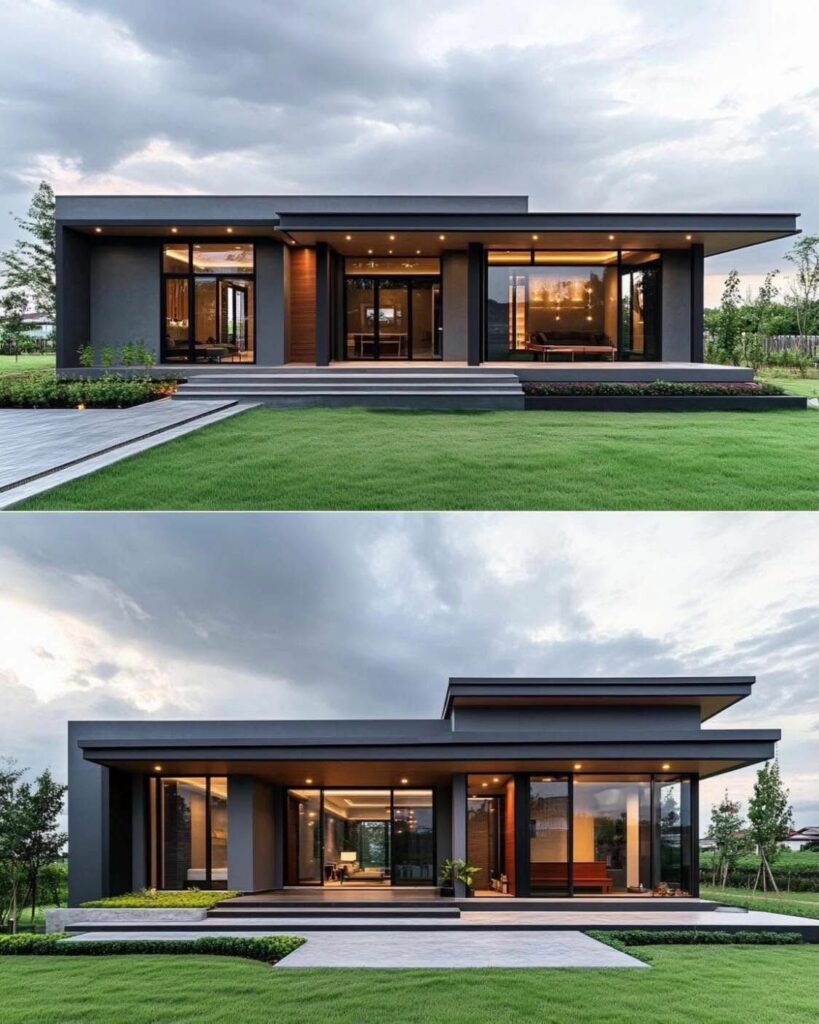
Those assumptions run deep. For generations, the ideal home was a detached house with a white picket fence, and next to that Image an apartment looked like a compromise, a lesser version of the “dream home.” One real estate professional, with more than ten years of experience guiding buyers through urban markets, says attitudes have shifted sharply in that time. Cities are growing denser and housing costs keep changing, and metropolitan condominiums and high-rise flats have become far more popular as a result.
For anyone weighing a high-rise flat or an urban property investment, the first step is to put those myths aside. What follows covers the benefits, the less visible complications, and the checks to run before your signature goes on a contract.
Start with the benefits. On their merits, multi-family homes offer lifestyle and financial advantages that a traditional suburban house cannot match. There are six.
The first is affordability. For urban professionals and first-time buyers, high-rise flats and condominiums are a far more realistic way into the property market. Prices for standalone houses in major metropolitan areas have skyrocketed, so an apartment needs a considerably smaller mortgage and a lower down payment. That easier entry lets younger buyers stop paying dead rent, step onto the housing ladder years sooner, and begin building long-term home equity in prime city locations.
The second is low-maintenance living. Owning an apartment sharply reduces the burden of upkeep. Smaller interiors mean less cleaning across multiple rooms, and the weekend chores of mowing wide lawns and scraping peeling paint off a fence vanish entirely. Exterior cleaning, roof repairs, and hallway upkeep fall to the homeowners association (HOA), also known as the body corporate. Busy professionals, and retirees who want a lock-and-leave lifestyle, will find that freedom invaluable.
The third is smart use of space. For single professionals and young couples, modern apartment layouts put interior architecture on display. They deliver comfortable living areas without wasted square footage or the cleaning load of a sprawling property. Developers now rely on clever storage solutions, open-plan kitchens, and multi-functional rooms so that every square foot earns its place, producing cozy, practical homes built for a streamlined way of living.
The fourth is resort-style community amenities. Modern multi-family complexes often include upscale shared facilities that would cost a fortune to build and maintain on a private lot. Typical examples are fully equipped fitness centers, rooftop terraces, secure underground parking, courtyard gardens, and swimming pools. These features enrich daily life by placing leisure, health, and social opportunities a few steps from the front door.
The fifth is stronger building security. Safety ranks high among city residents’ concerns, and most apartment developments respond with layered protections: keycard-controlled elevators, intercom systems, round-the-clock CCTV surveillance, and gated entry points. That added protection brings unmatched peace of mind, which makes an apartment a fitting choice for people who live alone and for frequent travelers who lock up and leave for weeks at a time.
The sixth is a prime urban location. Location is everything in real estate, and apartments dominate city centers. A flat in the urban core puts you within walking distance of corporate hubs, gourmet restaurants, cultural venues, and rapid transit lines. Shorter commutes mean more free time and lower fuel costs, along with a lifestyle tied closely to the pulse of the city.
However appealing that lifestyle may be, buying shared property brings legal and structural subtleties that demand thorough due diligence. Seven factors deserve careful analysis before any purchase.
The first is your unit title and ownership boundaries. Apartments are typically sold under a unit title structure, which means you own your particular dwelling plus a fractional share of the common property. Auxiliary assets such as storage lockers or vehicle parking stalls, however, may be deeded separately or may require individual purchase agreements. Confirm exactly which physical boundaries and assets your title contract covers.
The second is what body corporate or HOA membership involves. The moment you buy a unit, you become a dues-paying member of the building’s management association. Your monthly or annual fees pay for building insurance, on-site management, and trash removal, and they also feed the capital reserve accounts. Before making an offer, you must review the association’s financial health, its management history, and the budgets for upcoming projects.
The third is long-term maintenance planning. A healthy capital reserve fund is the heartbeat of a well-managed building. The long-term maintenance plan and past meeting minutes show whether management acts early or has a record of deferred repairs. Strong reserves shield owners from sudden, costly special levies when major overhauls come due.

The fourth is a full review of the property insurance. Make sure the building carries comprehensive master insurance coverage, and verify that the management association is current on all its financial accounts. Just as Important, confirm that the development has no pending litigation, structural defects, or past weathertightness problems.
The fifth is the building rules, bylaws, and restrictions. Associations operate under bylaws that govern how owners may use their property. Those rules can cover pet ownership, noise curfews, short-term rental allowances, and balcony modifications. Study them closely to be sure they fit both your personal lifestyle and your long-term financial goals.
The sixth is community culture and soundproofing. Living close to neighbors takes a degree of tolerance. Before buying, check the acoustic engineering and soundproofing quality of the building. Visit the complex at different times of day, such as a bustling Friday evening and a quiet Sunday morning, to gauge ambient noise levels and get a sense of who lives there.
The seventh is the age and construction quality of the building. New developments and historic buildings each carry their own risk profiles. Newer construction offers modern aesthetics and energy-efficient systems but can occasionally conceal construction flaws. Older buildings have a proven structural track record but may need more frequent updates. Hiring an independent building inspector who specializes in multi-unit properties is always a wise investment.
Taken together, the picture is clear. An apartment can serve as a powerful financial stepping stone, provided the buyer weighs the shared responsibilities against the freedom the lifestyle offers. For someone who wants to skip weekend yard work, secure a prime metropolitan address, and build equity efficiently, it may well be the smartest real estate move available.
Ultimately, the decision comes down to a simple balance between what a shared building gives you and what it asks of you. Place the lower entry cost, the security, and the location on one side, and the dues, the bylaws, and the building’s condition on the other, and the right answer for your situation comes into focus. An apartment is both a home and a membership, and the buyers who do well are the ones who read the fine print on both.
If this breakdown helped, tap the subscribe button so the next one finds you right away. A like on the video helps it reach other buyers sizing up the same decision, and switching on the notification bell puts fresh updates in your feed the moment they go live.”